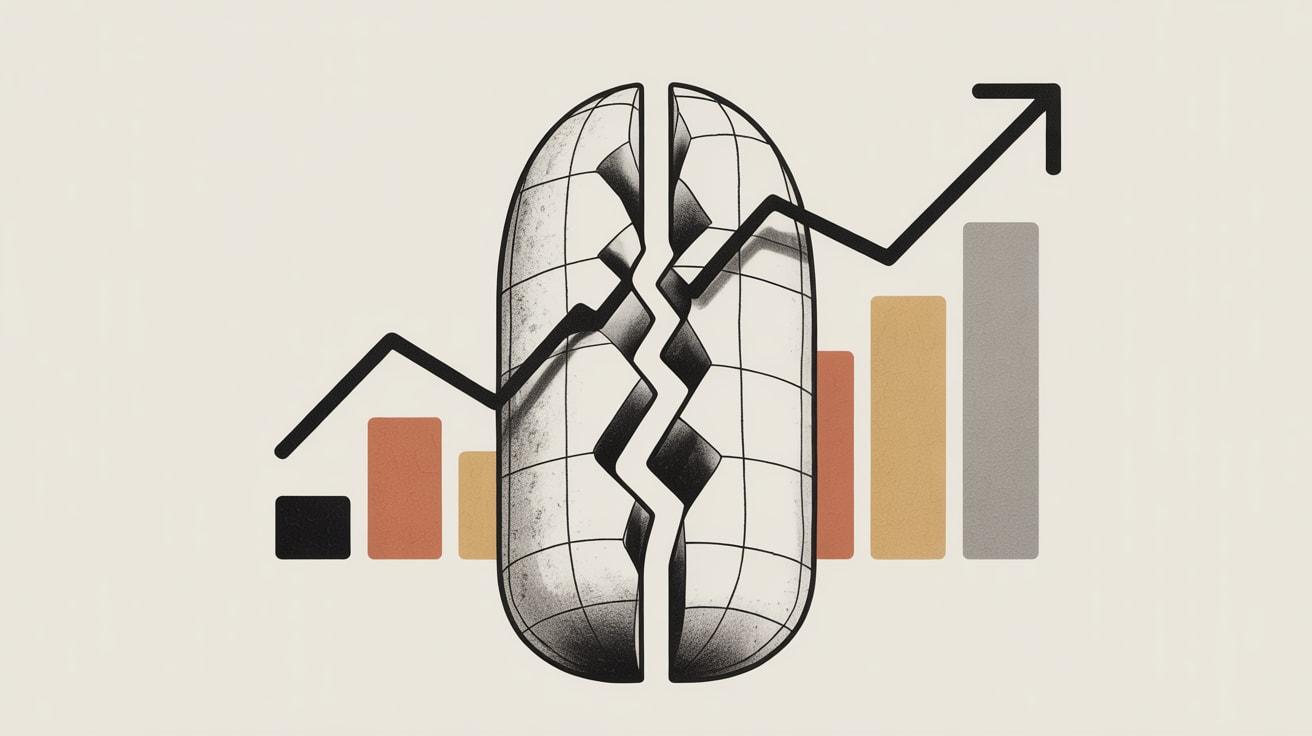
Why Perfect Design Is Quietly Killing Conversion Rates
Precision in UX design often undermines business outcomes. Here's why embracing strategic imperfection drives better conversion, accessibility, and revenue.

Why Your CEP Data Architecture Is Lying to You
Most CEP stacks look clean in decks and messy in production. Here's how to build data architecture that actually drives real-time, context-aware engagement.
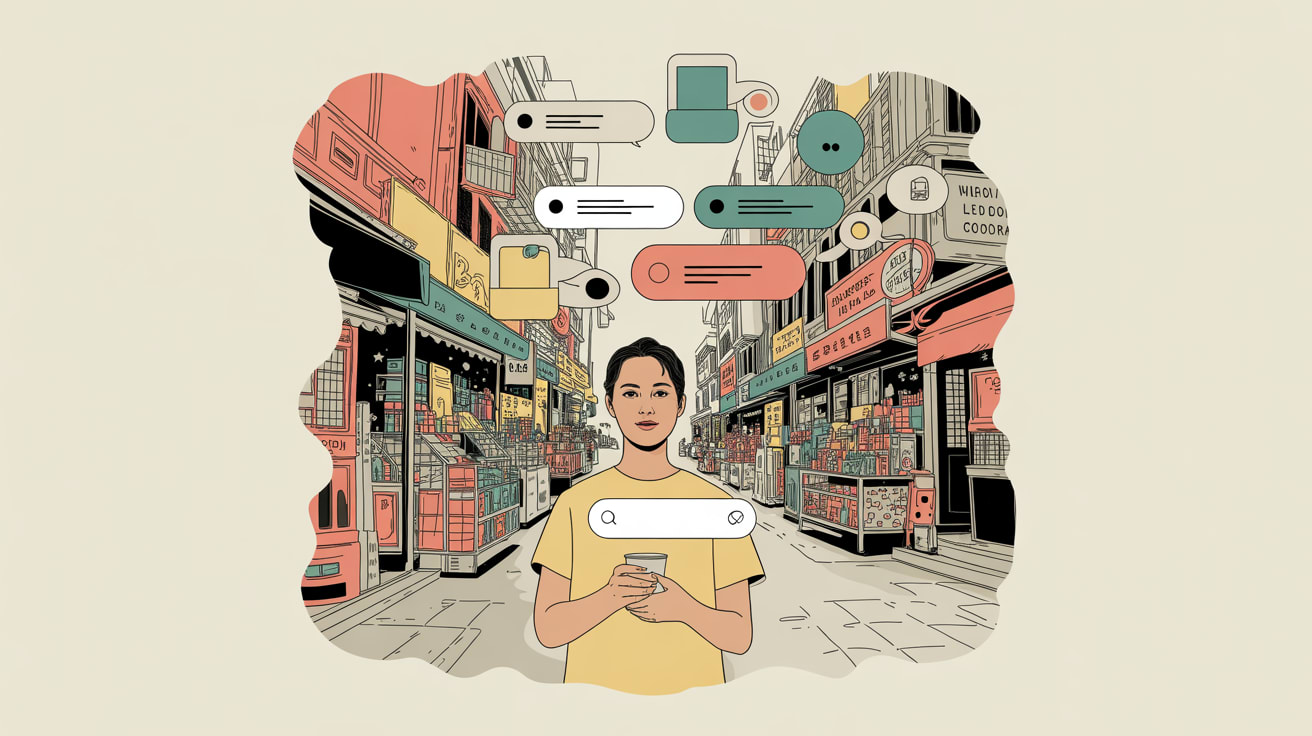
AI Product Discovery Is Reshaping SEA's Purchase Funnel
ChatGPT's Shopping feature is changing how buyers find brands. Here's what SEA marketers need to do now to stay visible in AI-driven discovery.
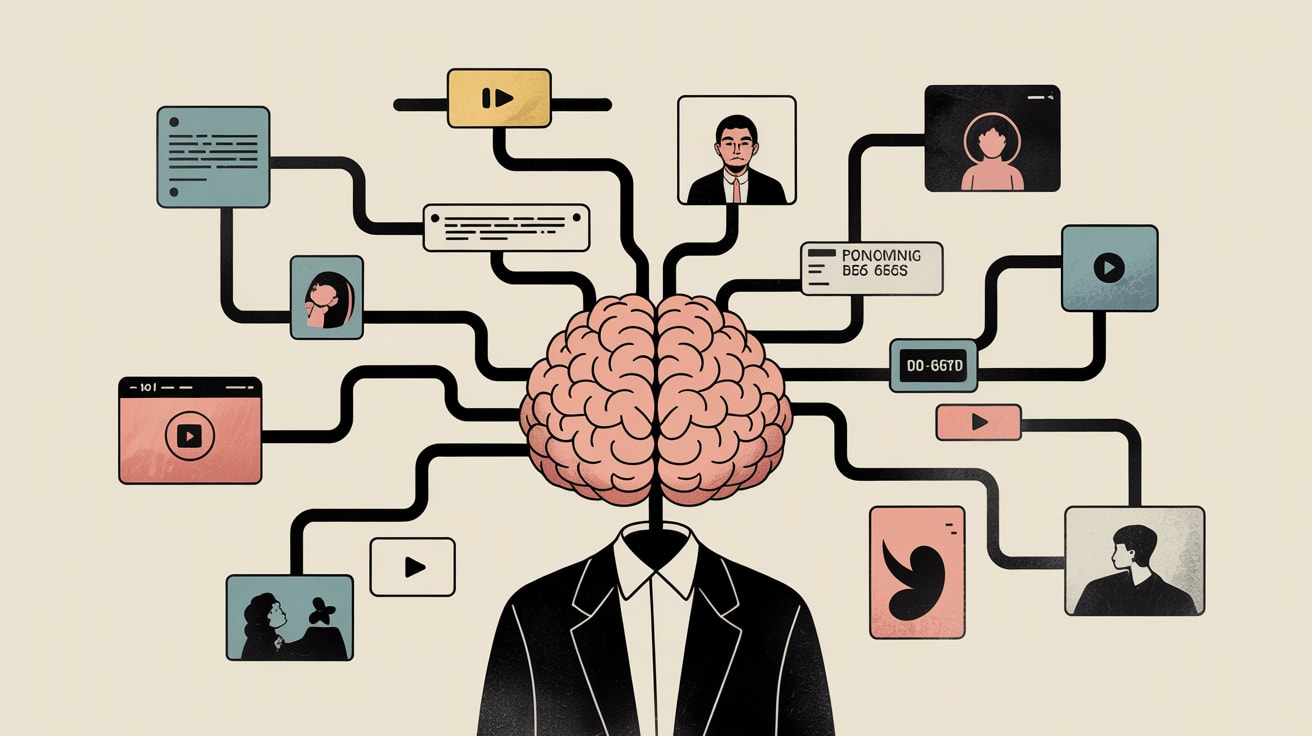
AI in Marketing: Why Intelligence Beats Generation in 2026
The smartest AI use cases in marketing aren't about content creation. Here's why intelligence-first AI strategy drives better outcomes for SEA brands.
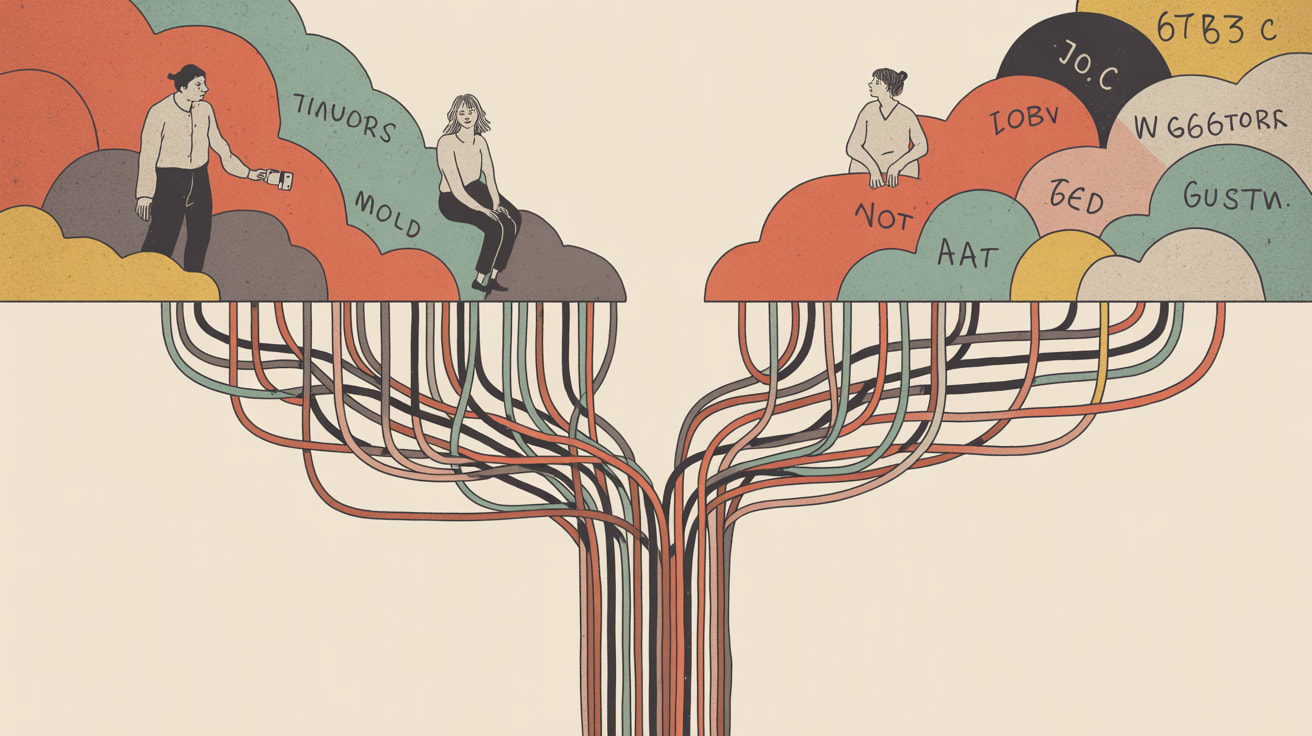
Why Your CEP Is Lying to You About Zero-Value Customers
Most engagement platforms misread silent customers as disengaged. Two-stage hurdle models fix that — and change who you target and when.

Why Human-Touch Design Still Wins in an AI-First World
AI tools dominate design workflows, but the brands winning in SEA are those preserving deliberate imperfection. Here's what that means strategically.
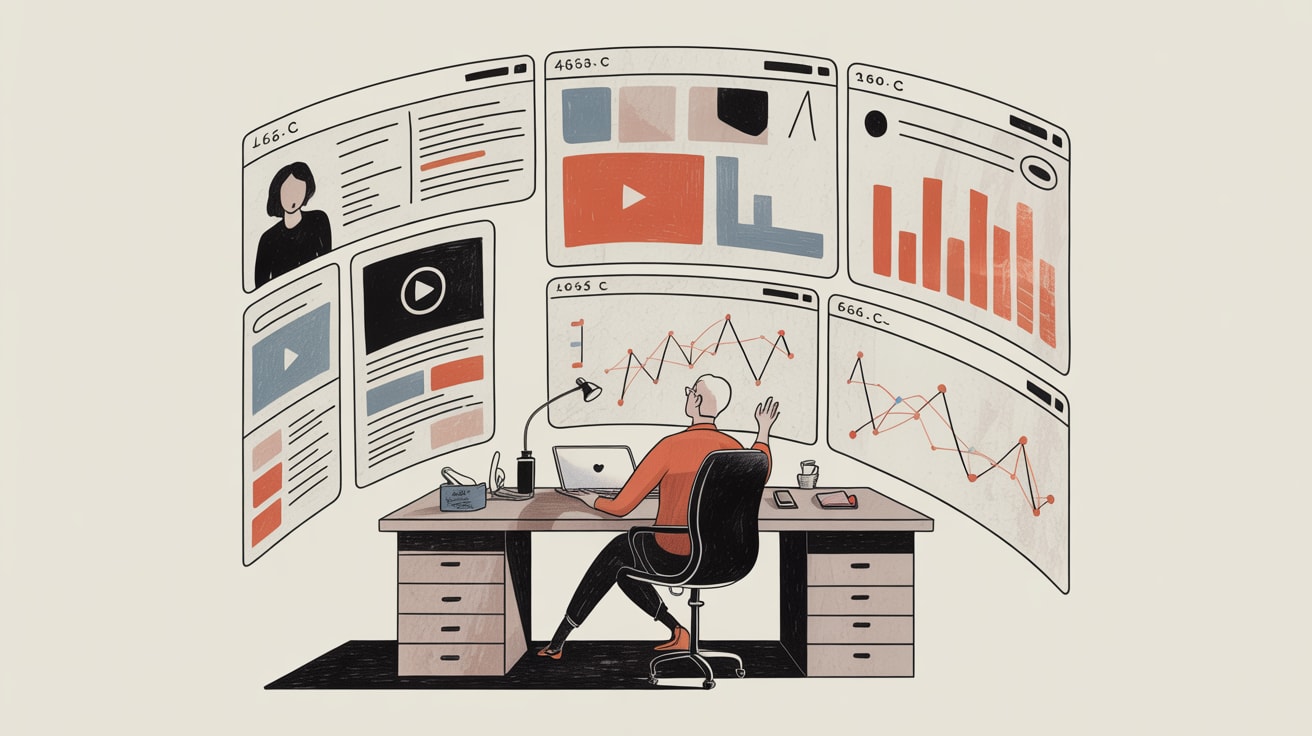
Social Media Strategy in 2026: What the Data Actually Says
Sprout's 2026 pulse survey reveals a social media landscape reshaped by intentional consumption and episodic content. Here's what it means for your strategy.

Contextual Segmentation: First-Party Data's Missing Layer
Clicks don't explain customers — context does. Here's how first-party data programmes can fold contextual segmentation into compliant, high-signal activation.

Spectral Clustering: The CDP Segmentation Upgrade You Need
K-means is costing your CDP its edge. Here's why spectral clustering reveals customer segments your current model can't see — and what to do about it.

Local SEO in 2026: Why Zero-Click Is a Local Opportunity
Zero-click search is reshaping local SEO. Here's how SEA brands can turn answer engine results into foot traffic and real revenue.

First-Party Data Strategy: Build Trust Before You Build Segments
First-party data only delivers competitive advantage when customers choose to share it. Here's how to design programmes that earn that choice in SEA markets.
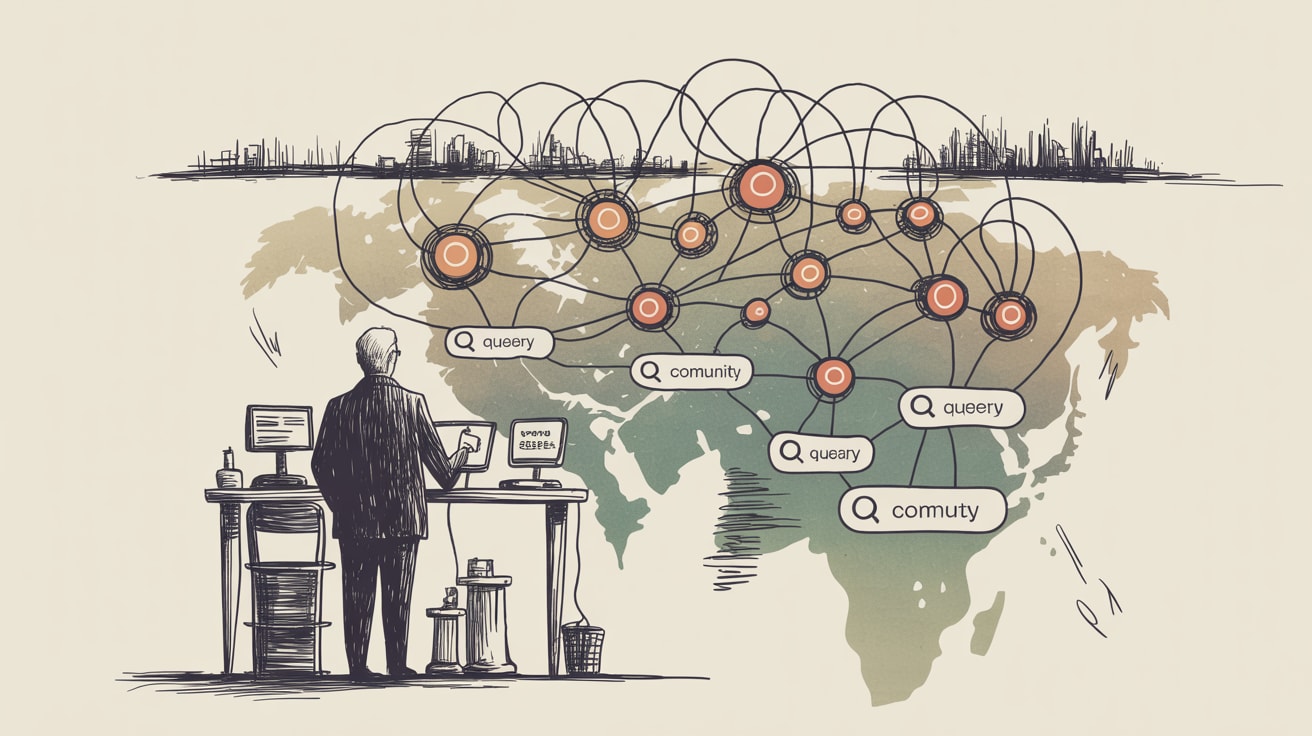
Community Marketing Cuts CAC While AEO Reshapes Discovery
Community marketing slashes CAC while answer engine optimisation rewires search. Here's how SEA growth teams should respond to both shifts in 2026.
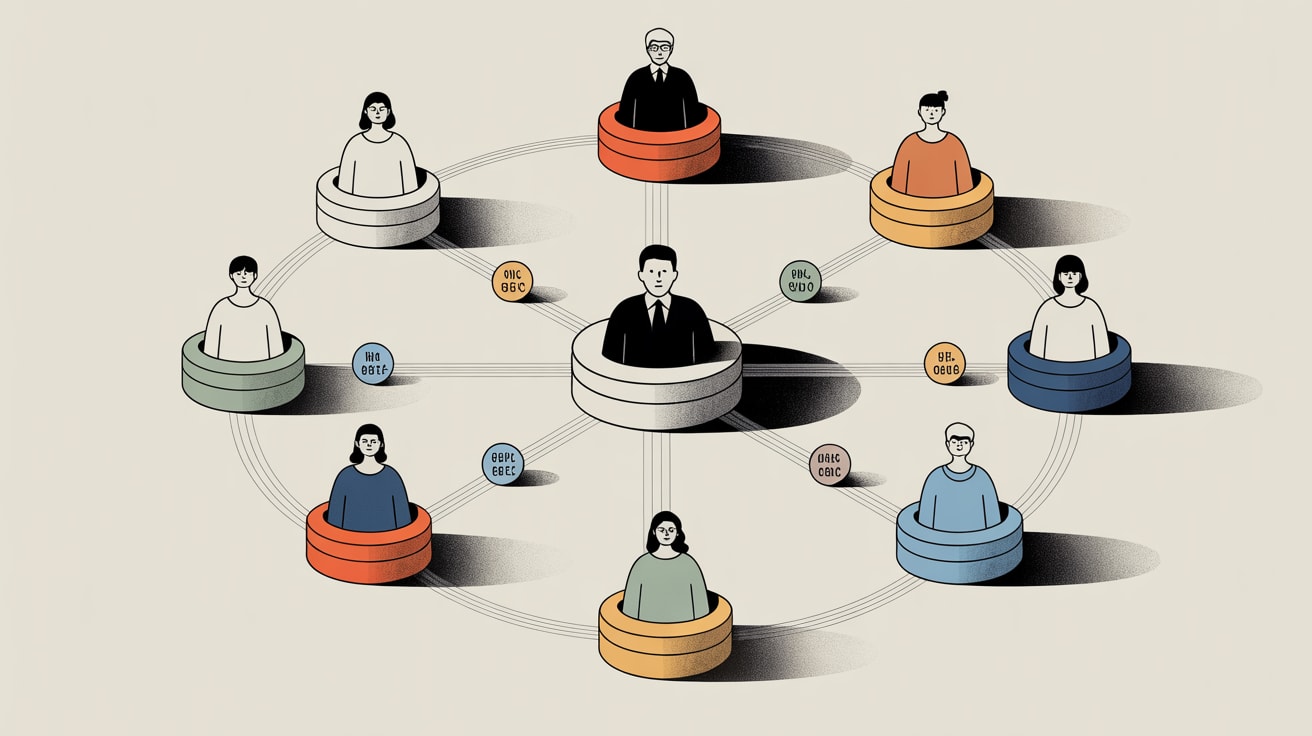
First-Party Data Strategy: Building Trust That Converts
First-party data isn't just a privacy workaround — it's a growth asset. Here's how SEA brands can build programmes that earn consent and drive revenue.
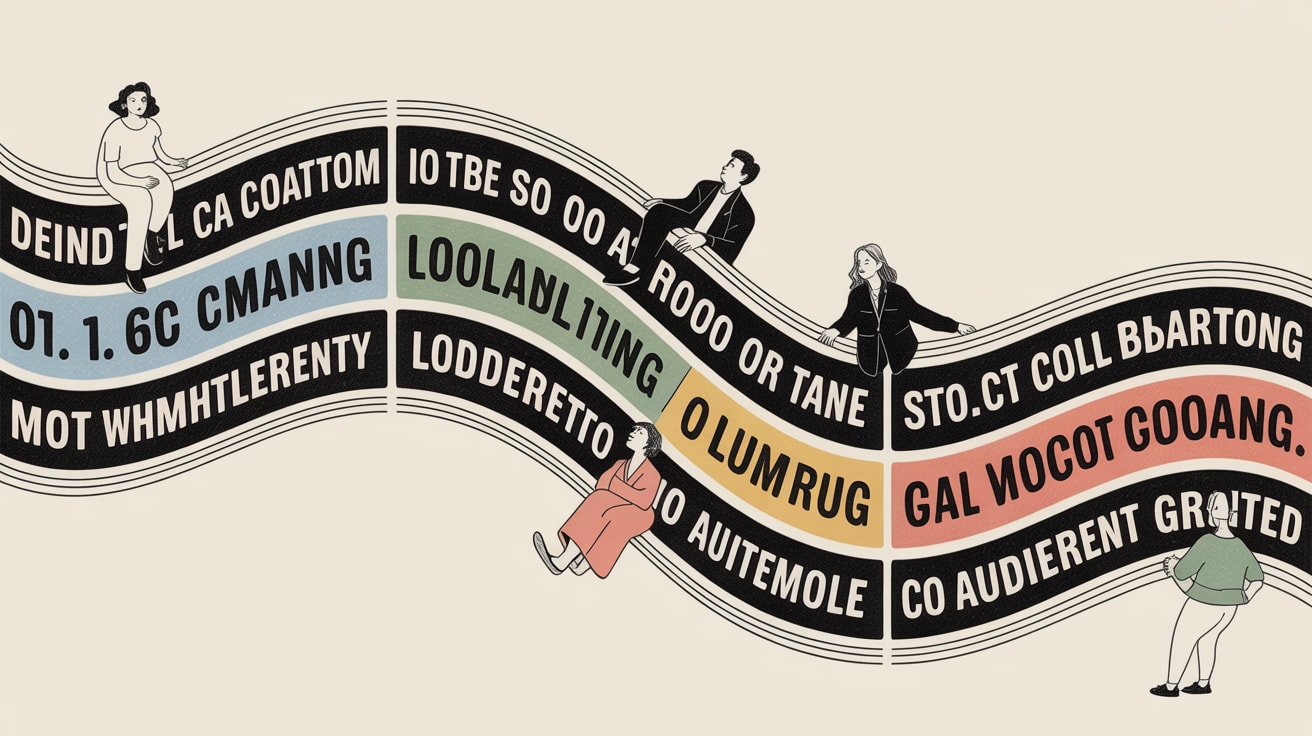
Variable Discretization: Sharper Audience Segments
Variable discretization turns messy continuous data into actionable audience segments. Here's how to apply it for smarter data activation in SEA markets.
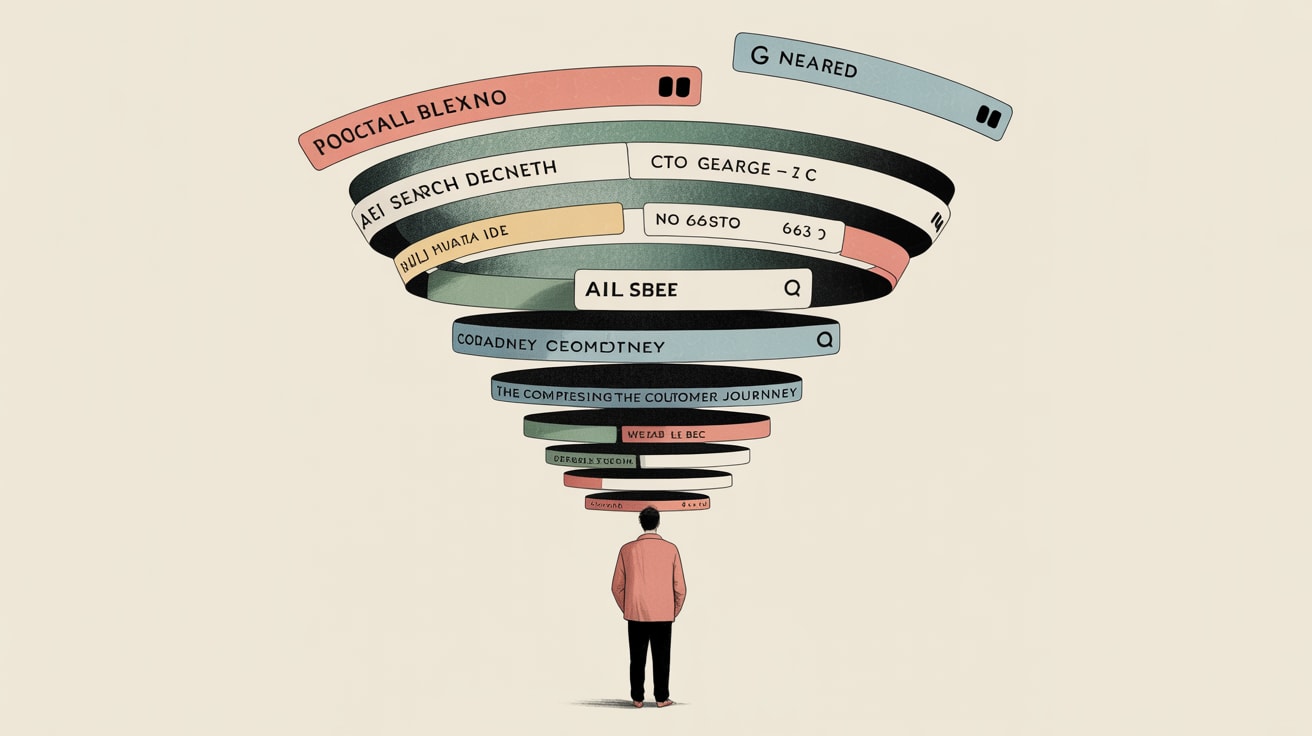
AI Search Is Compressing the Customer Journey — Now What?
AI search is collapsing the customer decision journey into seconds. Here's what SEA marketing teams must rethink about SEO and content strategy now.

First-Party Data Strategy That Builds Trust, Not Just Profiles
First-party data isn't just a privacy workaround — it's a growth asset. Here's how SEA brands can build programmes that earn consent and deliver value.

First-Party Data Strategy: From Compliance to Competitive Edge
First-party data isn't just a privacy workaround. Here's how SEA brands can build consent-led data programmes that actually drive growth.
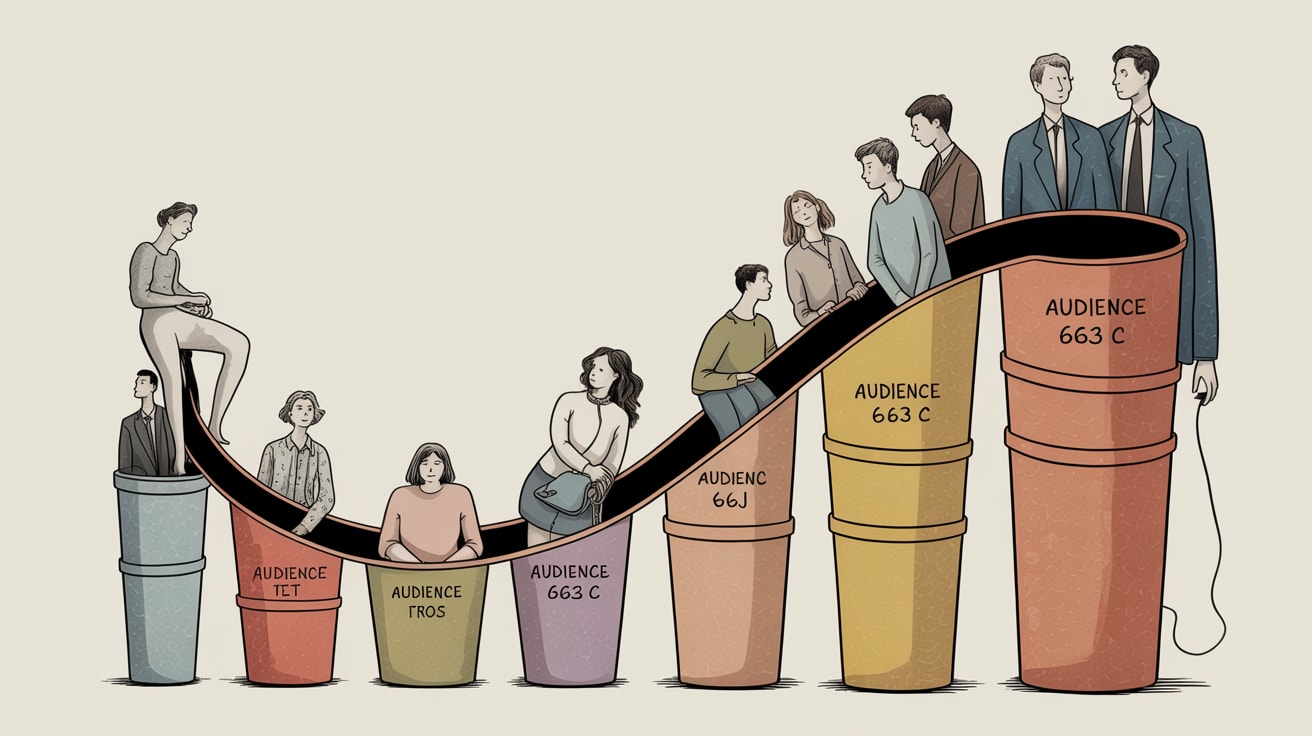
Variable Discretization: The Data Activation Edge in SEA
Variable discretization turns messy continuous data into actionable audience segments. Here's how SEA growth teams can use it to drive smarter campaign decisioning.
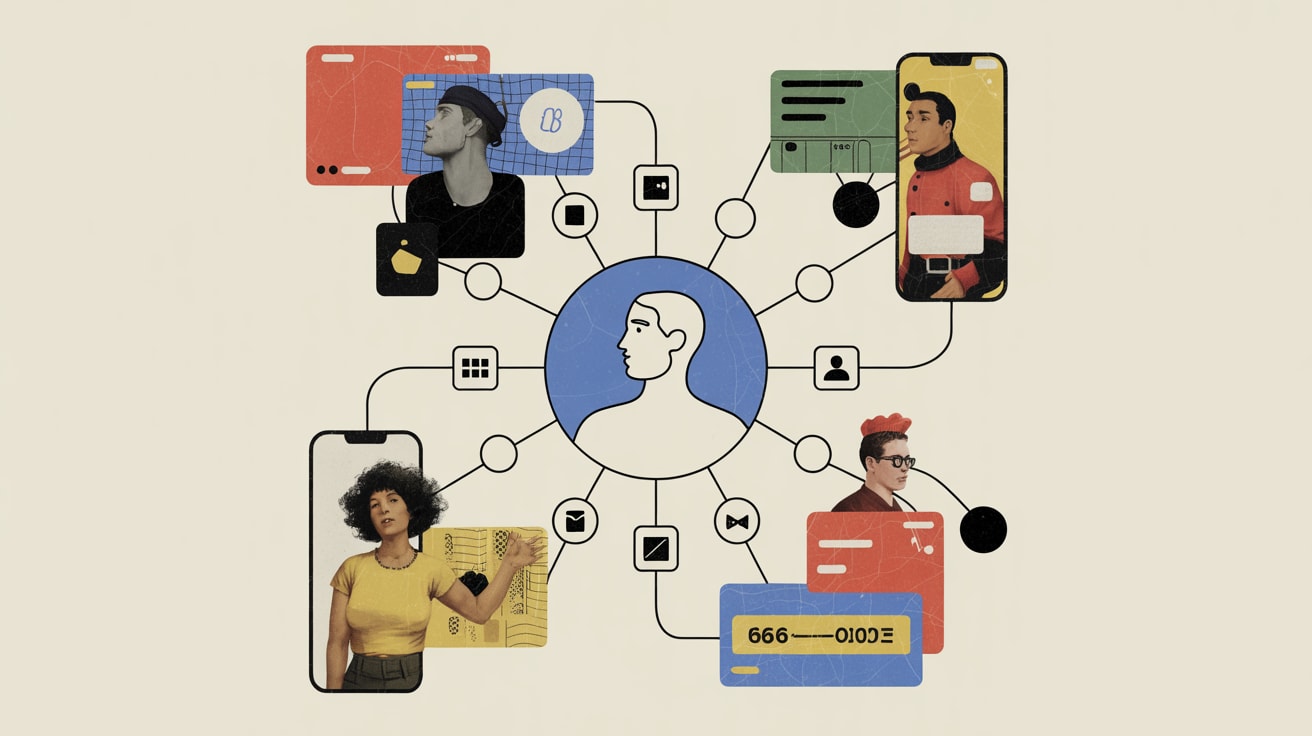
First-Party Data Strategy: Building a CDP That Earns Its Keep
Most CDPs in SEA collect data but never activate it. Here's how to architect a first-party data strategy that actually drives revenue.

First-Party Data Strategy: Building a CDP That Earns Its Keep
First-party data is only as valuable as the CDP architecture behind it. Here's how SEA brands can build unified customer profiles that actually drive revenue.