
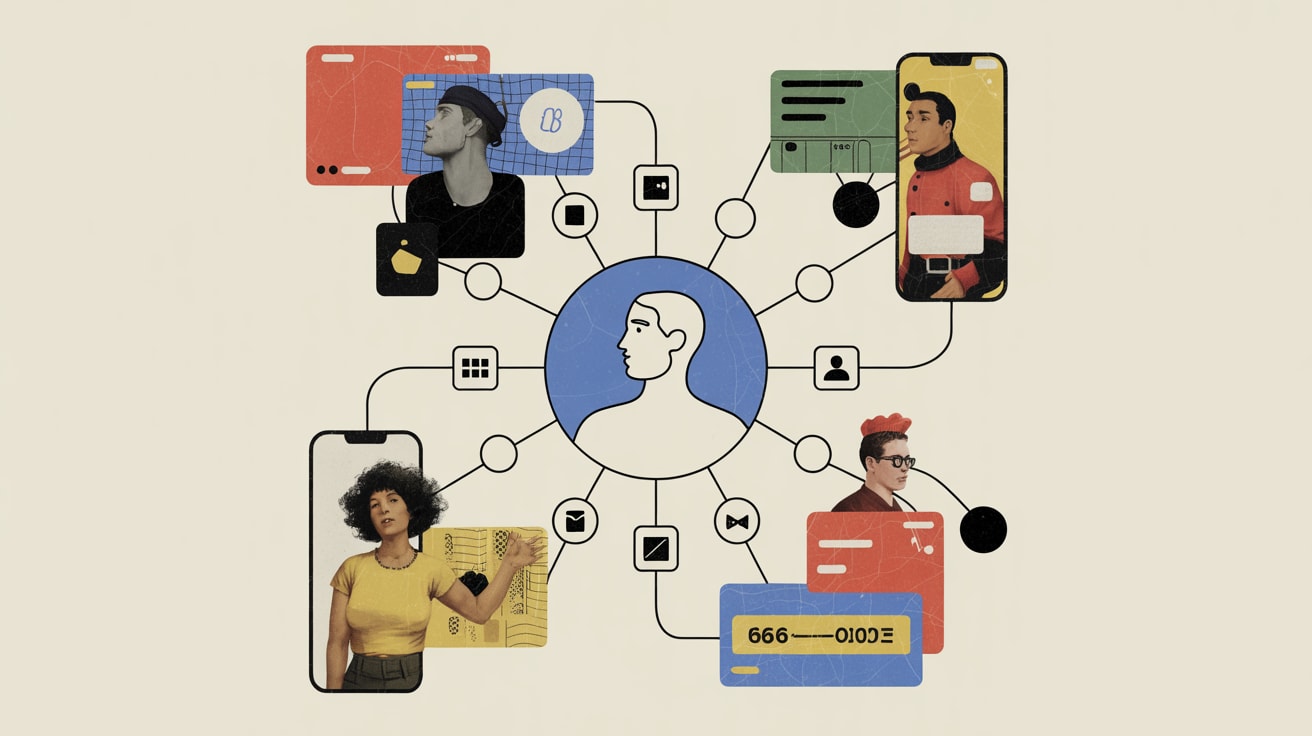
Most CDPs in SEA collect data but never activate it. Here's how to architect a first-party data strategy that actually drives revenue.
Across Southeast Asia, brands are sitting on more customer data than ever — and making worse decisions with it. The CDP market in the region grew sharply through 2023–2025, yet a consistent pattern emerges in audits: platforms are implemented, data flows in, and then… it mostly sits there. Unified profiles gather dust while campaign teams still pull last-click attribution reports and call it personalisation. The first-party data strategy problem isn’t technical. It’s architectural — and it starts with what you decide a customer profile is actually for.
Why Most CDPs in SEA Fail the Activation Test
The standard CDP pitch sells the dream of a single customer view stitched from behavioural, transactional, and declared data. The reality in most deployments is a cleaner data warehouse with a prettier UI. The core failure isn’t the platform — it’s the absence of a deliberate activation logic connecting profile completeness to downstream decisions.
In SEA markets specifically, the data fragmentation problem runs deeper than in Western deployments. A Thai consumer might browse on a Lazada app, transact via LINE Shopping, engage with a brand’s TikTok content, and redeem loyalty points in-store — four touchpoints, potentially four identity graphs, zero reconciliation. Without a resolution layer that handles anonymous-to-known identity stitching across these ecosystems, the CDP profile is structurally incomplete before a single campaign fires.
Brands that get this right — Grab’s merchant marketing platform is a useful reference — build identity resolution as a first-class infrastructure problem, not an afterthought. The result is profiles that can inform real-time bid adjustments, personalised push notifications, and next-best-offer logic simultaneously.
Declared Data Is Your Highest-Yield Asset — If You Ask Right
Behavioural and transactional data tell you what a customer did. Declared data — preferences, intentions, stated needs — tells you what they’re trying to accomplish. The gap between those two things is where most personalisation falls flat.
A CustomerThink analysis by Sharon-Drew Morgen makes a pointed observation: the instinct to persuade customers is often counterproductive when what they actually need is help structuring a decision. The same principle applies to data collection. Progressive profiling that helps customers articulate their preferences — rather than inference engines guessing at intent — produces richer, more accurate profiles and, meaningfully, higher consent rates.
In practice, this looks like Shopee’s onboarding flows that surface category preferences explicitly, or insurance brands in the Philippines using post-quote questionnaires to capture life-stage signals. The declared data layer doesn’t just improve targeting — it shifts the customer relationship from surveillance to dialogue. That distinction matters increasingly as SEA regulators move toward PDPA-style frameworks across Thailand, Vietnam, and Indonesia.
The CEP Layer: Where Profiles Become Revenue
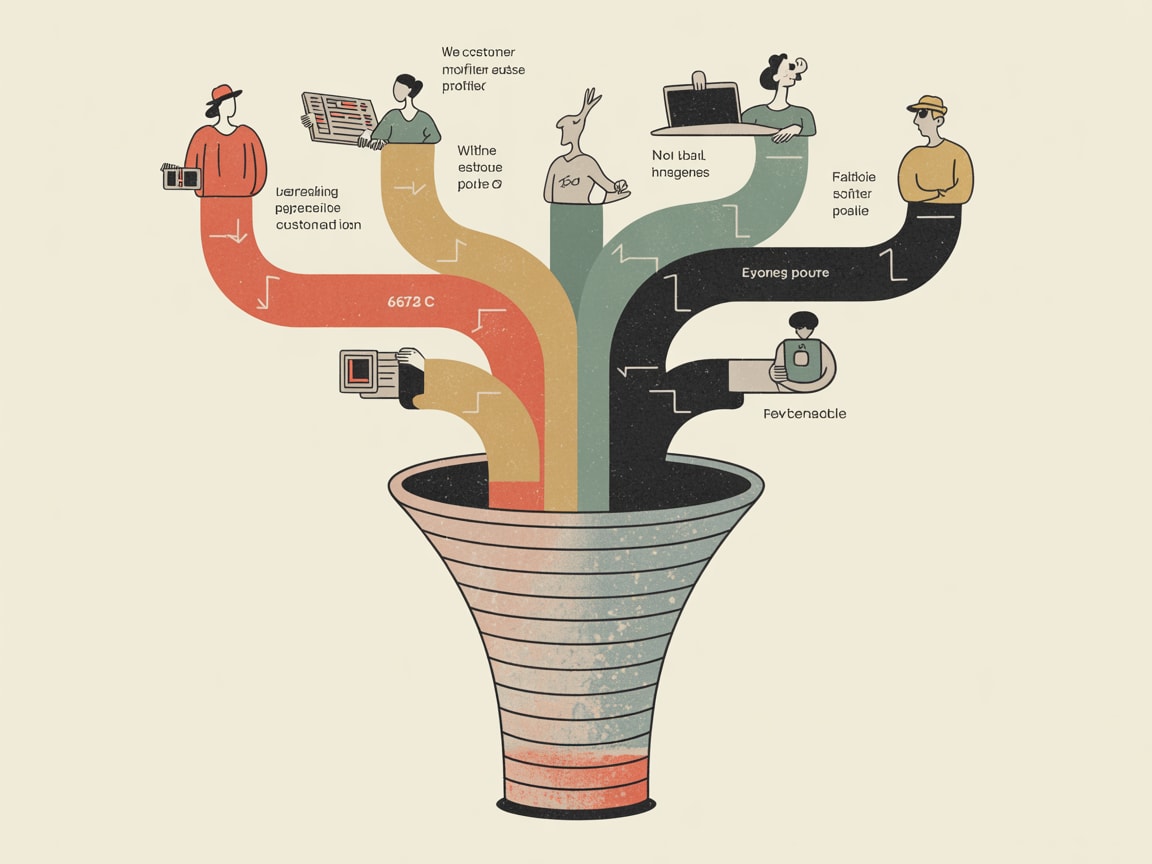
A Customer Engagement Platform sits downstream of the CDP and is where the economics of first-party data actually materialise. The CDP resolves identity and builds the profile. The CEP operationalises it — orchestrating the right message, on the right channel, at a moment when the customer is actually receptive.
The omnichannel dimension here is non-trivial in SEA. Channel saturation is real: LINE remains dominant in Thailand, WhatsApp drives conversions in Malaysia and Indonesia, Zalo is the engagement layer for Vietnamese consumers, and in-app messaging on super-apps like GrabPay or TrueMoney Wallet reaches segments that email never will. An effective CEP strategy maps profile signals to channel affinity — not just content personalisation, but where and when to engage based on demonstrated behaviour.
Central Retail’s loyalty ecosystem in Thailand offers a useful case study in scaled CEP logic: unified profiles across Central Department Store, Supersports, and Power Buy enable cross-brand trigger campaigns that consistently outperform single-brand retargeting by a margin that justifies the integration complexity. The technical lift was significant. The revenue case was clear.
Building the Business Case: Metrics That Matter to the CFO
CDP and CEP investments tend to die in procurement because marketing teams pitch them on data quality metrics that CFOs find unconvincing. Profile completeness rates and identity resolution percentages are means, not ends. The business case needs to anchor on outcomes: reduced paid media waste from better suppression, incremental revenue from personalised cross-sell, and lower churn from timely retention triggers.
For a mid-size SEA retailer running significant Lazada and Shopee GMV alongside owned channels, a conservative first-party data activation programme targeting lapsed purchasers with personalised win-back sequences — informed by full behavioural history rather than last-purchase date alone — routinely demonstrates 15–25% improvement in reactivation rates versus broadcast approaches. That’s not a data story. That’s a margin story, and it’s the language that gets infrastructure investments approved.
The implementation consideration most teams underestimate is the data governance layer. Before a CEP can fire personalised sequences, someone has to decide: what data can be used for what purpose, with what consent, under which regulatory framework? In a multilingual, multi-jurisdiction market like SEA, that governance design is not a legal checkbox — it’s foundational architecture that determines what your profiles can actually do.
Key Takeaways
- Build identity resolution before building campaigns — fragmented graphs in SEA’s multi-platform ecosystem will undermine any personalisation logic built on top of them.
- Treat declared data collection as a product design problem, not a form-fill exercise — better questions produce better profiles and meaningfully higher consent rates.
- Pitch CDP and CEP investment to finance teams in margin and reactivation language, not data quality metrics that don’t connect to revenue outcomes.
The brands winning on first-party data in SEA right now aren’t necessarily the ones with the most data — they’re the ones with the clearest answer to the question: when this profile reaches this threshold of completeness, what decision does it unlock? As identity resolution gets harder and third-party signal degrades further, the distance between brands that have answered that question and those still building dashboards will widen fast. What decision are your customer profiles actually authorised to make today?
Sources

Written by
Velvet GrizzlyArchitecting the unified customer profile — stitching together behavioural, transactional, and declared data into platforms that actually earn their licence fee.