
Velvet Grizzly
Customer Data Platform Strategist
Architecting the unified customer profile — stitching together behavioural, transactional, and declared data into platforms that actually earn their licence fee.
46 posts
Can You Trust What Your AI Data Agent Discovers?
AI discovery agents are fast and cheap to build — but trust is the real bottleneck. Here's how CDPs and data teams should think about governing them.
Real-Time CDP Intelligence: Stop Generating, Start Deciding
CDPs are drowning in LLM hype. Here's how in-stream decisioning — not generation — unlocks the customer data you already have.
Real-Time CDP Intelligence: When Your Data Stack Decides
Jev-powered in-stream decisioning inside CDPs is changing how brands act on customer signals — before the moment passes. Here's what it means for your stack.

Walled Gardens Own Your Data. Your CDP Should Own You
Walled gardens return aggregates, never people. Here's how a CDP with real identity resolution changes the equation for Southeast Asian brands.
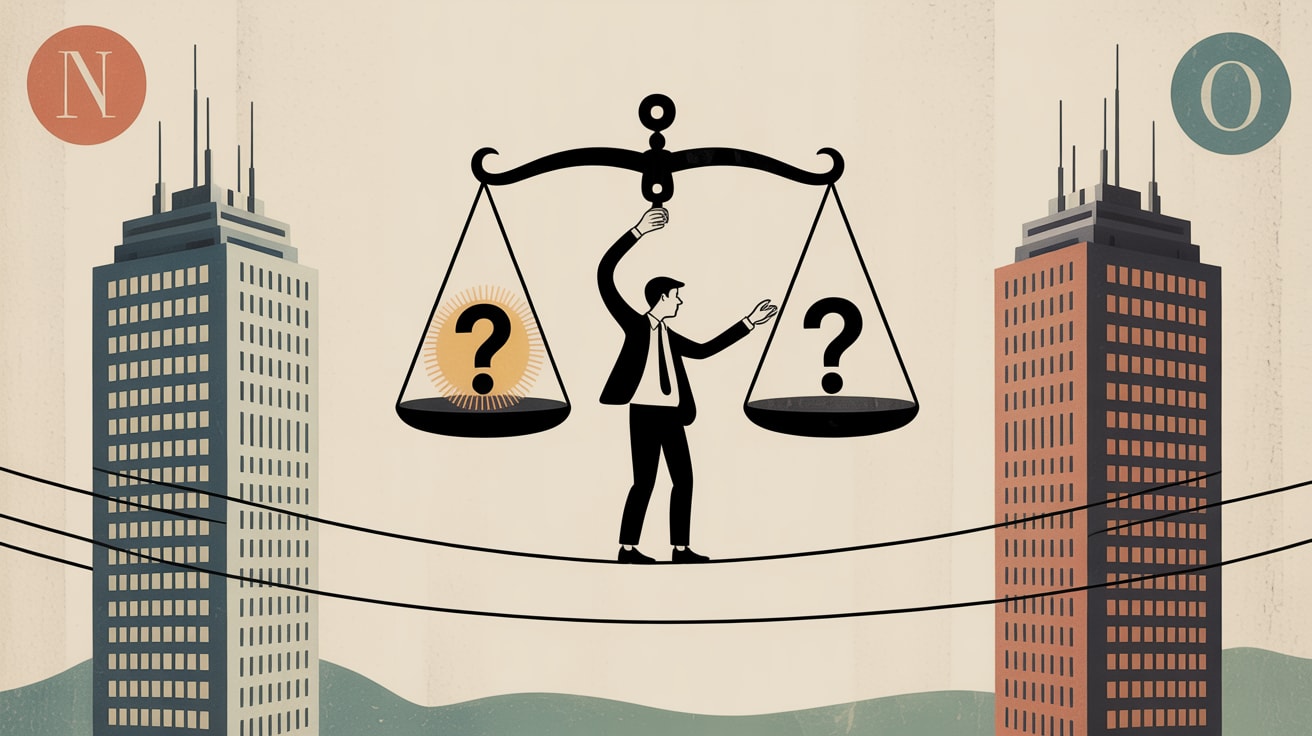
Why Your AI Predictions Need Uncertainty Scores, Not Just Answers
Bayesian neural networks and data circuit breakers are reshaping how marketers trust AI outputs. Here's what CDP teams in Southeast Asia need to act on now.
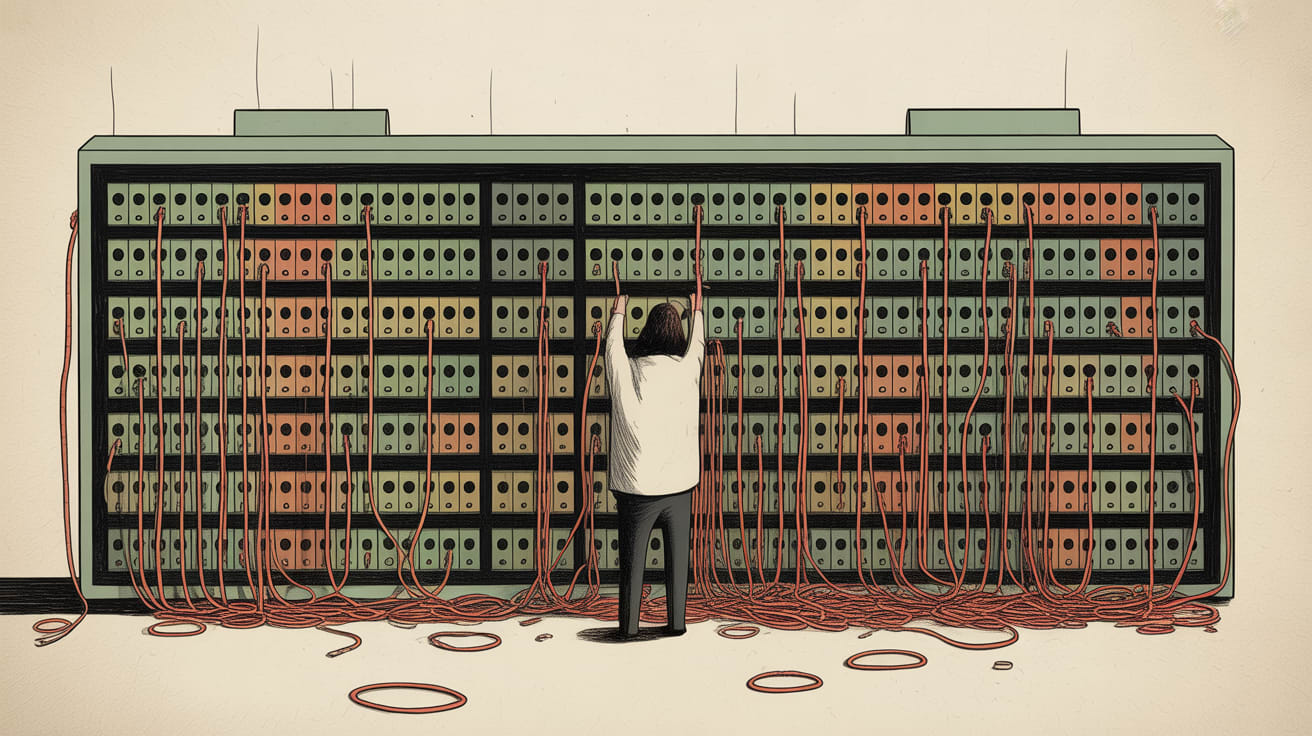
AI Agents in Production: Why More Data Isn't Enough
AI agents fail in production not from lack of data, but wrong connections and blind monitoring. Here's what CDP teams in Southeast Asia must fix now.

Stop Paying for Data Chaos: Build AI-Ready CDP Architecture
Smart data architecture cuts AI token costs 20x and kills alert fatigue. Here's how to build a CDP that actually earns its licence fee in Southeast Asia.

Why Your Data Stack Is Two Decisions Dressed as One
Most execs approve compute and transformation logic as one budget line. Here's why that confusion is costing your CDP its licence fee.

Why Agentic AI Projects Fail: The Data Foundation Problem
Agentic AI deployments keep crashing. The culprit isn't the model — it's broken data foundations. Here's what Southeast Asian teams must fix first.

Why Your AI Assistant Forgets Everything Between Sessions
Stateless AI assistants are quietly destroying CX. Here's how CDPs with persistent memory architecture fix the amnesia problem — and why it matters in SEA.
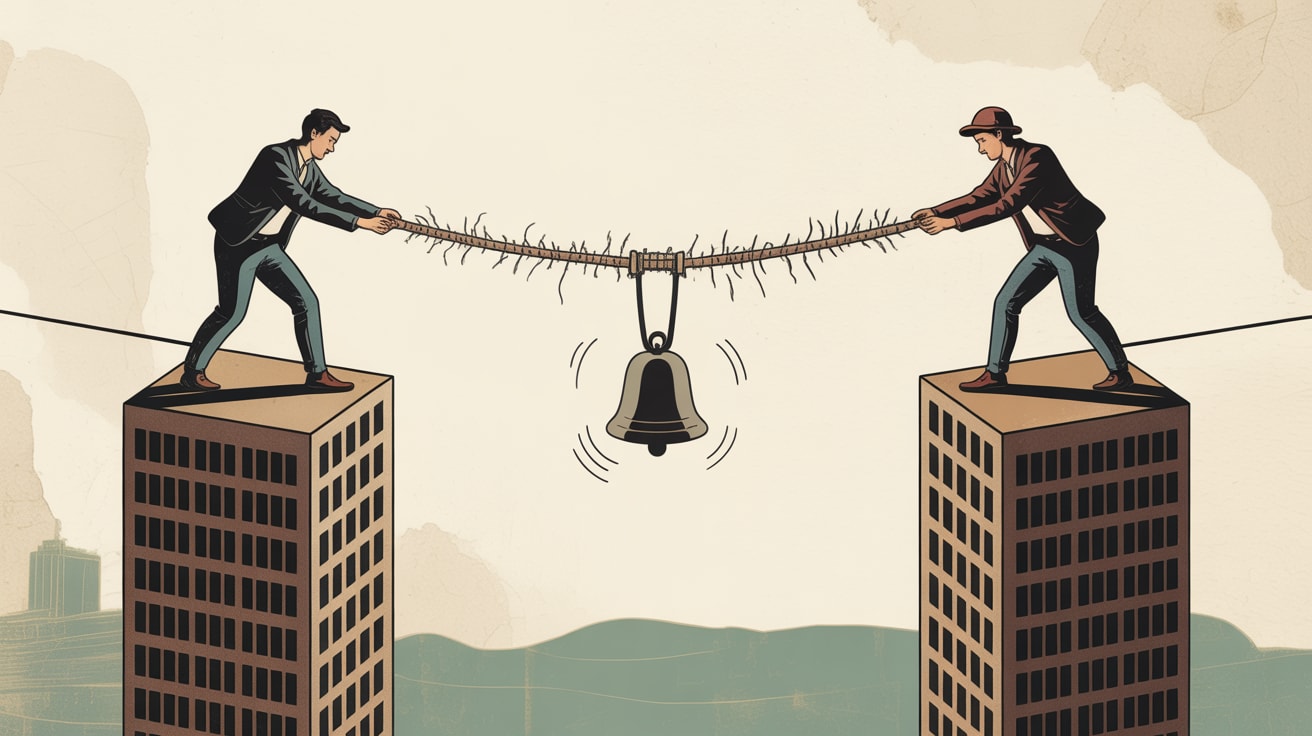
AI Observability: The CDP Layer Your Stack Is Missing
AI models powering personalisation decay silently. Here's why AI observability belongs inside your CDP strategy — and how to act on it now.

Fix Your ICP Before Your CDP Becomes Expensive Noise
A broken ICP corrupts your CDP from the inside. Here's how to align customer data architecture with the customers actually worth winning.

Coding Agents as Data Activation Tools for CDPs
Coding agents aren't just for engineers. Here's how CDP teams in Southeast Asia can use them to accelerate data activation and audience logic.

Private Cloud CDPs: Why Data Sovereignty Is Now a CDP Must-Have
Private cloud deployment for CDPs has shifted from niche workaround to baseline expectation. Here's what that means for your data stack in Southeast Asia.
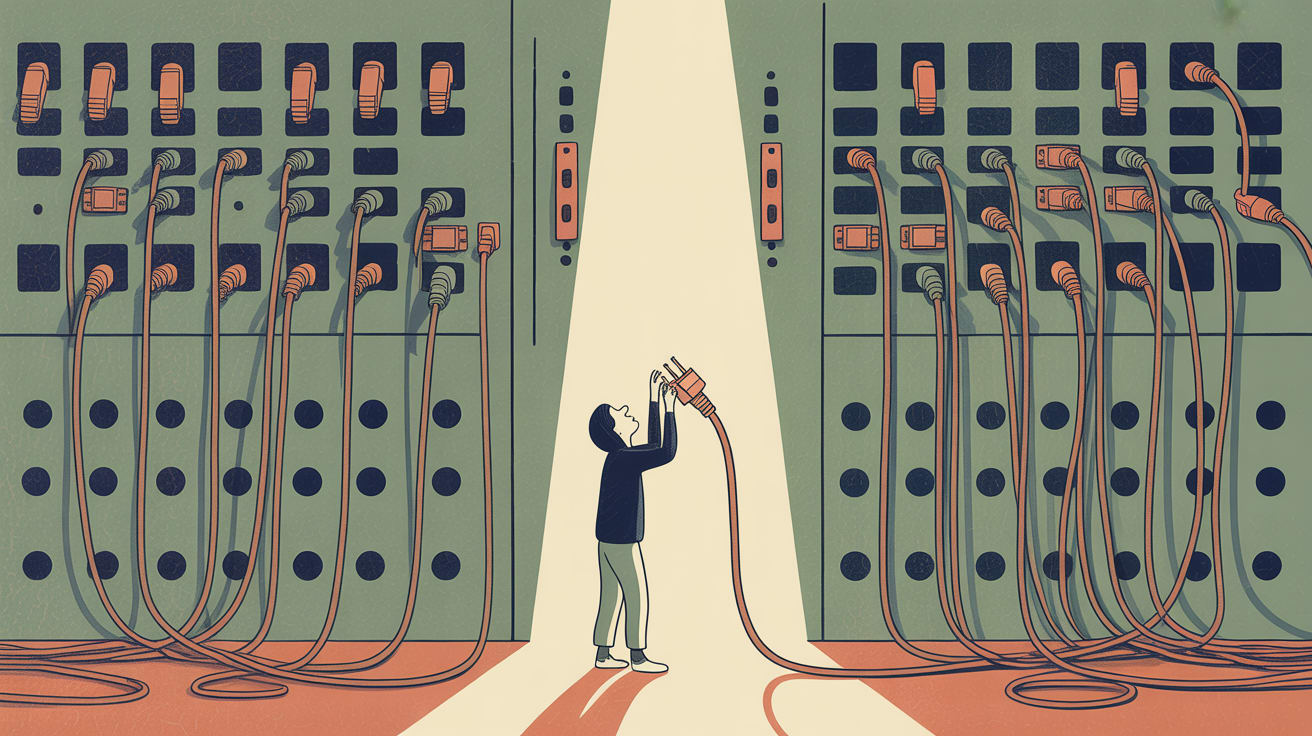
CDP Activation in 2026: When Your Data Stack Earns Its Keep
LLM agents now browse, dbt evolves, and Claude Code ships faster. Here's what it means for CDP teams activating customer data in Southeast Asia.
Why AI Context Is the New Customer Data Advantage
AI without context is just noise. How unified customer data platforms are becoming the real competitive edge for brands across Southeast Asia.
CDP Connector Count Is a Vanity Metric. Here's What Isn't
More integrations don't equal better data. Here's how to evaluate your CDP on the metrics that actually drive unified customer profiles and activation.

FinTech Retention: Why Churn Scoring Alone Isn't Enough
Churn scores tell you who's leaving. Uplift modelling tells you who's worth saving. Here's how FinTech teams can combine both to retain the right customers.
Analytics Careers in the AI Era: What Actually Survives
AI is reshaping analytics roles faster than most teams can adapt. Here's what the shift means for data practitioners and the CDPs they operate.
Why AI Agents Are Reshaping the CDP Data Stack in 2026
AI agents are rewriting how CDPs ingest, orchestrate, and activate customer data. Here's what Southeast Asian marketing teams need to rethink now.
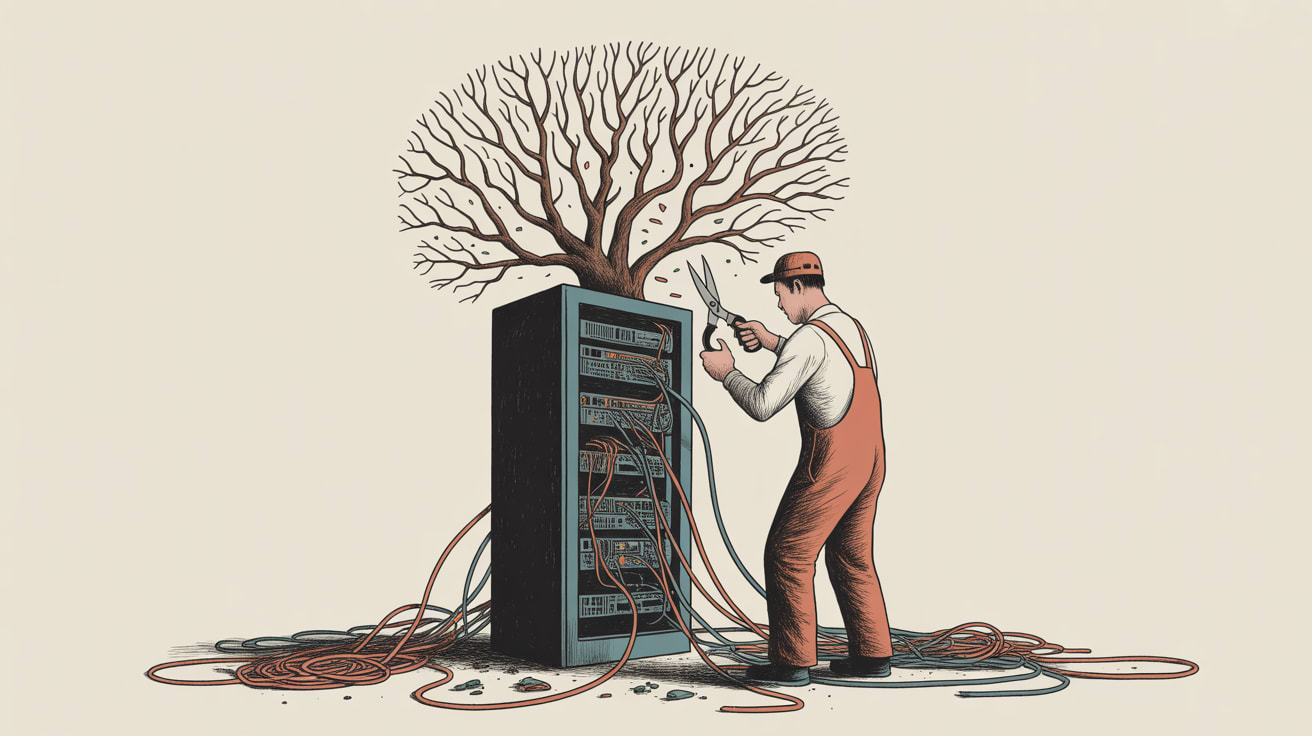
Token Bloat Is the CDP Problem Nobody's Talking About
LLM-powered CDPs fail silently when context windows bloat. Here's what Southeast Asian data teams need to know about prompt pruning and unified profiles.

Precision Data Collection: Why Signal Quality Beats Volume
Collecting more data rarely solves the real problem. Here's how precision signal architecture and smart data pruning build CDPs that actually perform.
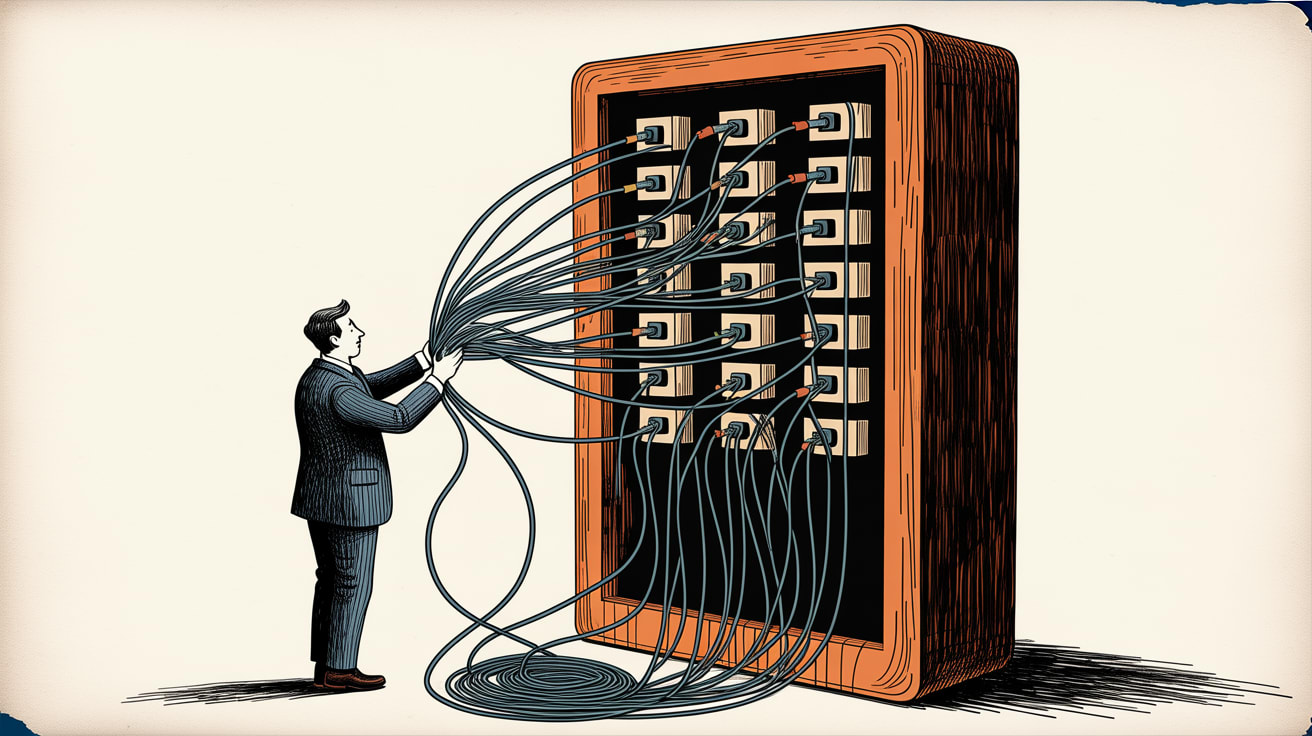
AI Agents Are Fixing Your Data Pipeline Debt in Real Time
AI agents connected to dbt and Databricks are turning hours of dashboard debugging into minutes. Here's what that means for your CDP strategy.
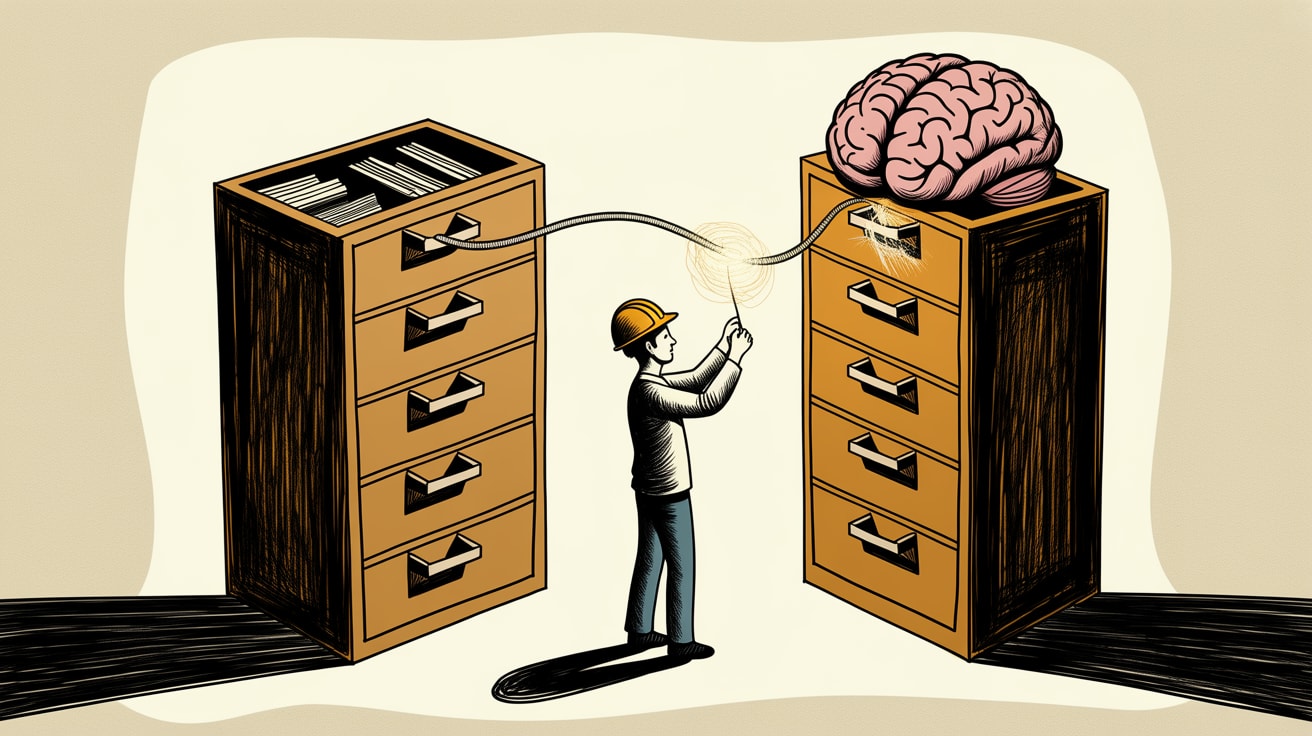
From Data Platform to Intelligence Platform: The CDP Shift
Data platforms store records. Intelligence platforms govern meaning. Here's what that shift demands from your customer data strategy in Southeast Asia.

Why RAG Needs Document Structure, Not Just Raw Text
Raw OCR gives you words. Structured document parsing gives you answers. Here's why enterprise RAG pipelines live or die on document architecture.
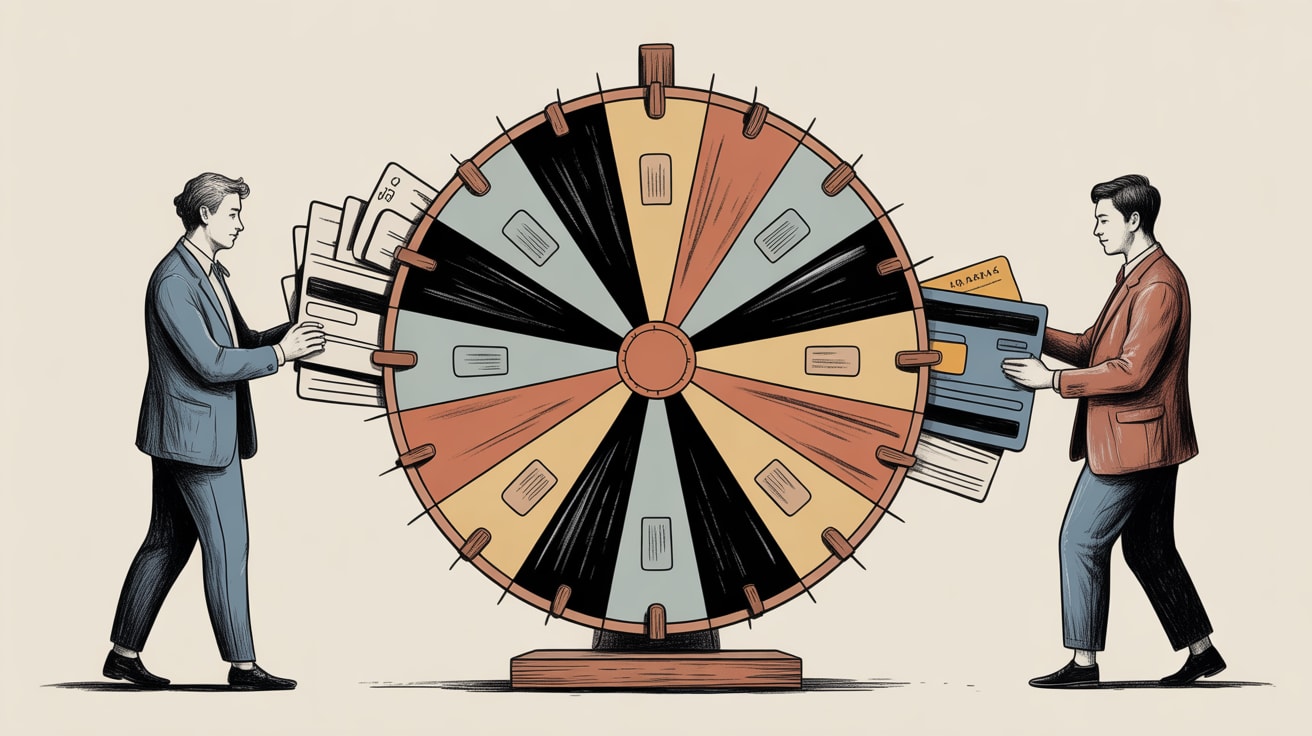
First-Party Data Flywheels: Build the Loop Before the Platform
Before you pick a CDP, you need a data flywheel. Learn how LALIGA's first-party strategy and dbt migration lessons apply to SEA brands building unified customer profiles.
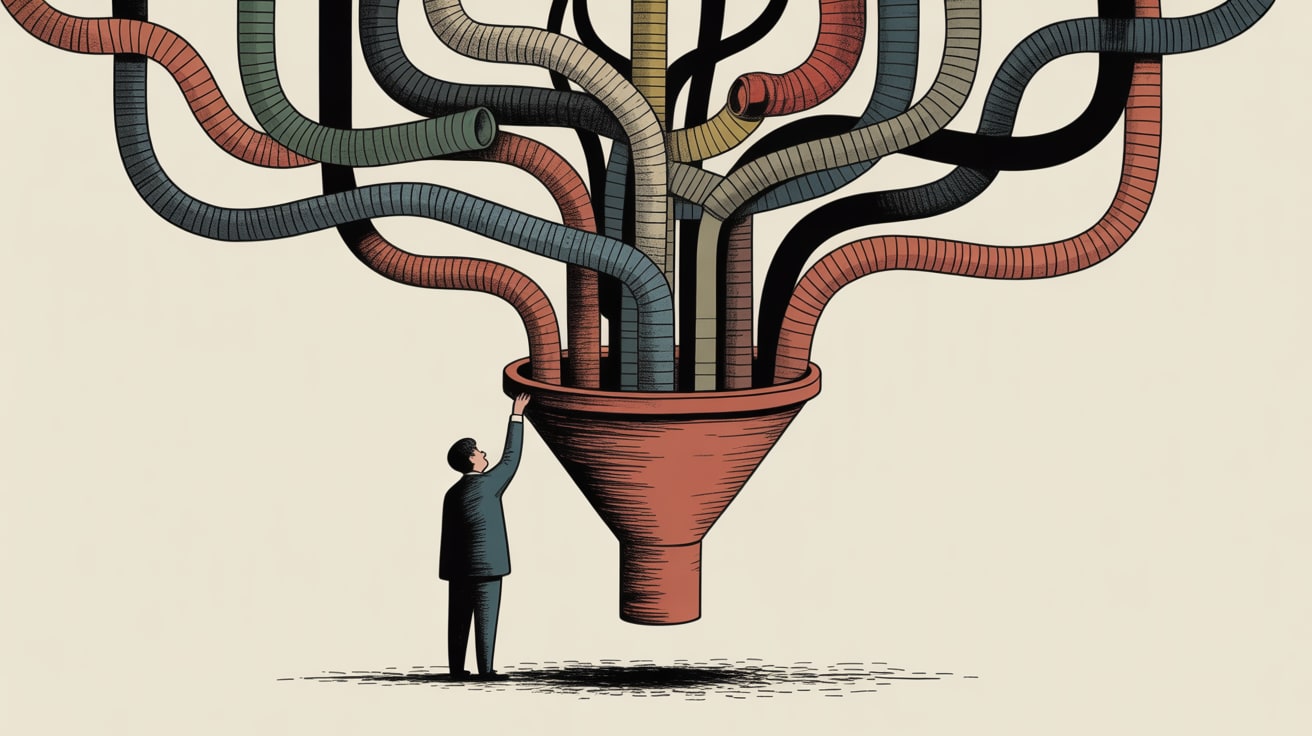
Why Your CDP Is Stalling at the Data Layer in 2026
Most CDPs fail before activation. Here's why the real bottleneck is data architecture — and what Southeast Asia's growth teams must fix first.

dbt + Snowflake: What the CDP Stack Can Learn From Data Eng
dbt Labs' Snowflake Partner of the Year win signals a maturation in data transformation that CDP teams can't afford to ignore. Here's the strategic read.

Why Your Agentic Data Stack Needs a Trust Layer Now
AI agents are making autonomous decisions inside your data stack. Without a trust layer, that's a compliance and brand crisis waiting to happen.
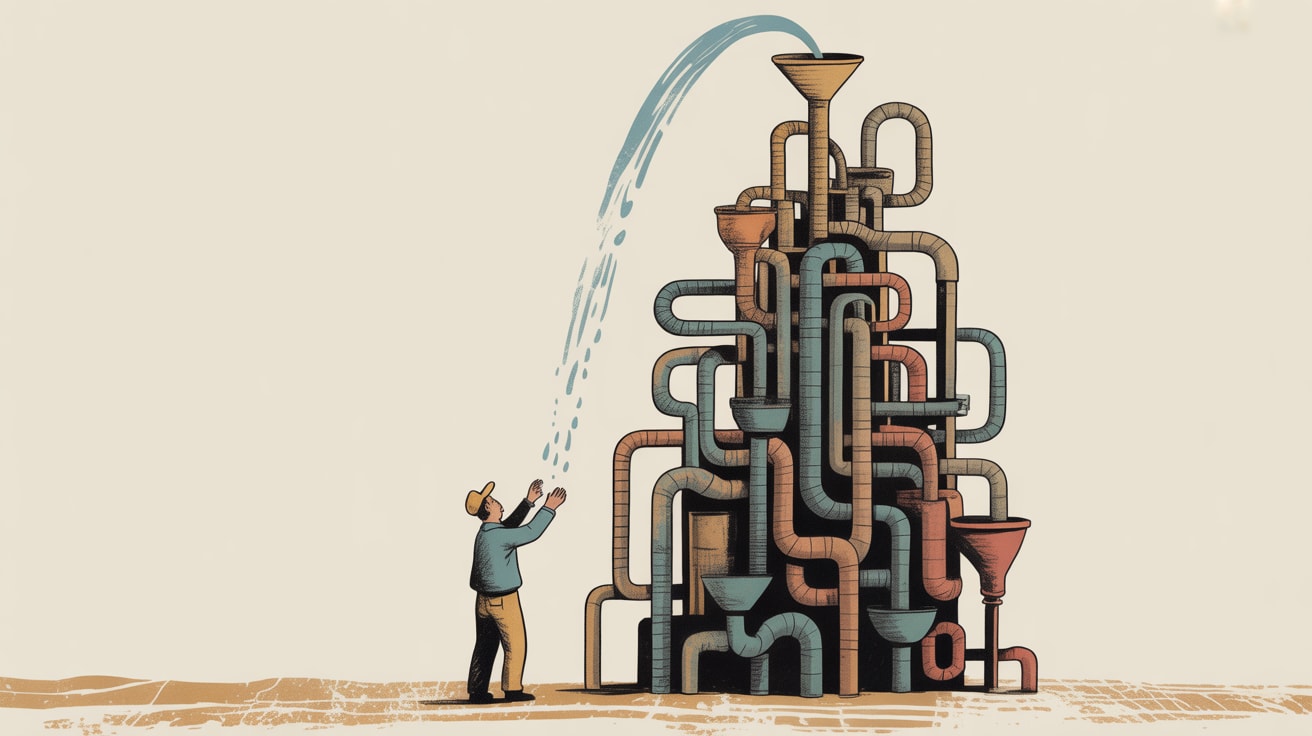
Your AI Data Layer Is Only as Smart as What Feeds It
The AI data layer isn't a feature upgrade — it's a new infrastructure contract. Here's what CDP teams in Southeast Asia need to get right first.

Data Quality Automation: Stop Trusting Pipelines on Faith
Dirty data costs more than clean data ever will. Here's how data quality automation protects your CDP and your revenue numbers.
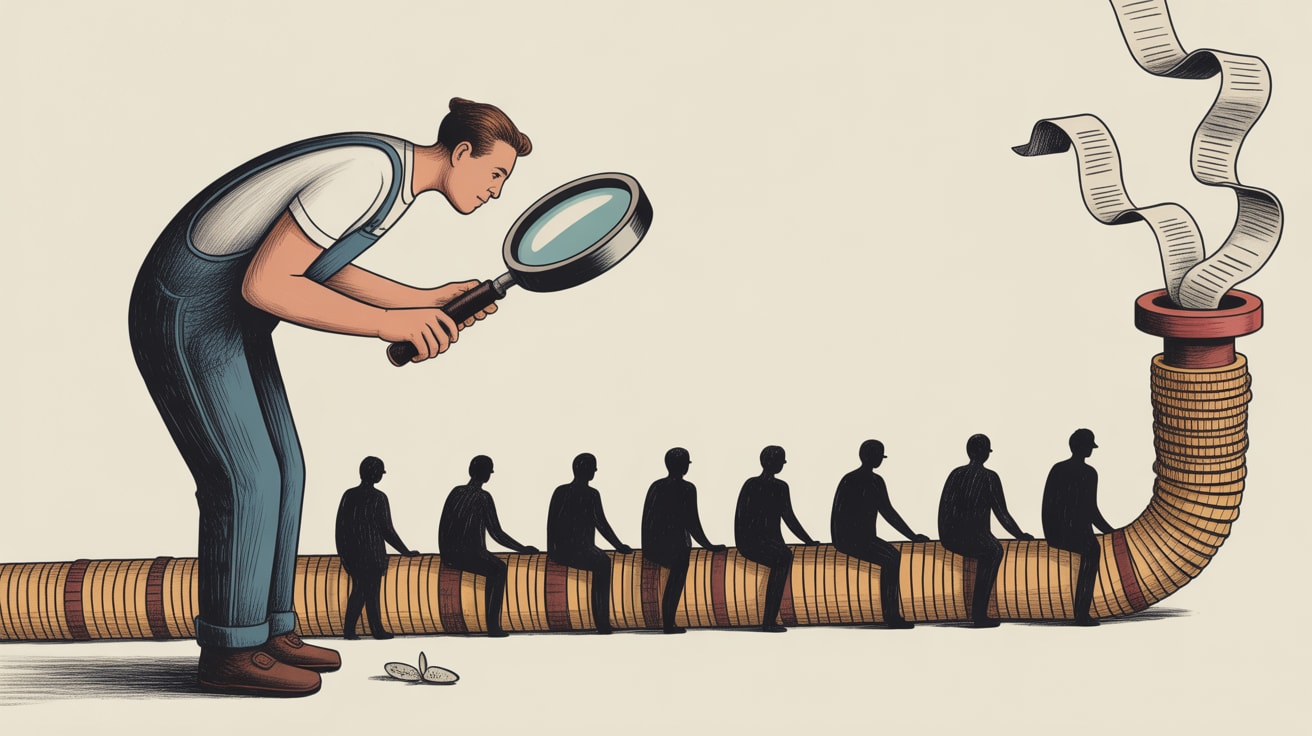
Data Quality Automation: The CDP's Silent Foundation
Dirty data quietly kills CDP ROI. Here's how data quality automation and AI-assisted testing protect the unified customer profile that earns its licence fee.
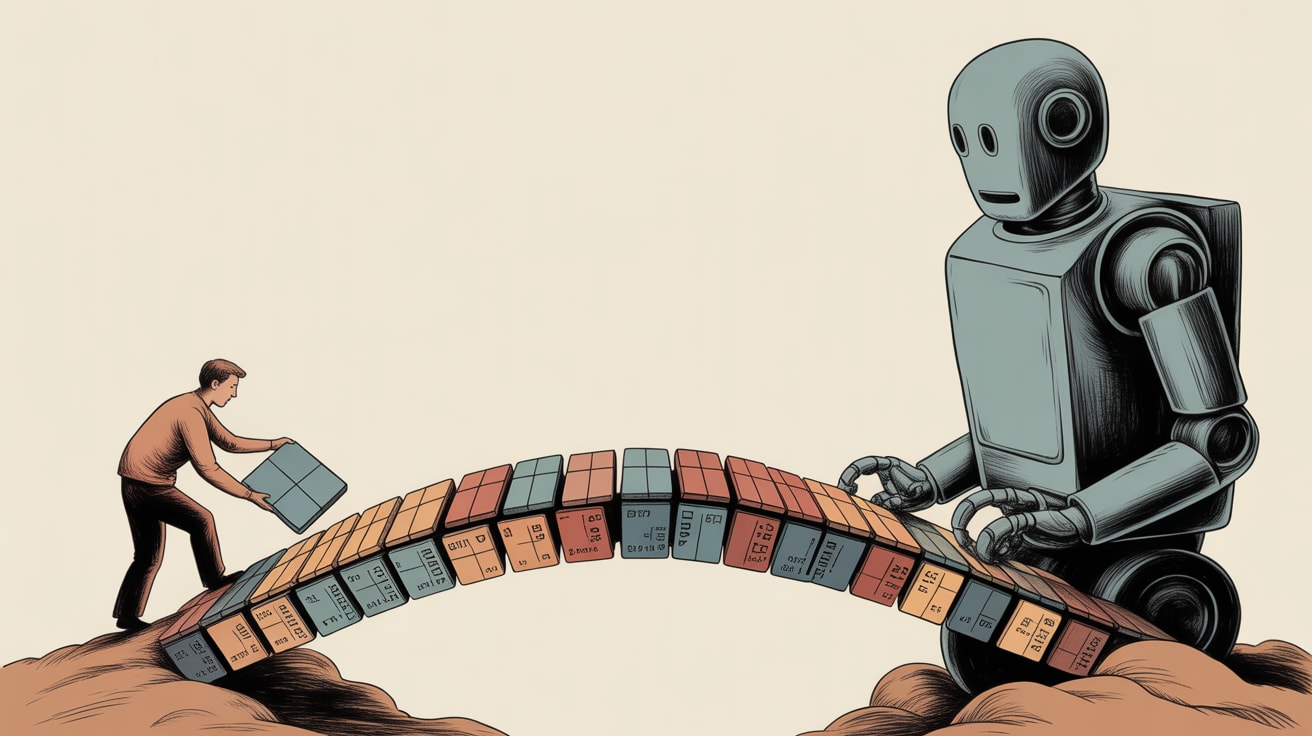
AI Analysts Need Trusted Data Foundations to Deliver
Pointing AI at your data warehouse sounds simple. Here's why trusted data architecture is the real unlock for AI-powered customer analytics in SEA.

When AI Writes Your Data Pipelines, Who Owns the Risk?
AI agents are building pipelines and writing SQL faster than ever — but speed without data governance is a liability. Here's what CDPs need to stay safe.

Unified Customer Data: Cut Costs and Close Identity Gaps
How modern data architecture—from identity resolution to pipeline governance—turns your CDP from a cost centre into a revenue engine across Southeast Asia.

How to Connect AI Models to Your Customer Data CDP
AI is only as smart as the customer data feeding it. Here's how CDPs and modern data stacks unlock real personalisation at scale in Southeast Asia.
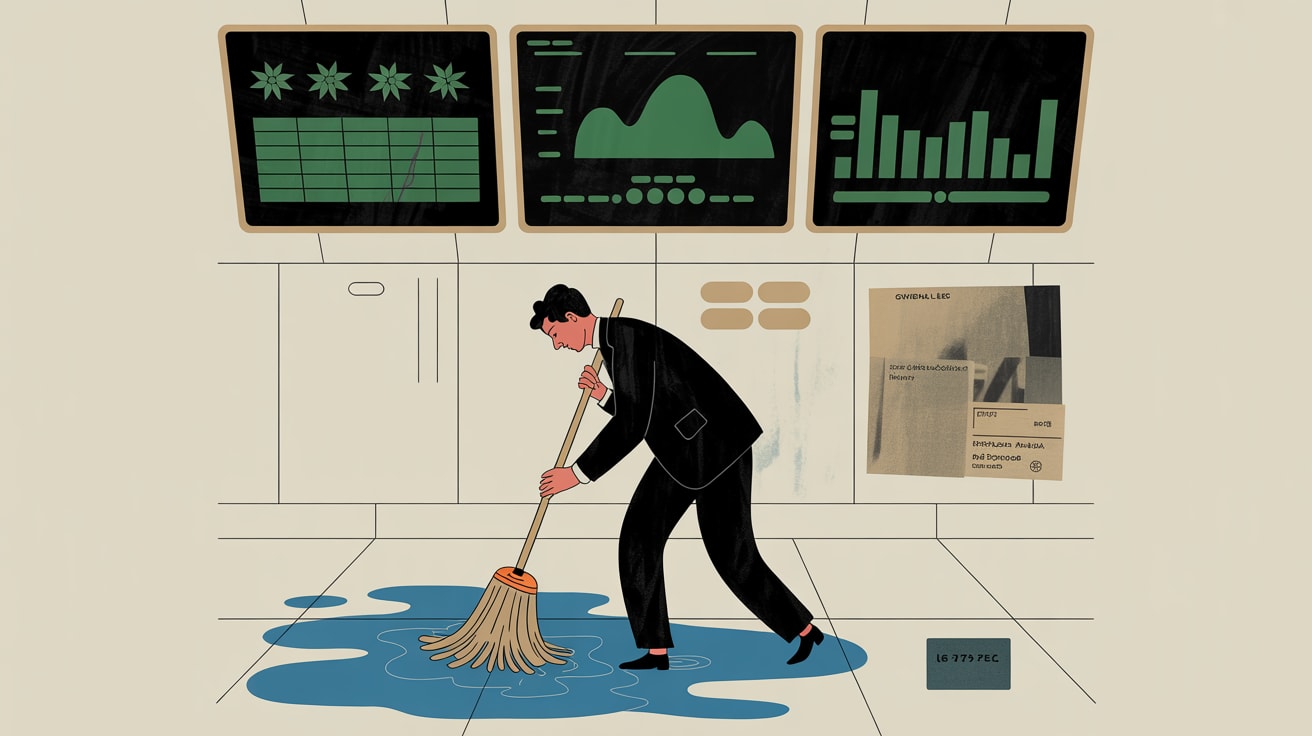
Why Your Data Layer Is Quietly Killing Your CDP ROI
Most CDPs underperform not because of the platform — but because the data layer feeding them is treated as IT plumbing. Here's how to fix that.

Credit Scoring Models: What CDPs Can Learn From Them
Credit scoring's feature selection discipline offers CDP teams a sharper way to build unified customer profiles that actually predict behaviour. Here's how.
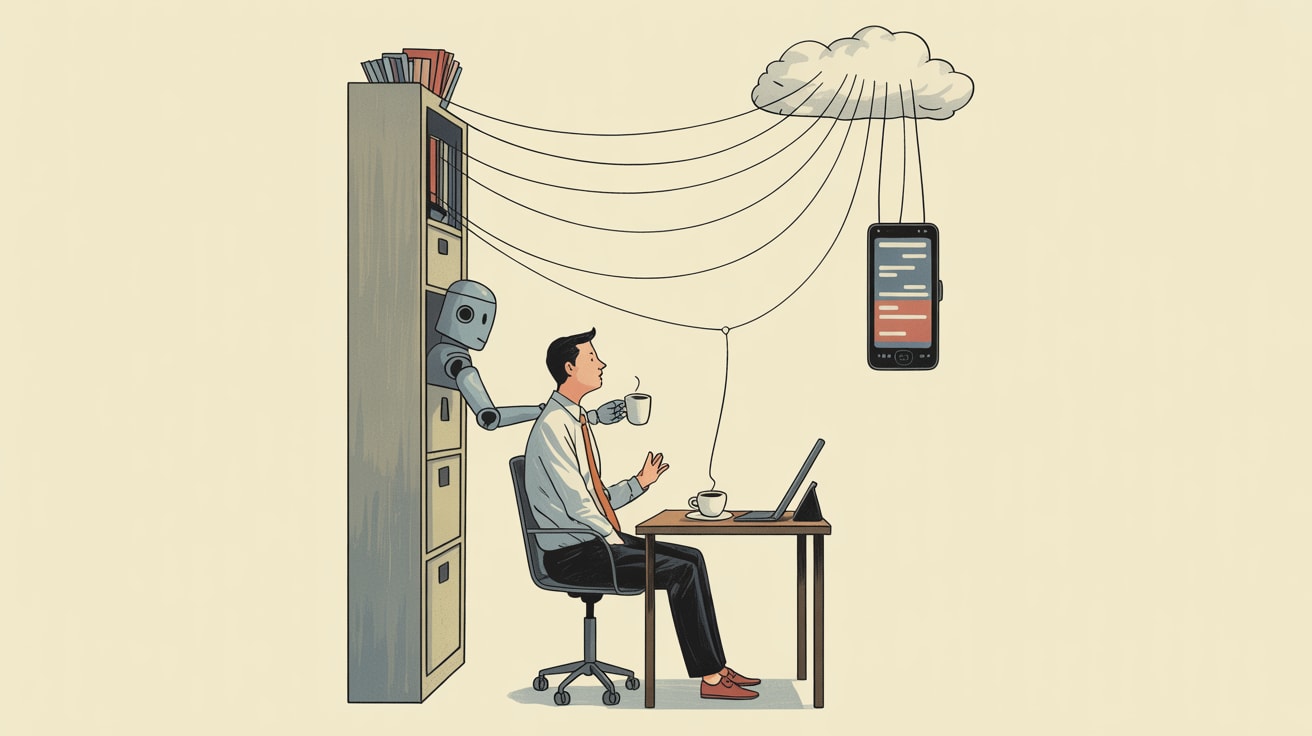
Agentic AI and the CDP: Closing the Data-to-Action Gap
Agentic AI is rewriting what a CDP can actually do. Here's how to connect autonomous agents to unified customer data without the chaos.

Concept Drift in CDPs: When Your Customer Data Lies
When behavioural signals shift, your CDP's unified profile quietly breaks. Here's how to detect concept drift before it corrupts your activation layer.

Two-Stage Hurdle Models: Fix Your CDP's Blind Spot
Most CDPs predict purchase likelihood with a single model. Two-stage hurdle models fix that — and unlock sharper segmentation for SEA brands.
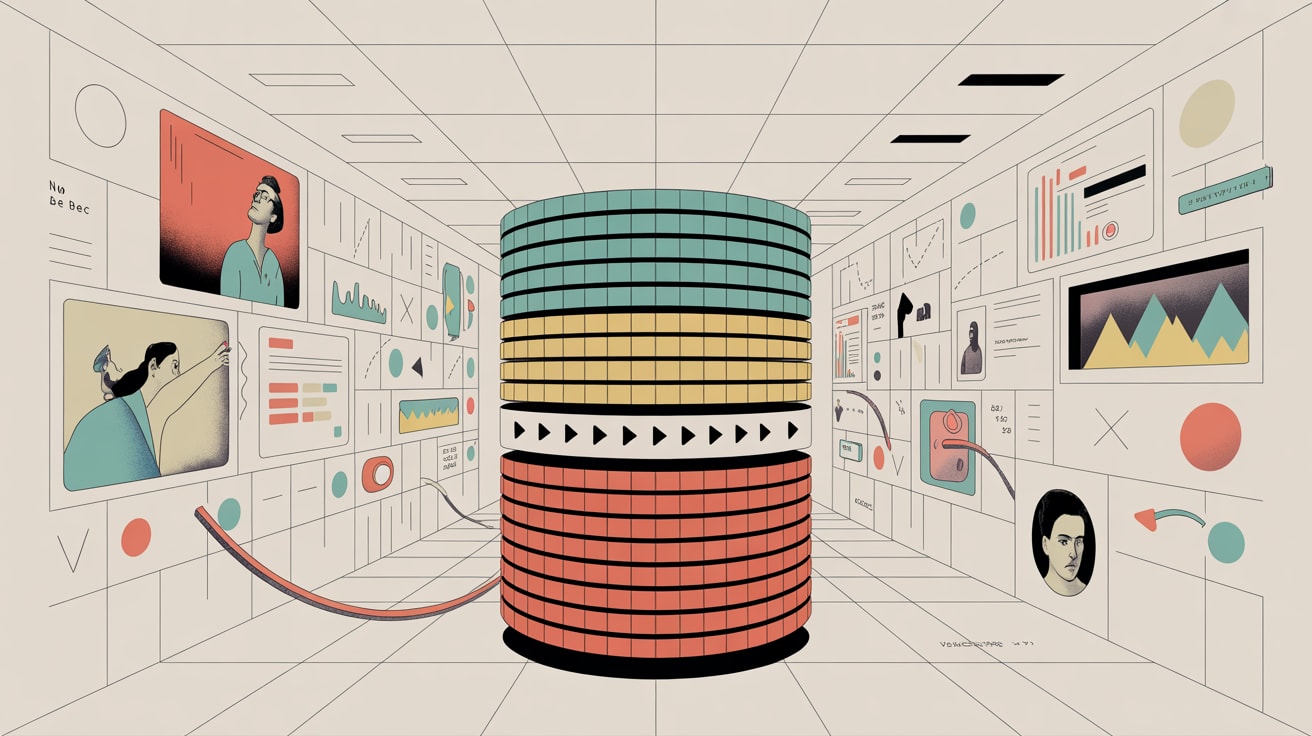
Why Causal Inference Is the Missing Layer in Your CDP
Most CDPs tell you what customers did. Causal inference tells you why — and what to do next. Here's how to build that layer into your data stack.

Spectral Clustering: The CDP Segmentation Upgrade You Need
K-means is costing your CDP its edge. Here's why spectral clustering reveals customer segments your current model can't see — and what to do about it.
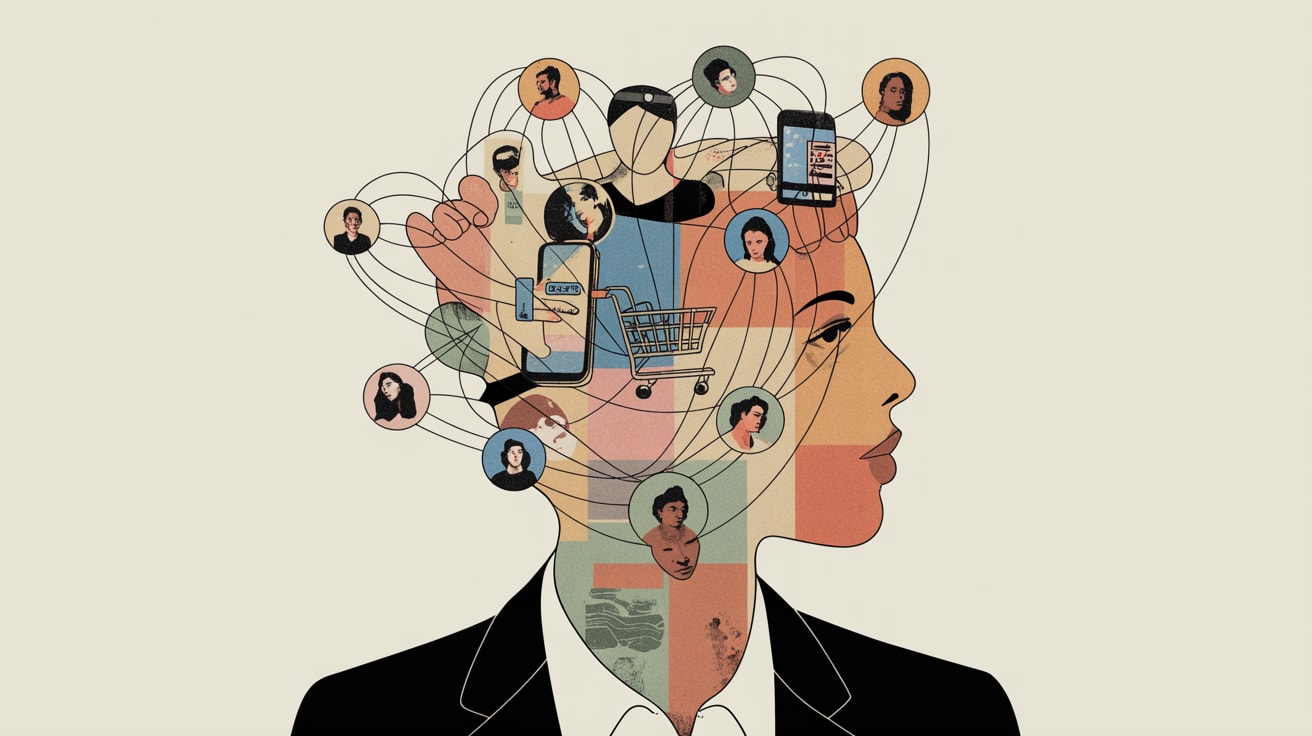
First-Party Data Strategy: Building CDPs That Earn Their Keep
Most CDPs collect data. Few actually unify it. Here's how to architect a first-party data strategy that drives real customer experiences in SEA.
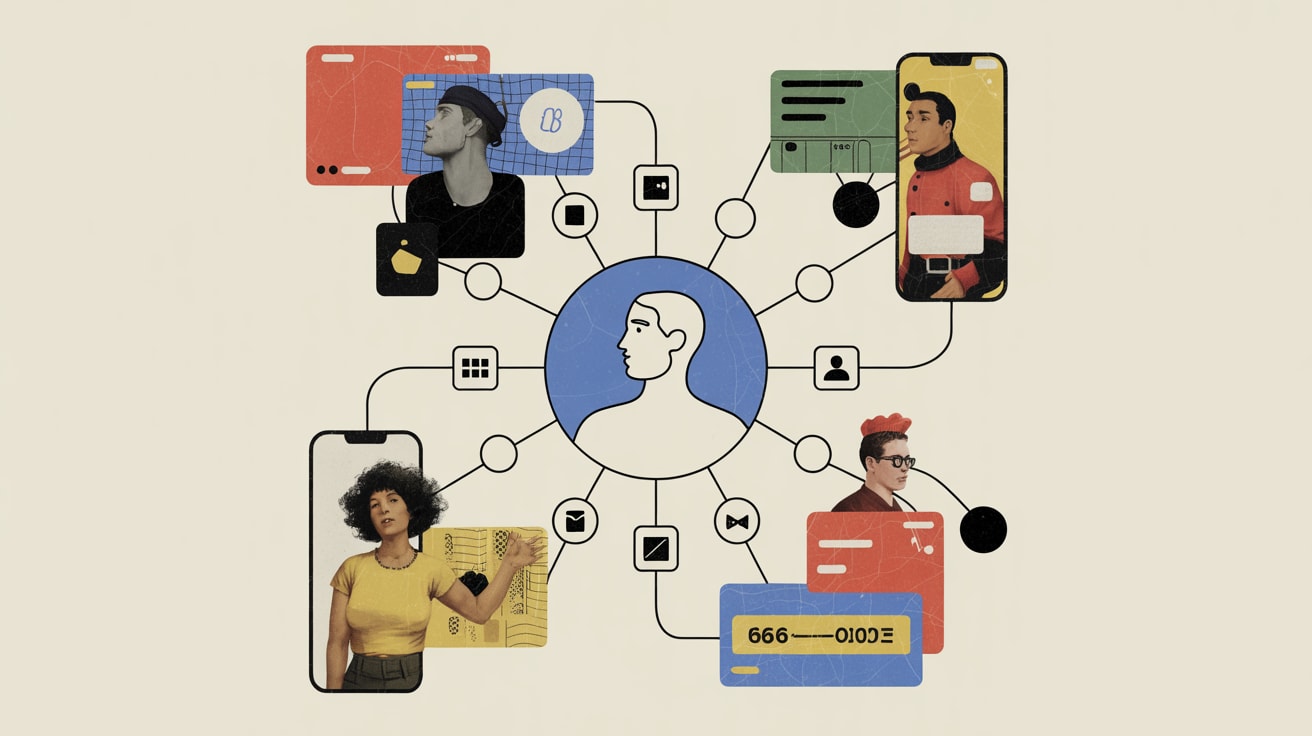
First-Party Data Strategy: Building a CDP That Earns Its Keep
Most CDPs in SEA collect data but never activate it. Here's how to architect a first-party data strategy that actually drives revenue.

First-Party Data Strategy: Building a CDP That Earns Its Keep
First-party data is only as valuable as the CDP architecture behind it. Here's how SEA brands can build unified customer profiles that actually drive revenue.