AI search is collapsing the customer decision journey into seconds. Here's what SEA marketing teams must rethink about SEO and content strategy now.
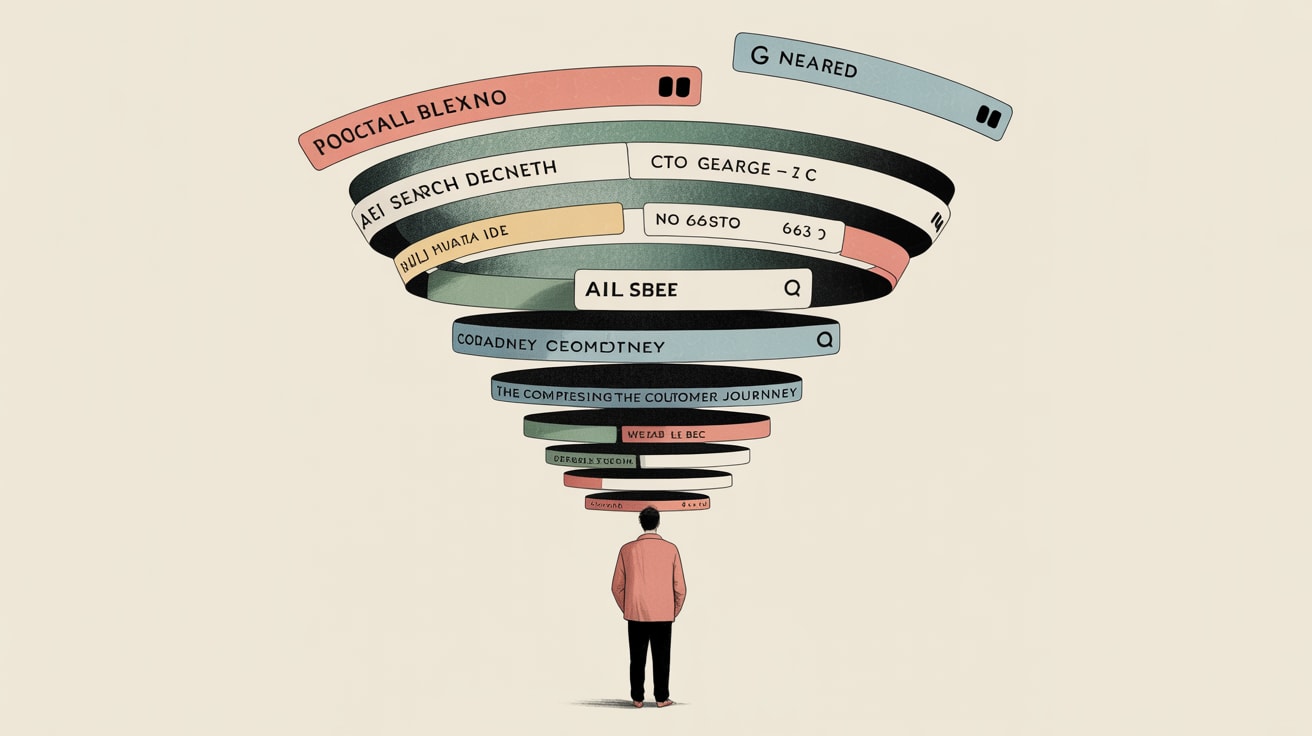
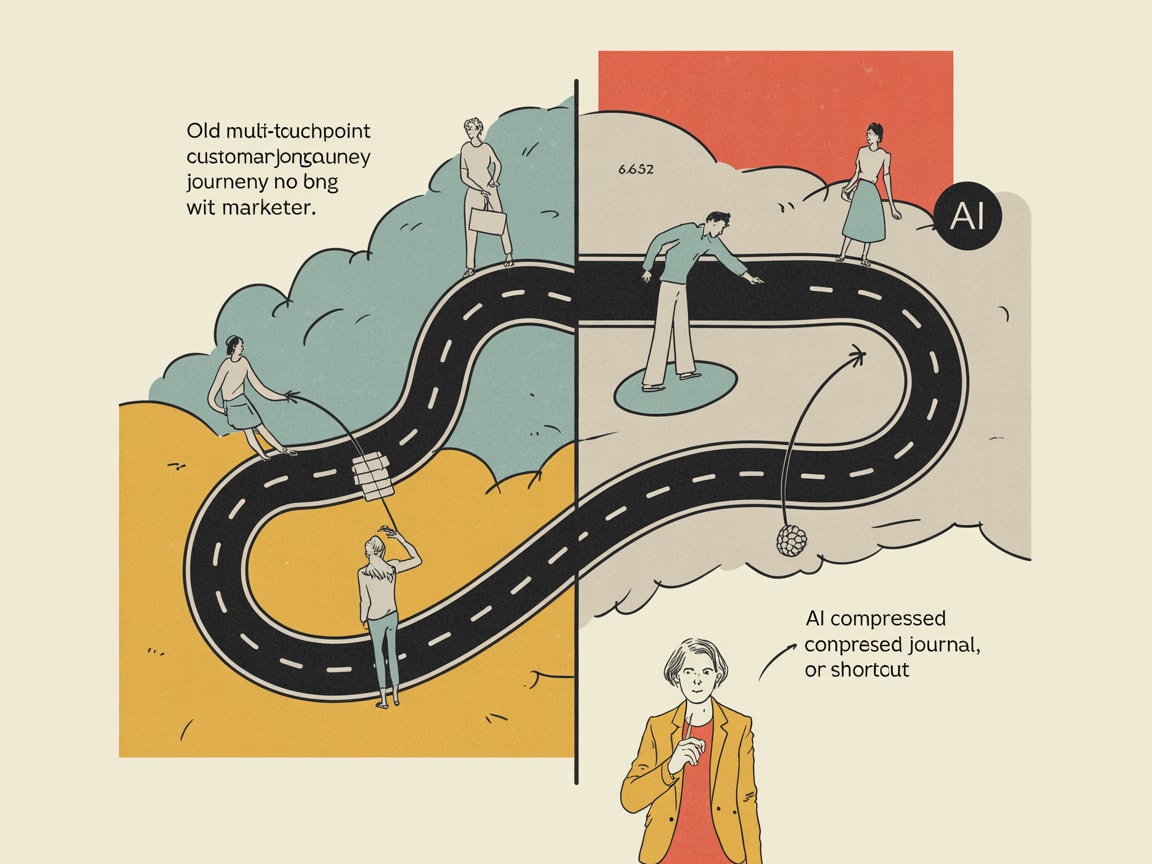
The customer decision journey used to take time. Awareness led to consideration, consideration to intent, intent to purchase — with enough runway for brands to intercept, nurture, and nudge. AI search is dismantling that architecture. According to Google’s analysis of AI search behaviour, the traditional multi-stage journey is being compressed into a single, synthesised moment — one where the AI itself does the comparing, filtering, and recommending before the consumer ever visits a brand property.
For SEA marketing teams, where mobile-first discovery and platform-native shopping already shortened journeys compared to Western markets, this isn’t a distant disruption. It’s arriving on top of an ecosystem that was already moving fast.
How AI Search Is Rewriting the SEO Playbook
The mechanics of AI search fundamentally change what it means to rank. Traditional SEO optimised for clicks — get on page one, earn the visit. AI search optimises for citation: your content either gets pulled into a synthesised answer or it doesn’t exist for that query. HubSpot’s analysis of the AI-SEO intersection confirms that structured, authoritative, specific content is dramatically more likely to surface in AI-generated responses than broad, keyword-stuffed pages.
The practical implication: a brand that ranked third for “best skincare for humid climates” and earned decent traffic may now be invisible if its content isn’t structured in a way that AI systems can parse and confidently attribute. For SEA brands operating across multilingual markets — Thai, Bahasa, Tagalog, Vietnamese — this also raises an urgent localisation question that most content audits haven’t touched yet.
The Journey Compression Problem for Mid-Funnel Strategy
David Edelman’s analysis for Google Think makes a point that deserves more attention than it’s getting: when AI search compresses the decision journey, the middle of the funnel — traditionally where brand preference is built — gets eaten. Consumers arrive at a near-decision state without having meaningfully engaged with brand content. They’ve been pre-informed by an AI intermediary.
This is particularly acute in high-consideration SEA categories: financial products, consumer electronics, travel. A Thai consumer researching travel insurance on Google’s AI Overview may receive a synthesised comparison that names three providers, explains key differences, and surfaces a verdict — without visiting a single insurer’s website. The brand that “wins” that moment is the one whose content trained the AI’s confidence, not necessarily the one with the best landing page.
Mid-funnel content strategy needs to shift from engagement metrics toward AI legibility: clear claims, specific differentiators, structured data markup, and third-party citations that reinforce authority.
What “AI-First” Actually Demands from Content Teams
Google’s internal research on AI workplace transformation — framed around building AI-first organisations — has a direct read-across for content operations. The teams that will adapt fastest aren’t those deploying AI to produce more content. They’re the ones restructuring how content decisions get made: using AI to identify query clusters where synthesised answers are already dominating, auditing existing pages for AI citability, and building feedback loops between search performance data and editorial briefs.
Shopee’s content approach in Southeast Asia offers an instructive analogy — though not in search. Their product listing optimisation operates on the logic that the platform algorithm is the first audience, not the human. The same mindset now applies to Google and increasingly to Bing’s Copilot-integrated search. Write for the synthesiser first. The human reader comes second — but they arrive better informed and closer to a decision, which changes what your page needs to do.
Implementation isn’t simple. Most regional brands carry content libraries built for a different era: long-form pillar pages optimised for dwell time, category guides written for humans browsing at leisure. Auditing and restructuring that inventory requires both strategic prioritisation and honest culling.
Reading the Signal Before It Becomes Consensus
The brands that will own AI search outcomes in 2027 are making structural decisions now — not because the evidence is overwhelming, but because the directional signal is clear enough to act on. AI Overviews are already present across Google’s SEA markets. Generative search experiences on Bing are influencing B2B research journeys. The question isn’t whether this reshapes SEO strategy; it’s how fast your organisation can absorb that reality and restructure accordingly.
Three things to do this quarter: audit your highest-traffic pages for AI citability using structured data and answer-format content; map your customer journey touchpoints against where AI synthesis is most likely to intercept; and identify the two or three content categories where mid-funnel brand preference was doing heavy lifting — because that’s where the gap will appear first.
Key Takeaways
- Optimise content for AI citation, not just ranking — structure, specificity, and third-party authority signals now determine whether your brand appears in synthesised answers.
- Rebuild mid-funnel strategy around AI legibility: if the journey compresses before consumers reach your pages, your content must train the AI’s confidence in your brand before the click ever happens.
- SEA teams should prioritise multilingual AI citability audits immediately — the localisation gap is real and competitors are not moving quickly enough on it.
The uncomfortable question worth sitting with: if AI search is doing the consideration work that brands used to own, what is a brand’s content actually for anymore? The answer probably involves a fundamental rethink of where in the journey human engagement still matters — and which touchpoints were only ever valuable because the funnel was long enough to need them.
Sources

Written by
Mystic GrizzlyReading the early signals — in consumer behaviour, platform mechanics, and competitive positioning — before they become the consensus. Writing for practitioners who want to act ahead of the curve.