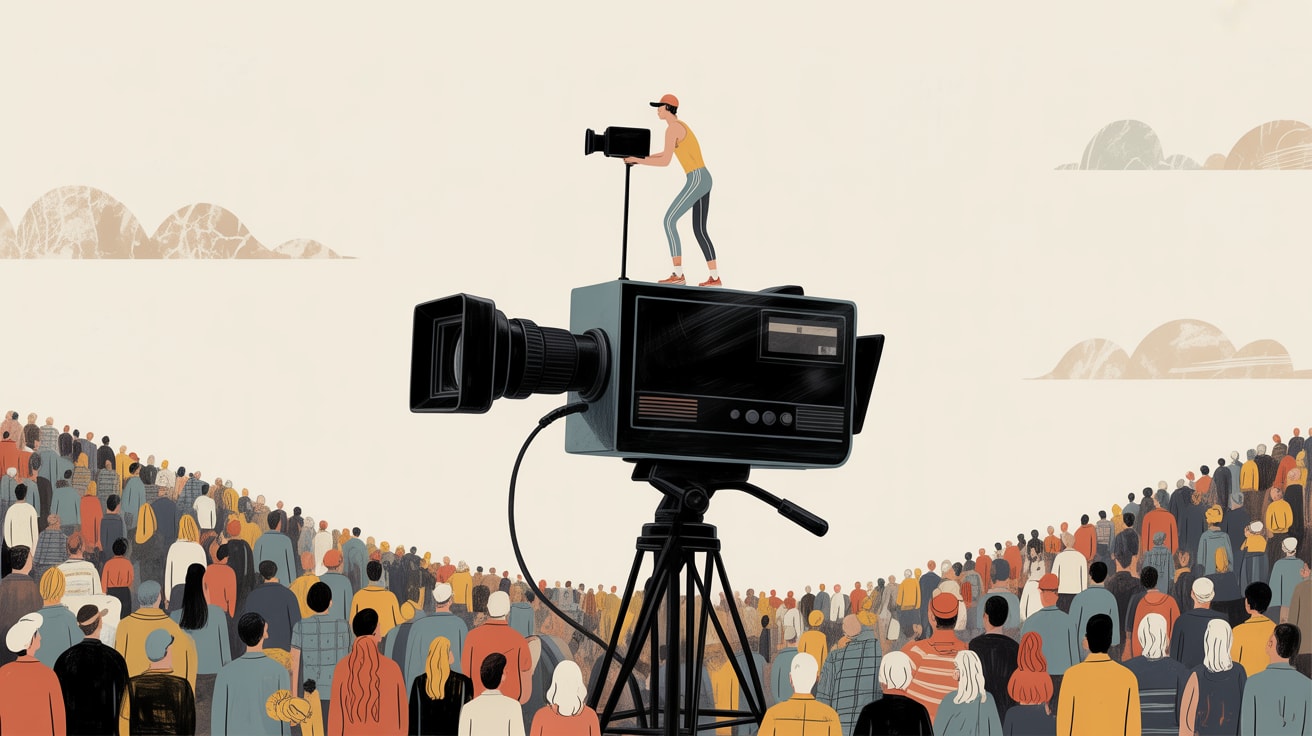
Women athletes are mastering creator-led growth strategies that most brand media teams haven't caught up to yet. Here's what the ad stack can learn.
Somewhere between the NIL gold rush and the third season of a WNBA player’s cooking series, women athletes quietly became the most sophisticated media operators in the creator economy. Brands are still catching up — and the gap is showing in their CPMs.
The Salary Gap Created a Media Strategy
Digiday’s reporting on women athletes and the creator playbook surfaces something media planners should find uncomfortable: the structural underpayment of women in professional sport didn’t kill ambition, it redirected it. Athletes who couldn’t close salary gaps through contract negotiations started closing them through content revenue — YouTube channels, Substack newsletters, brand partnerships negotiated directly, without an agency skimming the middle.
The result is a cohort of athletes who understand audience-building at a granular level most brand marketers don’t. They know their CPM on TikTok versus Instagram Reels. They know which content format retains subscribers versus which drives one-time spikes. They’ve essentially been forced to become their own growth teams — and they’re good at it.
For paid media directors, this is a signal worth reading carefully. An athlete with 400,000 engaged followers and a 6% average engagement rate is not the same media buy as a lifestyle influencer with the same numbers. The trust architecture is different. The audience’s relationship to the content is different. And increasingly, the attribution data coming back from these partnerships is different too.
Owned Audience Infrastructure vs. Rented Reach
Here’s the part that should make any programmatic-first media team slightly uncomfortable. Women athletes building creator businesses are doing what most brands talk about but rarely execute: constructing owned audience infrastructure rather than perpetually renting reach from platform intermediaries.
A newsletter with 80,000 subscribers is a first-party data asset. A YouTube channel with consistent 200,000-view episodes is a content distribution channel with predictable reach. These athletes are building media businesses with compounding returns — while most brand campaigns are still optimising for last-click ROAS on Meta, paying for attention they don’t retain.
In Southeast Asia, where platform ecosystems like TikTok Shop, Shopee Live, and LINE are increasingly the primary commerce layer, the creator-as-media-company model is particularly acute. Thai and Indonesian athletes and content creators have demonstrated that community-first content converts at significantly higher rates in social commerce environments than traditional display or even influencer posts from accounts without genuine community ties.
The implication for media planning is direct: if you’re not evaluating creator partners on audience quality metrics — retention rate, comment sentiment, repeat engagement — you’re buying reach, not influence.
What This Means for Brand Media Buying
The tactical shift this points toward is not simply “spend more on creators.” That’s a budget reallocation, not a strategy. The more interesting question is whether brand media teams are structured to actually evaluate and activate creator partnerships at the sophistication level these athletes are now demanding.
Several implications worth pressure-testing with your team:
Attribution infrastructure has to catch up. Creator partnerships that drive newsletter sign-ups, app downloads, or repeat purchase behaviour don’t resolve cleanly in last-touch models. If your measurement framework can’t capture the halo effect of sustained creator exposure, you’ll chronically underspend on your highest-quality inventory.
Contract structure matters as much as reach. Athletes operating as media businesses are increasingly structuring brand deals with performance clauses, content licensing fees, and exclusivity windows that mirror publisher deals more than influencer posts. Media buyers who still think in terms of “post fee plus usage” are negotiating in a different decade.
The platform mix is shifting under these creators. TikTok’s monetisation ecosystem, YouTube Shorts’ revenue sharing, and Shopee’s creator affiliate programmes in markets like Malaysia and the Philippines are all creating new economic incentives that shape where creators invest their content effort. A brand partnership that doesn’t account for a creator’s platform economics is likely to get deprioritised — regardless of the fee.
The CFO Question Nobody Is Asking
There’s a thread worth pulling here, prompted partly by boAt Lifestyle’s appointment of Saikat Mukhopadhyay as CFO — a move that signals the Indian consumer electronics brand is thinking seriously about financial rigour as it scales. It’s a reminder that creator and influencer marketing programmes, which can run into seven figures annually for mid-large brands, are increasingly under CFO scrutiny in ways they weren’t three years ago.
The women athletes building creator businesses are, in a sense, their own CFOs. They’re managing content production costs against audience monetisation, diversifying revenue streams across brand deals, platform payouts, and direct community products. They’re thinking about margin, not just topline.
Most brand influencer programmes still aren’t. Spend is allocated, posts go live, brand lift studies get commissioned six weeks later, and the connection between content investment and commercial outcome remains frustratingly opaque. As finance leadership gets closer to marketing budget decisions — and in Southeast Asia’s current economic climate, they are — the programmes that survive will be the ones that can demonstrate clear, defensible return logic. Creator partnerships built on audience quality metrics and proper attribution infrastructure will hold up under that scrutiny. Reach-based buys won’t.
Key Takeaways
- Evaluate creator partners on audience quality metrics — engagement retention, comment depth, repeat interaction — not follower count or surface-level CPM comparisons.
- Build attribution infrastructure that can capture creator-driven behaviour across the full funnel, including newsletter sign-ups, app installs, and repeat purchase cycles, not just last-click conversions.
- Structure creator partnerships like media publisher deals — with content licensing, exclusivity windows, and performance mechanics — to align incentives and secure priority from creators operating as serious media businesses.
The creator economy is maturing faster than most brand media teams are adapting. The athletes who built audience infrastructure out of necessity are now setting the terms. The more interesting strategic question isn’t whether to invest in creator partnerships — it’s whether your team has the measurement rigour, contract sophistication, and platform fluency to actually extract value from them when you do.
At grzzly, we work with brand and agency teams across Southeast Asia to build paid media and creator partnership programmes that hold up under CFO scrutiny — not just campaign post-mortems. If your influencer spend is growing faster than your ability to attribute it, that’s a conversation worth having. Let’s talk
Sources

Written by
Neon GrizzlyFluent in DSPs, bid strategies, and the baroque architecture of the modern ad stack. Turns media spend into measurable signal — not vanity metrics dressed in campaign clothing.