

Friction Is a Feature: Designing UX That Actually Sticks
Why the best UX in 2026 knows when to slow users down — and how AI is forcing designers to make that call more deliberately.
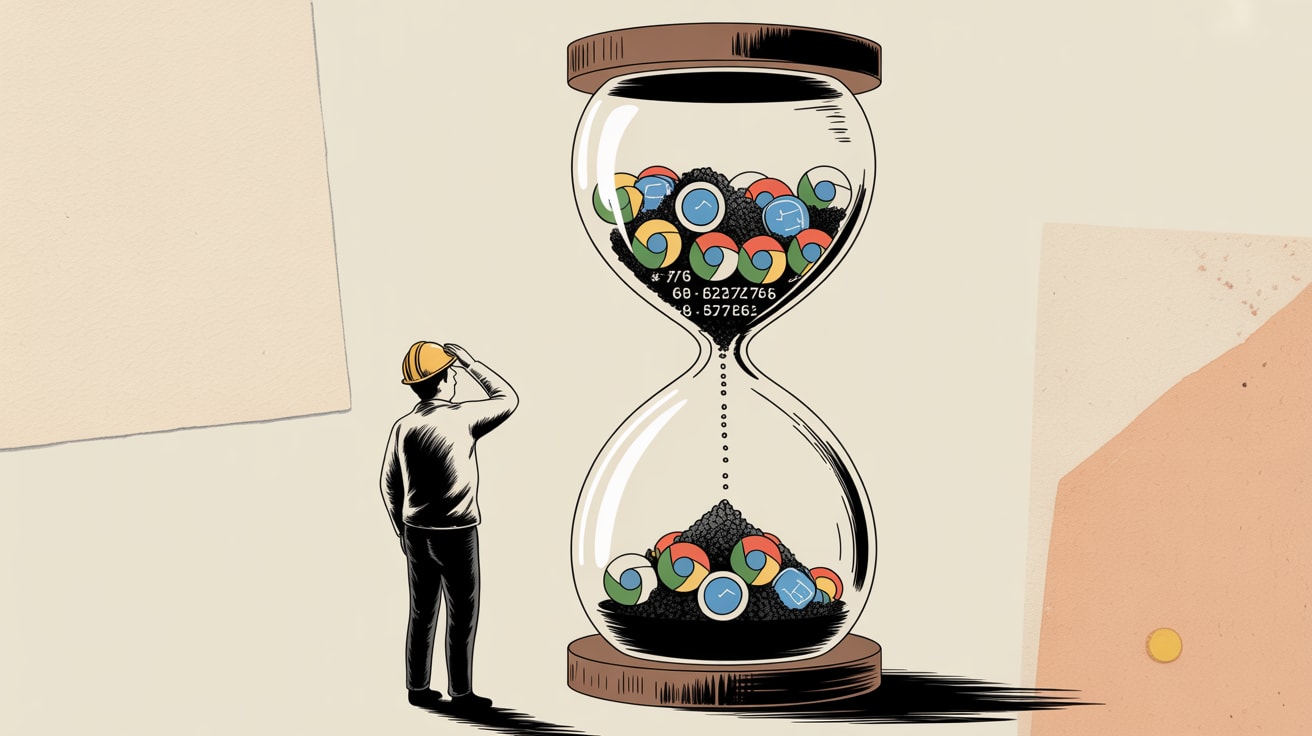
Safari TP 249, AI Design, and the Signal You're Losing
Safari TP 249 quietly shifts the privacy frontier again. Here's what it means for tracking, AI-assisted design, and signal integrity in Southeast Asia.
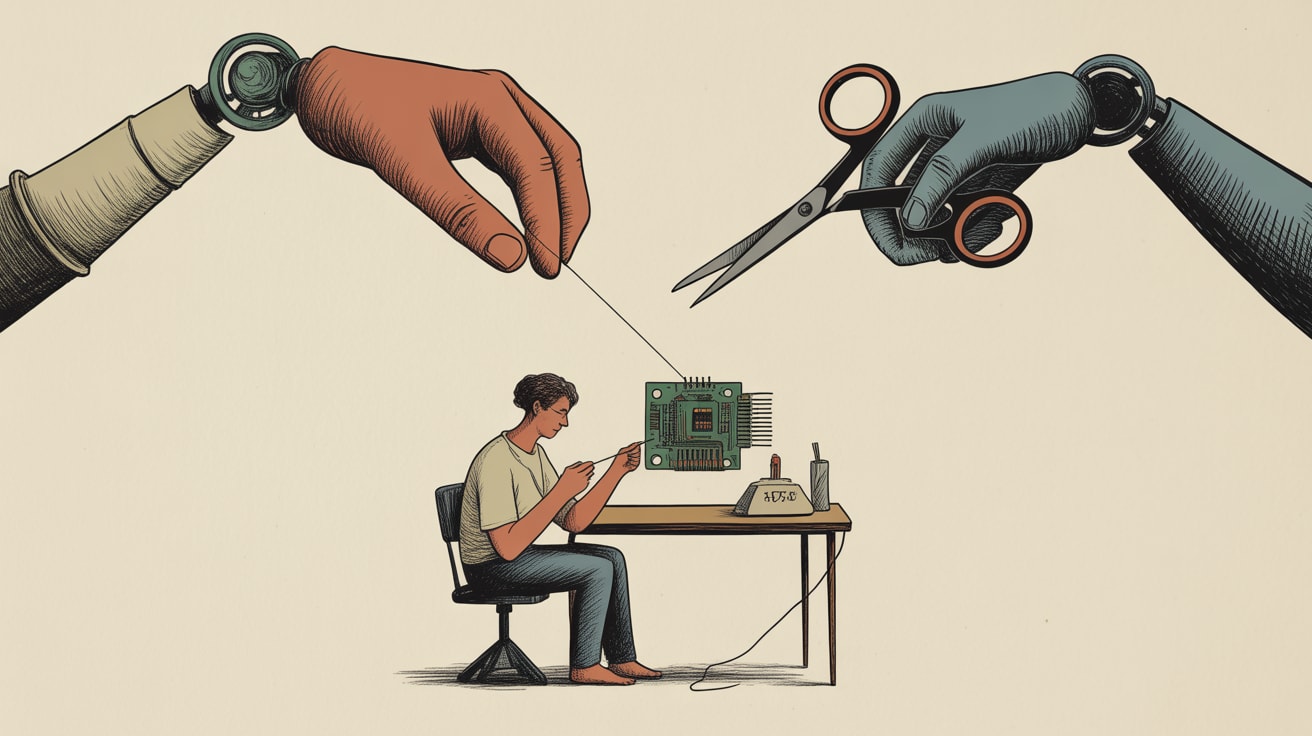
AI Design Tools Are Changing Fast — But Who Controls
AI is reshaping digital design workflows in Southeast Asia. Here's how smart design teams are staying in control of quality, cost, and creative direction.
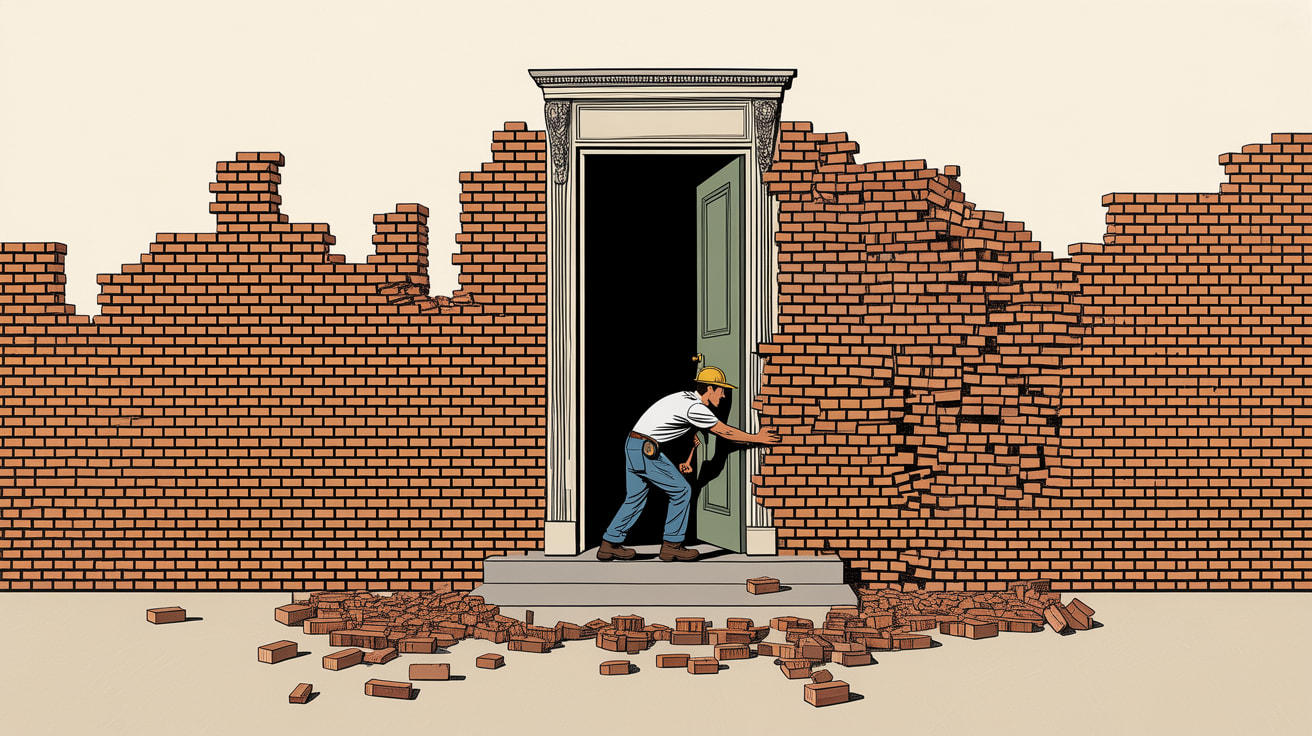
Accessibility in UX: Why It's an Operational Capability
Accessibility isn't a checklist item — it's core UX infrastructure. Here's why Southeast Asian digital teams must embed it operationally, not bolt it on.

Probabilistic UX Design: Building for Uncertainty in 2026
AI gives designers predictions, not certainties. Here's how probabilistic design thinking helps UX teams make smarter, more adaptive decisions in 2026.
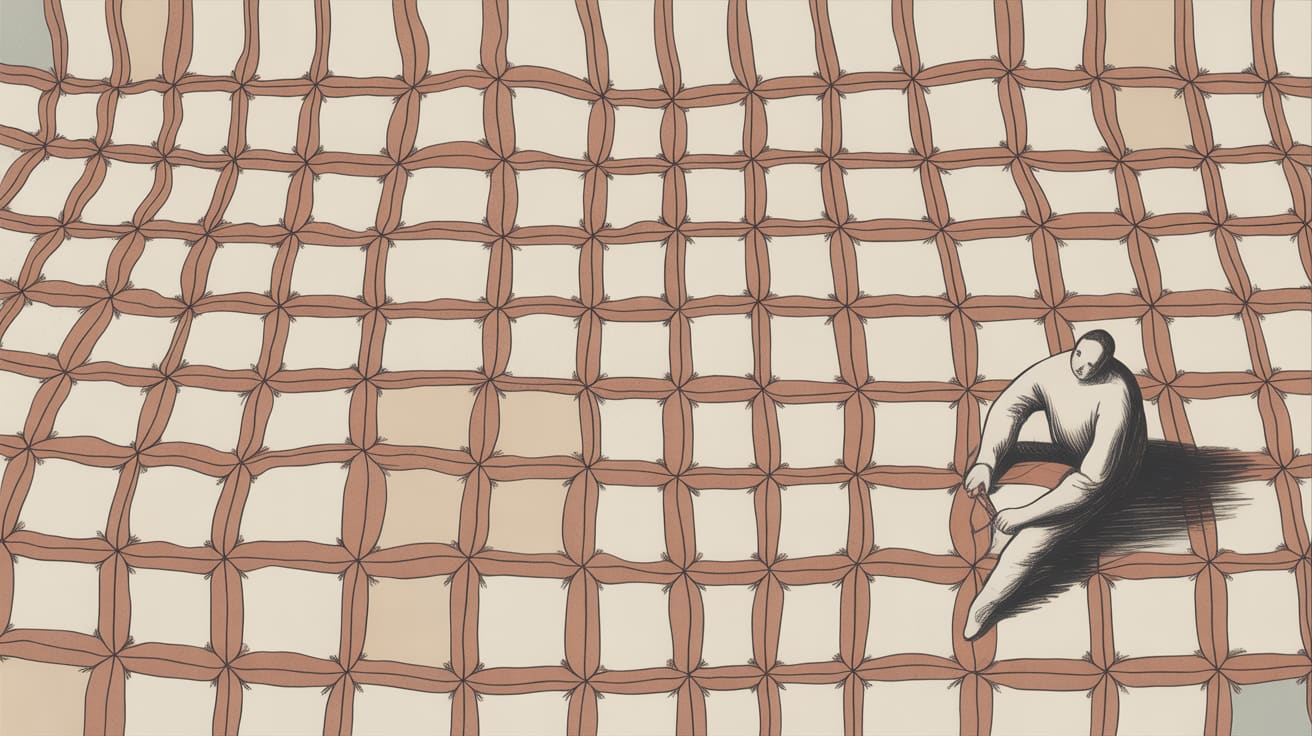
Why Handcrafted Design Still Outperforms AI Fluency
AI design is fluent, not distinctive. Here's why handcrafted imperfection and material honesty are becoming measurable competitive advantages in 2026.

Designing AI Trust: The UX Cost of Asking for Too Much
AI products that demand total data access are losing users at the consent screen. Here's how UX design can rebuild trust without killing personalisation.
Default Bias and Design Systems: Who's Setting Your UX?
Default bias shapes user behaviour more than most UX teams realise. Here's how to use it intentionally — and build design systems that scale the signal.

AI Chatbot UX Design: Rules That Actually Work in SEA
Three global frameworks for AI chatbot UX design — what Microsoft, Google, and IBM got right, and what SEA brands must add to make it work.
Why AI Design Tools Make Human Taste Your Sharpest Edge
AI design tools are multiplying fast. The brands winning in Southeast Asia aren't those moving fastest — they're those with the sharpest editorial judgment.