Disney's new CTO, publisher personalization doubts, and PubMatic's CTV move reveal a MarTech stack reckoning brands can't afford to ignore.
Three stories landed this week that, on the surface, look unrelated. Disney hires its first-ever CTO. Publishers start questioning whether newsletter personalization actually moves the needle. PubMatic rolls out show-level CTV targeting. Read them together, though, and a single thread runs through all of them: the industry is quietly admitting that capability acquisition got ahead of capability activation.
Disney’s CTO Appointment Is a Stack Consolidation Signal
Disney naming Karandeep Anand — former CEO of Character.AI — as its first company-wide Chief Technology Officer isn’t primarily a generative AI story, even if the headlines want it to be. The more significant detail is structural: enterprise technology, data, and AI are now under a single senior executive for the first time in Disney’s history. That’s a consolidation move.
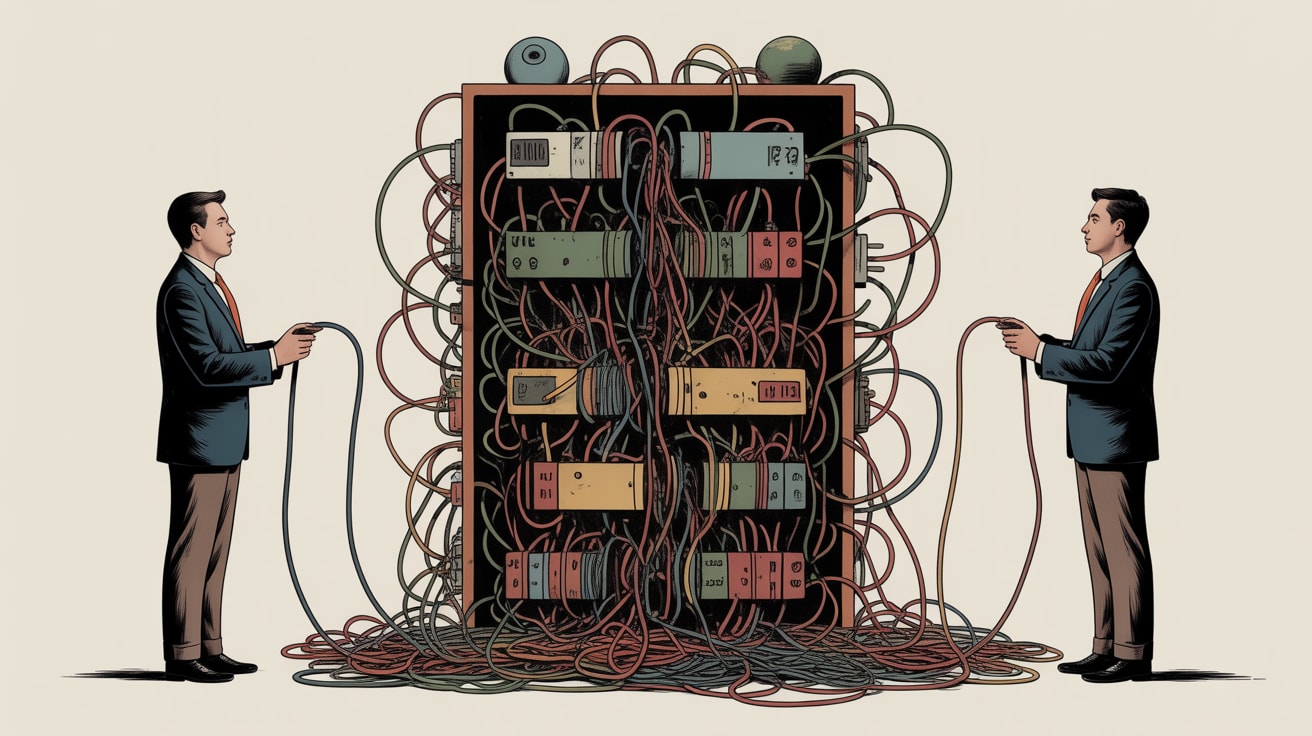
Large media and entertainment conglomerates typically accumulate technology in silos — streaming infrastructure here, parks tech there, ad sales platforms somewhere else entirely. The result is the same sprawl that plagues brand-side MarTech stacks across Southeast Asia: tools that don’t talk to each other, data that doesn’t flow, and AI initiatives that can’t scale because the plumbing underneath is fractured.
Anand’s mandate, reading between the lines, is less about building new things and more about making existing systems coherent. For marketing and growth leaders watching this, the implication is direct: unified data governance and consolidated technology ownership aren’t operational luxuries. They’re prerequisites for any meaningful AI or personalization play. Disney just made it a C-suite priority. The question is whether your organisation has.
Personalization’s ROI Problem — and What Publishers Are Really Saying
Digiday’s reporting on publisher newsletter personalization is worth sitting with, because the doubt being expressed isn’t about the technology — it’s about the return. Publishers are investing in personalizing content recommendations, send-time optimization, and segmented editorial tracks, then discovering that the lift in open rates or subscriber retention is marginal at best, unmeasurable at worst.
This is the personalization paradox that brand-side teams in Southeast Asia know well, even if they don’t always name it. A regional e-commerce brand running on Lazada or Shopee can personalize product recommendations algorithmically almost by default — the platforms do it for them. But owned-channel personalization, the kind that builds direct relationships through email, LINE OA, or app push, requires deliberate data architecture, content production capacity, and clear success metrics. Most teams have one of the three.
The harder question Digiday’s coverage surfaces: is personalization a differentiator, or has it become table stakes that readers and users simply expect without rewarding? If the latter, then incremental personalization investment has a diminishing return curve that most MarTech vendors aren’t incentivized to show you. The smarter brief for 2027 planning isn’t “more personalization” — it’s “which personalization signals actually predict revenue, and which ones just feel good to optimize.”
Show-Level CTV Targeting: Useful Precision or Premature Complexity?
PubMatic’s announcement that it now offers contextual targeting at the episode level for CTV inventory is technically impressive. AdExchanger reports that media buyers can now access CTV placements with show-level and episode-level control through PubMatic’s platform — moving beyond broad genre or channel targeting toward something closer to the contextual precision that premium direct buys have always offered, but at programmatic scale.
For advertisers in mature CTV markets — the US, parts of Australia — this is genuinely useful. Brand safety adjacent to specific content types matters. A financial services brand doesn’t want its pre-roll appearing before a true crime episode, regardless of how well the audience demographics match.
In Southeast Asia, the CTV landscape is still assembling itself. Platforms like Vidio in Indonesia, WeTV across the region, and the expanding streaming footprints of LINE TV and GrabTV mean that inventory is fragmented and measurement standards vary significantly. Show-level targeting is a capability worth understanding now, but most regional media plans aren’t yet sophisticated enough to operationalize it — and buying teams that chase this feature before solving basic cross-platform attribution will have precision targeting landing in a measurement blind spot.
The broader pattern here mirrors the personalization problem: new targeting capability that the technology can deliver, but that the surrounding infrastructure isn’t ready to evaluate properly.
The Activation Gap Nobody Wants to Invoice For
What Disney, the publisher personalization debate, and PubMatic’s CTV move share is an underlying tension between capability and activation. The tools exist. The features are real. The gap is in the connective tissue — the data governance, the measurement frameworks, the organizational alignment — that determines whether a new capability generates business outcomes or just generates a line item on a tech contract renewal.
For growth and marketing leaders in Southeast Asia, the practical audit question isn’t “what should we add to the stack?” It’s “what are we paying for that we haven’t genuinely activated?” Most stacks audited honestly will reveal personalization tools running on incomplete customer data, programmatic setups with targeting signals that aren’t connected to CRM, and attribution models that measure clicks rather than revenue.
Disney is spending to fix that at scale. Publishers are starting to ask the uncomfortable questions. PubMatic is offering sharper tools to buyers who are ready for them. The discipline is in knowing which of those three positions your team is actually in before the next budget cycle commits you to another capability you won’t fully use.
Key Takeaways
- Disney’s first CTO appointment signals that unified data and technology governance is now a strategic priority, not an operational preference — brand-side teams should treat it the same way.
- Publisher skepticism about personalization ROI reflects a wider industry reckoning: activation depth matters more than feature breadth, and most stacks have more unused capability than acknowledged.
- Show-level CTV targeting is a legitimate precision tool, but investing in it before solving cross-platform attribution in Southeast Asia is sequencing the problem backwards.
The uncomfortable truth most MarTech conversations avoid is that the stack you already have, properly activated, would probably outperform the stack you’re planning to buy. The industry’s next chapter isn’t about new capabilities — it’s about the organizational discipline to use the ones already running. What’s the one tool in your current stack that, if fully activated, would change your most important marketing metric?
At grzzly, we work with marketing and growth teams across Southeast Asia who are navigating exactly this — too much tech, not enough activation, and budget conversations that keep defaulting to acquisition over optimization. If your stack audit is overdue, or you’re not sure whether your current setup is built for the market you’re actually operating in, we should compare notes. Let’s talk
Sources

Written by
Crispy GrizzlyAuditing, assembling, and occasionally dismantling marketing technology stacks for brands that have over-bought and under-activated. Precision over proliferation.