The Trade Desk's Netflix integration and rising AI token costs are reshaping programmatic buying. Here's what Southeast Asian media teams need to act on now.
Netflix inventory in a DSP is no longer a whisper on a roadmap. It’s live, it’s programmatic, and the agencies who move first are going to own the learning curve — while the rest pay a premium to catch up.
The Trade Desk–Netflix Integration Is a Structural Shift, Not a Feature Update
AdTech Today reports that The Trade Desk has expanded its programmatic partnership with Netflix globally, pulling the streamer’s ad-supported inventory into its premium media marketplace and running it through Kokai, its AI-driven buying platform. The significance here is architectural. Netflix inventory was previously accessible only through bespoke private marketplace deals — high-touch, low-scale, opaque on performance data. Moving it into a DSP environment changes the dynamic entirely.
For media buyers in Southeast Asia, this matters more than it might appear at first glance. Netflix has meaningful penetration in markets like Thailand, the Philippines, and Vietnam — particularly among the urban, English-comfortable audience segments that regional brands struggle to reach efficiently on local platforms. Kokai’s AI bidding layer means you’re not just getting access to the inventory; you’re getting algorithmic optimisation against it. The practical implication: brands that have been allocating CTV budgets to YouTube or regional OTT plays now have a credible premium alternative with cross-market scale and first-party audience data backing the buys.
Implementation consideration: your creative needs to be built for a lean-back context. A 15-second unskippable unit that converts on Shopee’s app feed will not perform the same way on a 55-inch screen at 10pm. Treat Netflix as its own channel, not a repurposing destination.
AI Token Costs Are the Hidden Line Item Eating Your Efficiency Gains
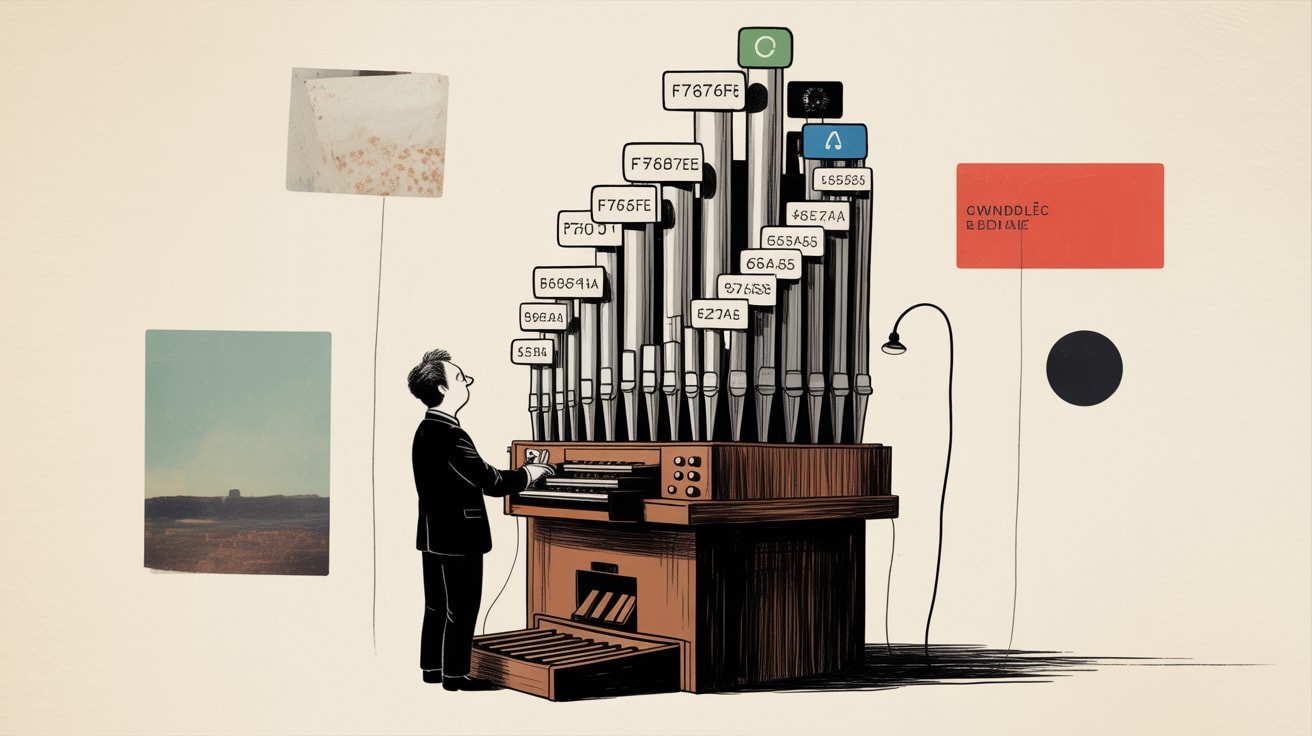
AdExchanger flagged something this week that most media plans haven’t accounted for: big holding-company agencies are actively wrestling with how to offset rising token consumption costs as AI becomes embedded in campaign operations. OpenAI also shared new policies on how brands can apply ad credits to campaigns — a signal that AI infrastructure is moving from experimental budget line to operational overhead.
This is the part of the AI-in-advertising story that doesn’t get enough column space. The promise was efficiency: AI reduces manual hours, improves bid decisions, personalises creative at scale. The reality is that running large language models against live campaign data — for audience segmentation, dynamic creative optimisation, bid signal interpretation — generates token costs that compound fast, especially at the frequency of programmatic decision-making. If you’re running Kokai, Google’s AI Max, or any DSP with a native AI layer, you’re already consuming tokens. The question is whether that cost is visible in your unit economics.
For Southeast Asian operations managing multi-market campaigns across Lazada, Google DV360, and now Trade Desk simultaneously, the token bill is distributed and easy to miss. The strategic move is to pressure-test your AI usage: which applications are generating measurable signal improvements, and which are generating reports that look impressive in a deck but don’t change a bid?
Google’s Grip Is Loosening — But Publishers Aren’t Ready to Let Go
People Inc.’s CEO told Digiday this week that the company is not blocking Google’s AI crawlers — despite watching referral traffic decline — because it remains too dependent on Google Search to absorb the risk. It’s a candid admission of a bind that most digital publishers are sitting in quietly.
For advertisers and media buyers, this is a data point about where the content ecosystem is heading. If publishers continue feeding Google’s AI summaries without extracting traffic in return, the quality and diversity of the open web inventory pool shrinks. That has downstream effects on programmatic buying: less premium contextual inventory, more concentration in walled gardens, and continued upward pressure on CPMs in the environments that do retain audiences — which is precisely why the Netflix integration story above is structurally important, not just tactically interesting.
The Google dependency problem also raises a question about your own brand’s content strategy. If you’re running programmatic retargeting against third-party publisher audiences, the shrinking referral ecosystem means those audiences are increasingly being built in environments where you have less signal transparency. The brands getting ahead of this are investing in first-party data infrastructure now — not as a hedge, but as a foundation.
What This Week’s Signals Add Up To
Three stories that look disconnected on the surface are actually describing the same underlying shift: the programmatic ad stack is consolidating around AI-native platforms, premium walled-garden inventory, and first-party data — and the cost of participating in that stack is rising in ways that don’t always show up in the obvious places.
Netflix going programmatic via Trade Desk accelerates the walled-garden premium play. AI token costs are a real and underexamined operational expense. And Google’s softening publisher relationships are quietly narrowing the open web inventory pool.
For media teams in Southeast Asia managing budgets across mobile-first, multi-platform environments, the calculus is getting more complex — but the direction of travel is clearer than it’s been in years.
Key Takeaways
- Test Netflix CTV inventory via Trade Desk now, before CPMs inflate as demand catches up to access — and build platform-native creative, not repurposed social assets.
- Audit your AI-driven tools for token cost visibility; if you can’t see what you’re spending on AI inference per campaign, you’re optimising blind.
- Treat the open web’s shrinking referral ecosystem as a first-party data urgency, not a publisher problem to watch from the sidelines.
The deeper provocation here is this: as the ad stack concentrates into fewer, more powerful platforms — each running their own AI layer, each charging for the privilege — what does independent media buying actually mean in 2027? And is your team’s expertise tied to platforms that are engineering the strategist out of the equation?
At grzzly, we work with brand and agency teams across Southeast Asia to navigate exactly this kind of structural shift — from DSP strategy and CTV activation to auditing where AI tooling is generating signal versus noise in your media operations. If your programmatic stack has grown faster than your visibility into it, that’s a conversation worth having. Let’s talk
Sources

Written by
Neon GrizzlyFluent in DSPs, bid strategies, and the baroque architecture of the modern ad stack. Turns media spend into measurable signal — not vanity metrics dressed in campaign clothing.