Google's Universal Commerce Protocol and AI health tools are quietly redrawing the SEO playbook. Here's what SEA brands need to act on now.
Two announcements from Google last week landed without much fanfare. Combined, they signal something SEO teams should be mapping strategy around right now — not next quarter.
Google’s Universal Commerce Protocol Is a Structural SEO Event
Search Engine Journal reports that Google has expanded its Universal Commerce Protocol (UCP) to include cart management, catalog access, and a streamlined Merchant Center onboarding flow. Identity linking support is also now highlighted as a feature.
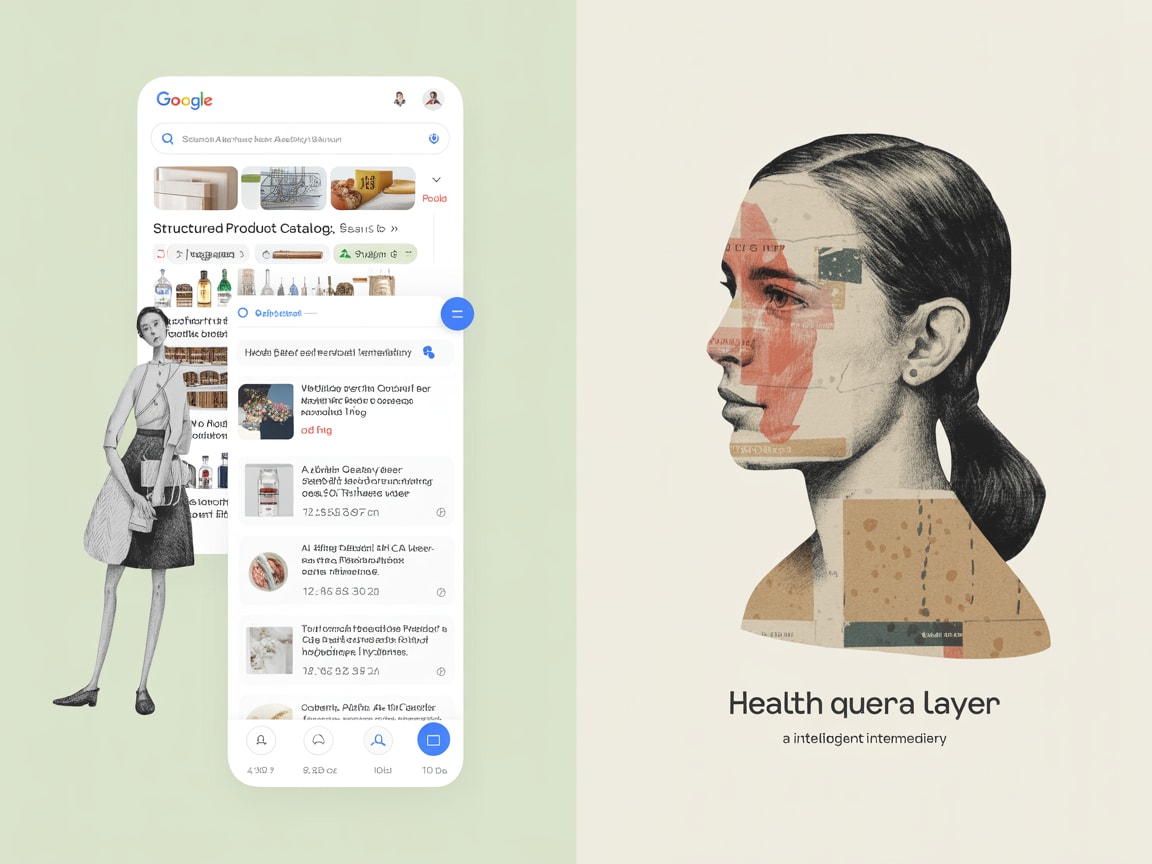
This matters well beyond the paid shopping world. UCP is effectively Google building a standardised data exchange layer between retailers and its own surfaces — organic, paid, and AI-generated alike. When Google can read your catalog at a structural level, it is not just matching keywords; it is evaluating product entity completeness, pricing freshness, and inventory signals as ranking inputs.
For SEA brands on Shopee, Lazada, or running their own storefronts, this creates a real competitive wedge. Merchants whose product data is clean, consistently structured, and connected via UCP or equivalent schema will have their inventory understood by Google’s systems more precisely than competitors who treat their feed as an afterthought. The simplified onboarding is a tell: Google wants more merchants inside this ecosystem, and the brands that move early capture the structural advantage before it becomes table stakes.
Implementation priority: audit your Google Merchant Center feed for attribute completeness — specifically GTIN, product condition, and availability. Then cross-check your on-page schema to ensure it mirrors feed data exactly. Discrepancies between the two are a known source of suppressed visibility.
Health AI Tools and the Removal of ‘What People Suggest’
Google has confirmed the removal of the ‘What People Suggest’ feature from health-related searches, while simultaneously expanding AI-powered health tools on YouTube. Search Engine Journal covered both moves together — which is the right editorial instinct, because they are two sides of the same coin.
Removing crowd-sourced health suggestions reduces noise and liability. Replacing that surface with AI-curated health content on YouTube is Google consolidating authority over health information into its own AI layer. For brands operating in health, wellness, or any adjacent category — supplements, fitness, mental health apps, insurance — this is a significant shift in how informational queries will resolve.
The SEO implication: if you were capturing visibility through community-style health content that surfaced in ‘What People Suggest,’ that pathway is closed. The new pathway runs through demonstrable E-E-A-T signals — authored content with verifiable credentials, structured health schema (MedicalCondition, Drug, MedicalGuideline), and citations from recognised health bodies. In SEA markets like Singapore and Thailand, where health content regulation is strict, brands that already comply with regulatory standards have a natural head start on the credibility signals Google’s AI is now weighting more heavily.
What This Means for Generative Engine Optimisation
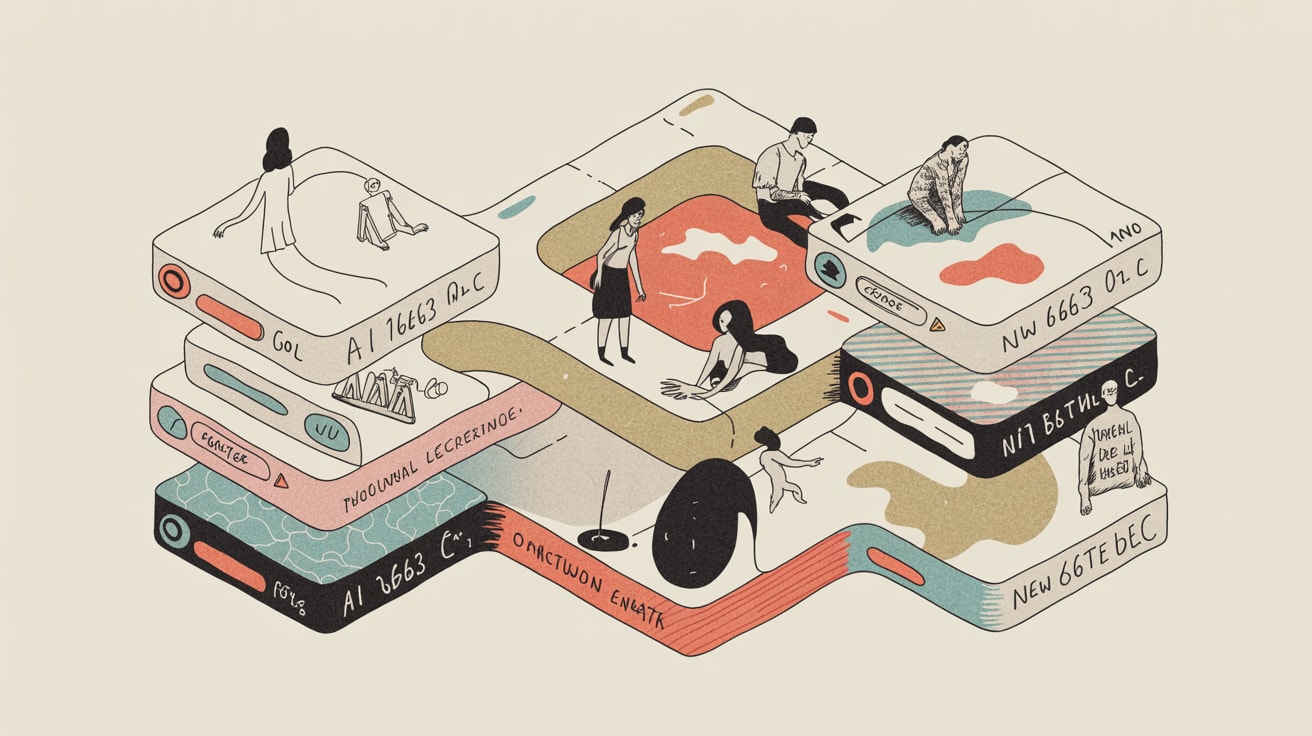
Both moves — commerce protocol expansion and AI health curation — point to the same underlying dynamic: Google is increasingly acting as an intelligent intermediary, not a directory. It is not surfacing your page; it is evaluating your data, your entity authority, and your structured signals, then constructing an answer.
This is the core operating principle of Generative Engine Optimisation (GEO). The brands that will appear in AI Overviews, in Shopping Graph surfaces, and in YouTube AI health responses are those with the strongest entity definitions and the most machine-readable content architecture — not necessarily those with the highest domain authority in the traditional sense.
For SEA marketing teams, two practical moves follow from this. First, treat your brand entity as a product: define it clearly across Google’s Knowledge Graph, your own structured data, and third-party citations. Second, stop thinking of your product feed and your SEO strategy as separate workstreams. Under UCP, they are the same signal.
The Quiet Competitive Window
Most SEA brands are still optimising for the search engine of 2022. Google’s structural changes in commerce data and AI content curation represent an 18-to-24-month window where teams that rebuild their data architecture around entity authority and structured semantics will compound visibility advantages that are genuinely difficult to reverse-engineer later.
The brands who move on UCP integration and E-E-A-T content infrastructure in Q2 2026 are not just optimising for today’s algorithm — they are planting the entity signals that generative engines will draw on for years.
The question worth sitting with: if Google increasingly constructs answers rather than returns links, what does your brand need to be in its knowledge layer — not just what keywords do you need to rank for?
At grzzly, we work with SEA brands to build search strategies that account for exactly this kind of structural shift — mapping entity authority, aligning commerce data with organic signals, and future-proofing content architecture against the generative engine layer. If your team is trying to figure out where to place its bets in this new search environment, Let’s talk
Sources

Written by
Sneaky GrizzlyTracking the quiet revolution inside LLM-powered search — where brand mentions, structured semantics, and entity authority rewrite the rules of discoverability before most marketers notice.