Social media ROI depends on brand equity built offline. Here's what the 2026 data says about AI, channel hierarchy, and where SEA brands go wrong.
Social media spend across Southeast Asia keeps climbing, yet a quiet frustration persists in almost every brand review I’ve sat through: organic reach is flat, paid efficiency is declining, and the accounts that seem to break through are — inconveniently — the ones that were already famous before they posted anything.
That’s not a coincidence. It’s a structural reality that most digital strategies are still built to ignore.
Social Amplifies. It Rarely Originates.
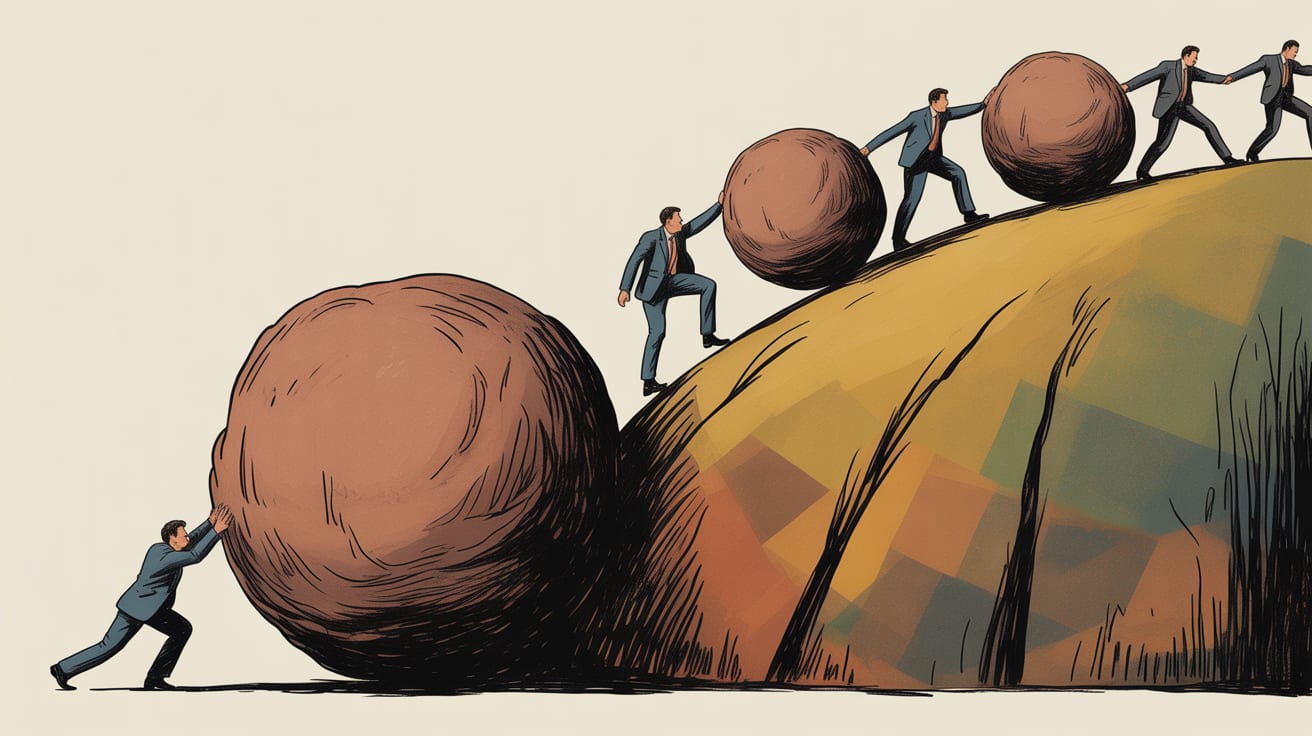
Campaign Live’s recent editorial put it plainly: social media success disproportionately favours brands that have already earned cultural weight through traditional media. The channels aren’t in competition — they’re in hierarchy. And pretending otherwise produces strategies that burn media budget chasing engagement that was never going to materialise organically.
The evidence is visible in Southeast Asia’s most-followed brand accounts. Grab, Shopee, and BPI (Bank of the Philippine Islands) don’t dominate TikTok or Instagram because they cracked the algorithm — they dominate because millions of people already have opinions about them formed through lived experience, outdoor advertising, word-of-mouth, and years of mass media. Social is where that pre-existing relationship gets expressed, not where it’s built.
The implication for mid-market brands is uncomfortable: if you haven’t invested in brand-building channels — broadcast, OOH, creator partnerships at scale, PR — your social strategy is working against a structural headwind. You’re not just competing with other brands’ content. You’re competing with the absence of recognition.
The AI Productivity Wedge Is Real — But Uneven
Social Media Examiner’s 2026 AI Marketing Industry Report contains a finding that should reframe how marketing teams think about resourcing: two years ago, roughly one in three marketers used AI daily. Today, that figure is nearly three in four. That’s not adoption — that’s normalisation.
For small businesses and lean digital teams in Southeast Asia, this matters enormously. AI-assisted content production, audience segmentation, and performance analysis aren’t competitive advantages anymore — they’re table stakes. The question isn’t whether your team is using AI; it’s whether they’re using it on the right problems.
The failure mode I see most often: teams deploying AI to accelerate content volume while the strategic problem — weak brand positioning, unclear audience, misaligned channel mix — remains untouched. You end up with faster production of content that still isn’t working. AI is a force multiplier. It multiplies whatever strategic clarity — or confusion — already exists in your system.
The smarter application for resource-constrained teams: use AI to compress the research and briefing cycle, not just the execution. A well-prompted AI can synthesise competitor positioning, surface audience sentiment patterns from social listening data, and stress-test a campaign concept in the time it used to take to schedule a briefing meeting.
The CRM Blind Spot in Brand Activation
Here’s the thread that connects brand strategy to social performance that rarely gets discussed in the same conversation: customer relationship data.
HubSpot’s analysis of CRM adoption in the insurance sector illustrates a dynamic that applies far beyond insurance. Agents — and by extension, brand teams — cannot manually manage the full arc of a customer relationship: acquisition, onboarding, nurture, retention, renewal. The relationships that feel personal at scale are the ones supported by systematic data infrastructure underneath.
For brands running social and digital campaigns in Southeast Asia, the equivalent gap is this: most teams optimise for top-of-funnel metrics — reach, engagement, follower growth — while the CRM layer that would tell them which of those interactions converted, retained, or churned is either disconnected or non-existent. You end up with social analytics that look impressive in a deck and revenue data that doesn’t reflect it.
The fix isn’t glamorous. It requires UTM discipline, CRM integration with campaign platforms, and a shared definition between marketing and commercial teams of what a qualified lead or retained customer actually looks like. Platforms like Salesforce Marketing Cloud and HubSpot now have native integrations with LINE OA and Shopee’s seller ecosystem — the infrastructure exists. The organisational will to implement it is usually what’s missing.
Where The Three Threads Converge
Pull these three data points together and a single strategic picture emerges:
Brands that are winning in 2026 have done three things simultaneously. They’ve built brand weight through channels that earn cultural presence — not just digital impressions. They’ve normalised AI across their marketing operations, freeing human bandwidth for strategy rather than production. And they’ve closed the loop between campaign activity and customer data, so they can actually measure which brand investments translate into commercial outcomes.
The brands that are struggling have typically done one of these things in isolation and wondered why it didn’t work. Social-first brands with no offline equity. AI-enabled teams producing better content nobody trusts yet. CRM-heavy operations with rich data and no compelling brand story to attach it to.
None of these are novel observations in isolation. The novelty — and the difficulty — is in holding all three as a coherent system rather than a portfolio of disconnected initiatives.
Key Takeaways
- Social media is a resonance amplifier, not a brand-building engine — invest in cultural weight before optimising channel performance.
- AI’s productivity gains are real, but applying them to a broken strategy produces faster failure; audit your strategic clarity before your toolstack.
- Closing the loop between social engagement and CRM data is the single highest-leverage infrastructure investment most SEA digital teams haven’t made yet.
The honest question worth sitting with: if your brand went dark on social for 90 days, would your customers notice — or would they simply not think about you at all? The answer to that tells you more about your brand’s actual equity than any engagement rate ever will. And it tells you exactly where the real work needs to happen.
At grzzly, we work with brand and growth teams across Southeast Asia who are wrestling with exactly this — the gap between digital activity and brand outcomes that actually show up commercially. If you’re trying to build a strategy that connects cultural presence to measurable growth, we’d rather show you how we think about it than describe it. Let’s talk
Sources

Written by
Plot GrizzlyDocumenting the campaigns, systems, and decisions that actually moved the needle — with the intellectual honesty to include what failed and why. Narrative rigour as a professional standard.