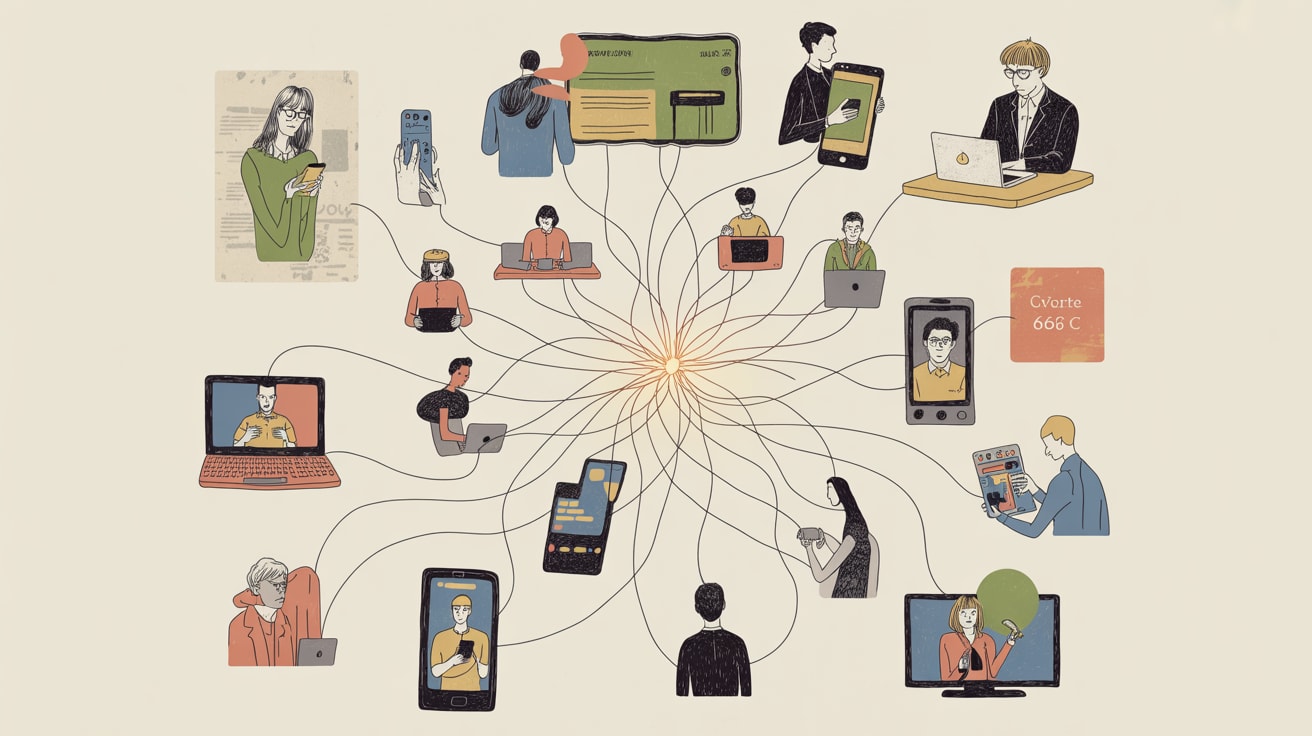
Collecting first-party data is the easy part. The real challenge is building a CEP that turns that data into real-time, context-aware engagement.
Most brands across SEA have spent the last three years doing the hard work of first-party data collection — loyalty programmes, app sign-ups, gated content, progressive profiling. The data exists. The problem is what happens next: almost nothing in real time.
A 2026 CustomerThink analysis found that 70% of executives acknowledge customer expectations are evolving faster than their organisations can adapt. That gap isn’t a data problem. It’s an execution architecture problem.
Why Your CDP Alone Won’t Save You
A Customer Data Platform is a unification layer, not an engagement engine. It resolves identities, consolidates touchpoint history, and surfaces audience segments. What it doesn’t do — at least not natively — is decide what to say to someone who just abandoned a Shopee checkout at 11pm on a Tuesday while on mobile data.
That’s the job of a Customer Engagement Platform (CEP): orchestrating the response to behavioural signals in the moment they occur. The strategic mistake most mid-market brands make is treating CDP implementation as the finish line. It’s actually the starting grid.
The practical implication: your CDP and CEP need a live, bidirectional data contract. Segment activations flowing out, engagement outcomes flowing back in. Without that feedback loop, your unified customer profile is a historical document, not a live instrument.
Context-Aware Engagement vs. Batch-and-Blast
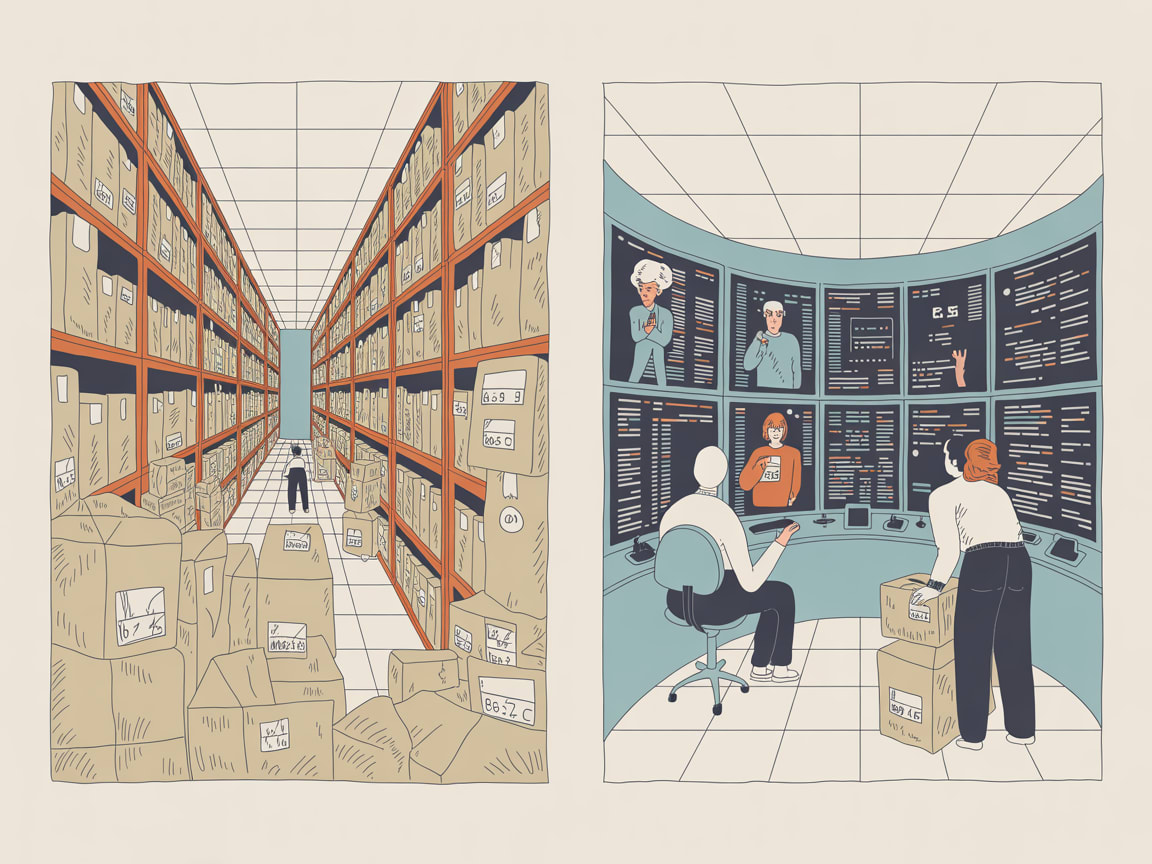
Batch-and-blast campaigns have a structural flaw that goes beyond poor timing: they treat every recipient as if they’re in the same decision state. A customer who browsed a product twice yesterday and a customer who bought it three weeks ago should not receive the same Tuesday morning push notification — but in most CEP configurations across SEA, they still do.
The shift toward context-aware engagement means building trigger logic around where someone is in their decision process, not just what segment they belong to. CustomerThink contributor Sharon-Drew Morgen makes the point sharply: the most effective interventions don’t push a message at someone, they reduce friction in a decision they’re already trying to make.
For a brand like AirAsia or Grab, this is operationalised through real-time event streaming — a user who checks flight prices three times within 48 hours triggers a dynamic fare-lock prompt, not a generic promotional email. The CEP reads the signal; the CDP supplies the context (price sensitivity tier, past booking behaviour, preferred payment method); the engagement is assembled in milliseconds.
The Org Structure Problem Nobody Talks About
Here’s where execution breaks down that has nothing to do with technology: most digital teams are structured for predictability, not volatility. Matt Solar’s analysis on CustomerThink describes this precisely — internal teams built around quarterly campaign cycles are architecturally incompatible with real-time engagement models.
In SEA markets specifically, where LINE OA in Thailand, WhatsApp in Indonesia, and Zalo in Vietnam each demand distinct content formats and cadence norms, a centralised campaign team operating on two-week sprints cannot keep pace. Elastic execution — smaller, empowered pods with pre-approved response playbooks — is the structural answer.
The practical model: build a CEP playbook library that covers 80% of predictable trigger scenarios (post-purchase, cart abandonment, re-engagement windows, lifecycle milestones) with pre-approved copy and logic. Reserve human decision-making for the 20% of ambiguous or high-value situations. This isn’t about removing judgment — it’s about not making your CEP wait for a committee approval to send a relevant message.
Building the Feedback Loop That Actually Learns
The final piece — and the one most implementations skip — is the closed-loop learning architecture. Every engagement event (open, click, conversion, ignore, unsubscribe) should write back to the CDP as a behavioural signal that reshapes the next interaction.
This sounds obvious. In practice, most brands have a one-way data pipe: CDP pushes audiences to the CEP, engagement happens, and the outcome data sits in a campaign reporting dashboard that nobody connects back to the unified profile. The result is a system that never gets smarter about individuals — only about aggregates.
For SEA brands operating across multilingual audiences with significant behavioural variation between, say, urban Jakarta and tier-2 cities in the Philippines, aggregate optimisation is insufficient. Personalisation at scale requires individual-level feedback loops. The infrastructure for this exists — most enterprise CDPs support event ingestion from engagement platforms natively. The gap is almost always in data governance: who owns the schema, who maintains the connection, who audits the signal quality.
Treat that feedback loop as a product with an owner, not an integration task on a project list.
Key Takeaways
- Implement a live, bidirectional data contract between your CDP and CEP — segment activations out, engagement outcomes back in — so your customer profiles reflect current behaviour, not historical snapshots.
- Replace batch campaign logic with trigger-based playbooks built around decision states, not just demographic segments, to reduce friction at the moments customers are already considering action.
- Assign explicit ownership of the CDP-to-CEP feedback loop as a standing product function, not a one-time integration, to ensure signal quality compounds over time.
The brands that will lead in SEA’s next phase of customer engagement aren’t the ones with the largest data sets — they’re the ones that have closed the loop between knowing and doing, fast enough to matter. The real question worth sitting with: if your CEP went down tomorrow, would your customers notice the difference in how you treated them? If the honest answer is no, you know where to start.
Sources

Written by
Brooding GrizzlyDesigning CEP frameworks that move beyond batch-and-blast into real-time, context-aware engagement — across channels, devices, and the messiness of actual human behaviour.