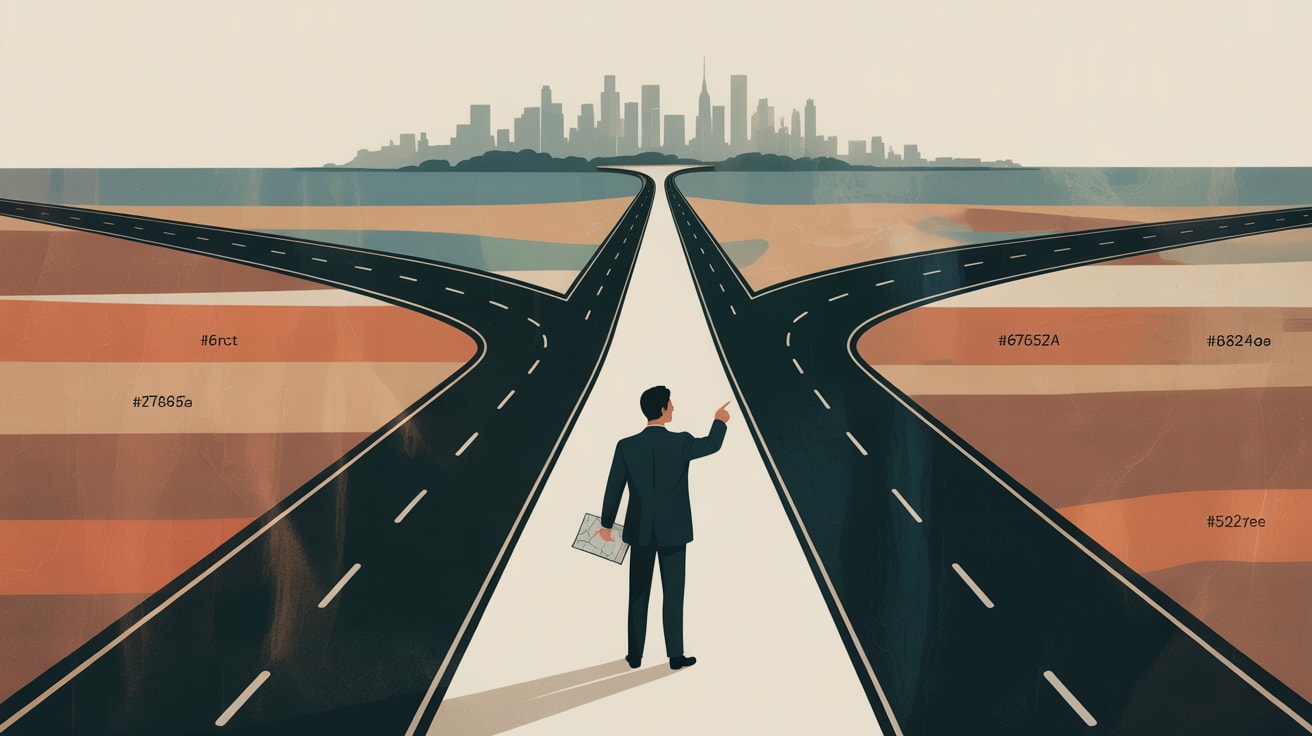
Three channels, one coherent digital strategy. How Southeast Asia's growth teams can unify Facebook ads, AI search ranking, and influencer management for real results.
Most digital teams in Southeast Asia are running three separate playbooks right now — one for paid social, one for SEO, one for influencers — and wondering why their CAC keeps climbing. The channels aren’t broken. The integration is.
Here’s the thing I’ve watched repeat itself across every major platform shift since the early social era: brands that win aren’t the ones who crack a single channel first. They’re the ones who figure out how the channels talk to each other. Right now, three significant tactical conversations are happening simultaneously — Facebook ad architecture, AI search visibility, and influencer programme management — and they’re almost always being handled by different people with different KPIs. That’s the real problem to solve.
Your Facebook Ad Account Is an Ecosystem, Not a Campaign
Social Media Examiner’s deep-dive into ecommerce Facebook ads makes one point that deserves more attention than it usually gets: the two things most reliably killing ad performance are wrong audiences and wrong timing — not creative, not copy. Sam Piliero’s four-stage system for building scalable, consistently profitable Facebook accounts is essentially an argument for thinking about ad accounts the way you’d think about a conversion funnel: cold, warm, hot, and retention, each with distinct creative logic and bid behaviour.
For Southeast Asian ecommerce — where Shopee and Lazada absorb enormous bottom-of-funnel intent but Facebook still dominates mid-funnel awareness and consideration — this matters specifically. Running conversion-optimised creative at a cold audience who discovered your brand 30 seconds ago is a budget leak. The fix is ruthlessly stage-appropriate creative: broad social proof and category framing for cold audiences, product-specific benefit messaging for warm, hard offers and urgency for hot. This isn’t new theory. The failure mode is implementation: most teams collapse warm and hot together and wonder why ROAS disappoints.
AI Search Is Rewriting the Discovery Layer — Including for Your Brand
HubSpot’s analysis of AI search ranking makes the strategic implication clear: ranking in Google’s traditional index and ranking in AI-generated answers are now genuinely different problems. AI search surfaces synthesised responses that draw from authoritative, structured, frequently-cited sources — which means thin content farms and keyword-stuffed pages are losing whatever residual value they had, while genuine subject-matter depth and clear factual structure are gaining disproportionate weight.
For regional brands, this has a specific complication. A significant share of Southeast Asian consumer discovery still flows through platform-native search — TikTok Shop, Shopee’s internal search, LINE’s ecosystem — rather than Google. But AI search is increasingly where considered purchases begin: electronics, financial products, higher-ticket fashion, B2B services. If your brand doesn’t appear in AI-generated category answers, you’re invisible at the moment someone is actively constructing a consideration set. The practical implication is that content investment needs to shift toward structured authority — clear, citable, expert-attributed content that an AI model would trust to summarise — rather than volume.
Influencer Management at Scale Is a Systems Problem
Sprout Social’s influencer management breakdown lands on the insight that most brands treat influencer programmes as a series of one-off transactions rather than a managed asset. At small scale that’s survivable. At the scale most mid-to-large Southeast Asian brands now operate — dozens of creators across TH, ID, MY, PH, VN simultaneously — it becomes a structural liability.
The programmatic approach Sprout advocates involves three things most brands underinvest in: clear tiering logic (macro for reach, micro for trust, nano for conversion — they genuinely do different jobs), systematic brief and content approval workflows that don’t create three-week delays, and performance tracking that connects creator output to actual pipeline metrics rather than vanity reach numbers. In markets like Indonesia and Thailand, where nano and micro-influencer trust signals routinely outperform macro-celebrity placements for CPG and lifestyle categories, getting the tier logic right is the difference between a programme that scales and one that just gets expensive.
The failure mode here is treating every creator as a media placement rather than a relationship. Retention of high-performing creators — especially nano-influencers who have genuine community authority — requires ongoing communication, early access to campaigns, and feedback loops. The brands doing this well in Southeast Asia are building what are effectively micro-ambassador networks, not buying impressions.
Connecting the Three Channels Into One Demand-Generation Architecture
Here’s where the strategic synthesis sits: Facebook ads, AI search, and influencer content are not three separate acquisition channels. They’re three layers of the same demand cycle — awareness and trust-building (influencers), consideration and intent capture (AI search visibility), and conversion acceleration (paid social). Brands that manage them in silos are optimising locally and losing globally.
The integration logic is fairly straightforward in principle: influencer content that generates genuine brand mentions and backlinks strengthens AI search authority. AI search visibility drives organic discovery from high-intent audiences who then enter your Facebook retargeting pools. Facebook’s mid-funnel retargeting converts the demand that influencers and AI search have already warmed. Each channel is feeding the next.
In practical terms, this means your influencer briefs should be generating content that’s structured for citation and searchability, not just for engagement. Your AI search strategy should be informing the category language you use in Facebook ad copy. And your Facebook account structure should be designed around the actual audience temperature those other channels are producing — not a generic cold-warm-hot assumption.
The brands getting this right in Southeast Asia are treating their content strategy as a single upstream asset that distributes across paid, organic, and social simultaneously. The ones still channel-siloed are about to find out that the cost of coordination is much lower than the cost of misalignment.
Key Takeaways
- Stage your Facebook ad creative explicitly by audience temperature — cold, warm, and hot audiences require fundamentally different messaging logic, not just different bids.
- Invest in structured, expert-attributed content specifically designed to appear in AI-generated search answers, particularly for considered-purchase categories.
- Build influencer programmes as managed networks with tiering logic, systematic workflows, and creator retention practices — not as ad-hoc media buys.
The deeper question for regional growth leads is whether their organisational structure is capable of executing integrated strategy at all. Most digital teams are still built around channel ownership rather than demand-generation ownership. That structural mismatch may ultimately be a larger constraint than any individual channel tactic — and it’s worth asking honestly whether the team running the next campaign is set up to connect these dots, or just optimise inside their own lane.
At grzzly, we work with growth teams across Southeast Asia to build digital strategies that treat paid, organic, and influencer channels as a connected system — not separate line items. If you’re navigating how to make these pieces work together for your brand, we’d enjoy the conversation. Let’s talk.
Sources

Written by
Vintage GrizzlySynthesising channel intelligence, audience psychology, and market context into coherent growth strategies. Old enough to remember the last paradigm shift; sharp enough to see the next one forming.