
Yoast's schema aggregator signals a shift in how search engines verify authority. Here's what entity clarity means for your SEO and AEO strategy in 2026.
When Yoast released its Schema Aggregator feature, most coverage treated it as a plugin update. It’s actually a weather report — and the storm it’s describing has been building for two years.
What Entity Disambiguation Actually Means for Search Visibility
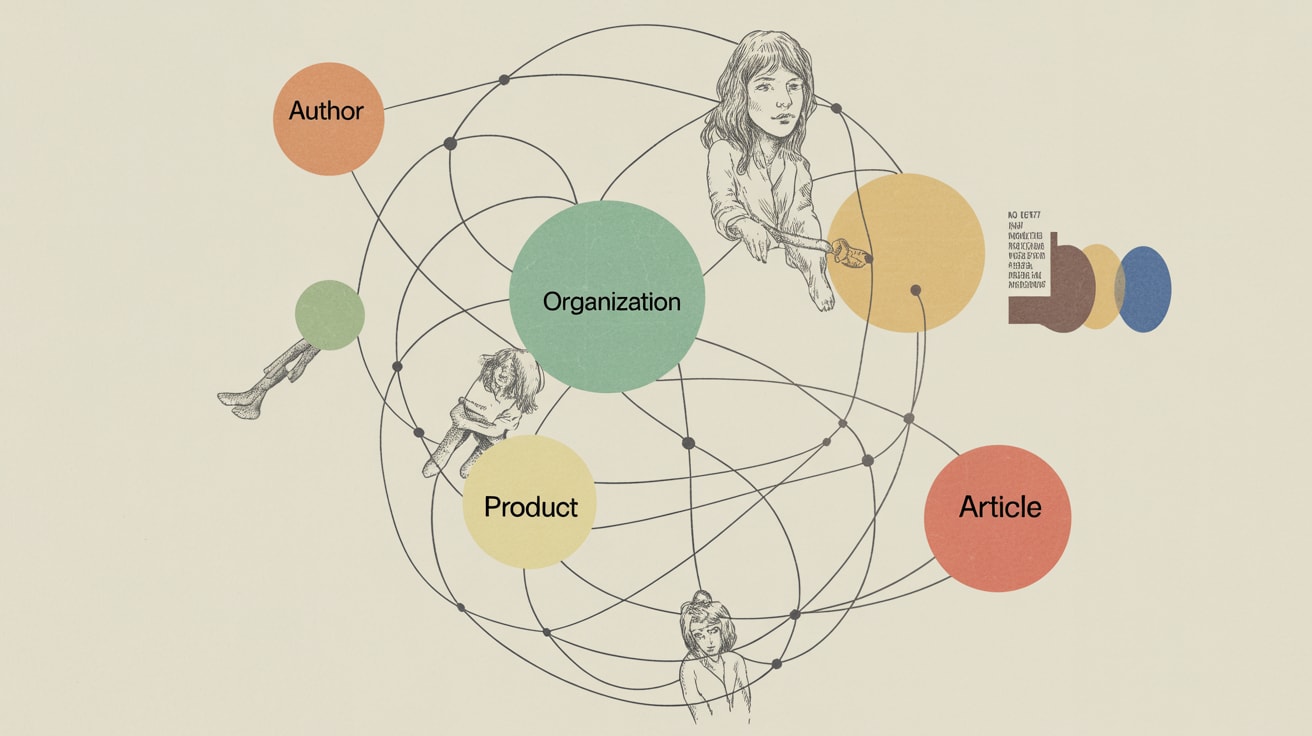
Search Engine Journal reports that Yoast SEO’s new Schema Aggregator consolidates site-wide schema markup and disambiguates entities — authors, articles, products, organisations — into a single coherent structure that search engines can parse without ambiguity. That last phrase is the one worth sitting with.
Traditional SEO optimised for keywords. Answer Engine Optimisation, the discipline governing how AI systems like Google’s SGE, Perplexity, and emerging regional players in SEA decide what to cite, optimises for entity clarity. An AI doesn’t just want to know that you wrote something. It wants to know, with confidence, which Roger Montti authored this article, that this Roger Montti is the same entity linked to these credentials, and that this organisation is a verified, non-ambiguous publisher. Disambiguation is the machine’s trust signal.
For brands operating across SEA’s multilingual markets — where the same company might appear as “Tokopedia”, “ท็อคโพเดีย”, or “토코피디아” depending on the market — entity consolidation isn’t theoretical. It’s the difference between being cited by an AI assistant and being invisible to one.
The Technical Debt That’s Quietly Costing You Citations
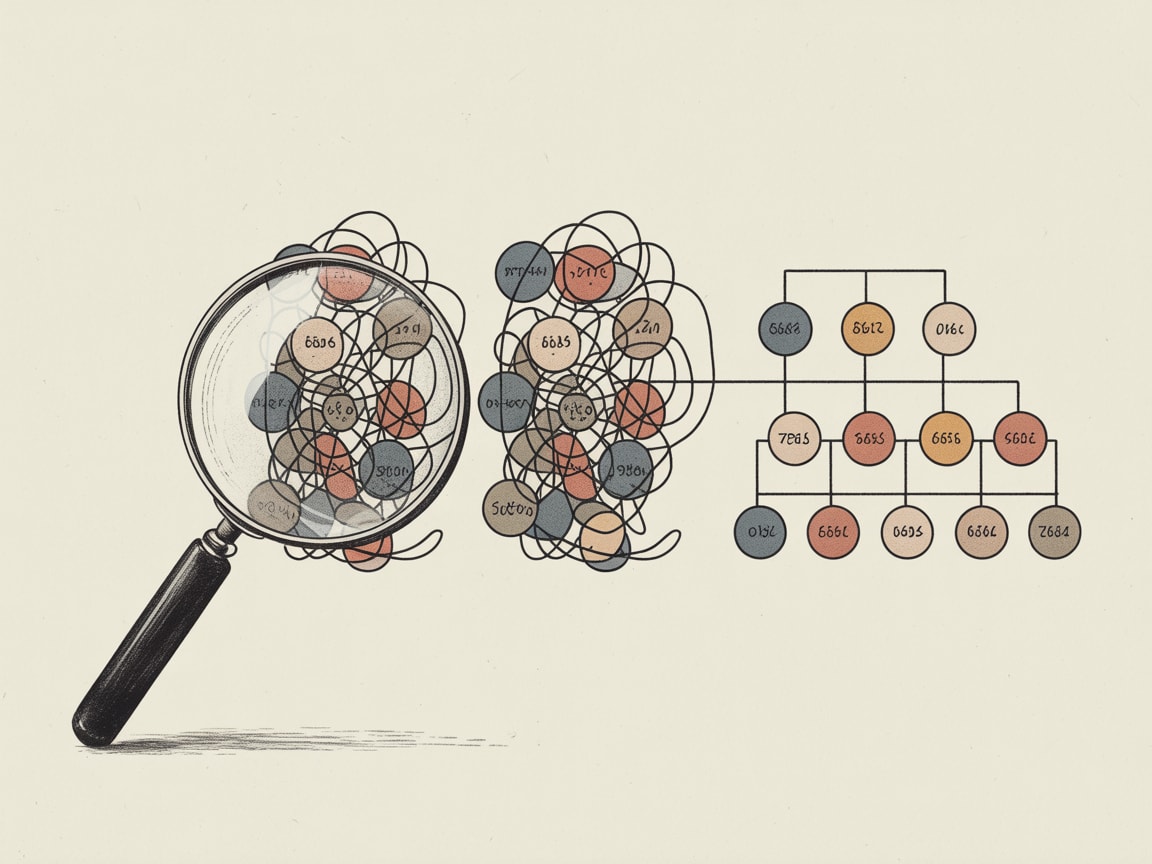
Here’s the uncomfortable reality: most mid-size brand websites have schema chaos. Product pages declare one organisation entity. Blog posts declare another. Author profiles are either absent or inconsistent. The result is that crawlers and AI systems encounter the same brand as multiple, unrelated entities — and when machines can’t confidently resolve who you are, they default to sources that make it easy.
This is compounded by a security risk that often goes unexamined alongside schema hygiene. The recent Seraphinite Accelerator vulnerability — two flaws affecting up to 60,000 WordPress installations, as reported by Search Engine Journal — is a useful reminder that technical site health and search visibility are not separate conversations. A compromised site doesn’t just risk data; it risks the integrity of the structured data signals you’ve spent months building. If injected code corrupts your schema output, your entity graph becomes noise.
For SEA marketing teams managing WordPress-heavy stacks across multiple country domains — a genuinely common setup — this means schema audits and security patch cycles need to be on the same calendar, not siloed in different teams.
How AI-Cited Authority Is Reshaping the Search Funnel
The practical implication of entity disambiguation goes beyond organic rankings. In a GEO (Generative Engine Optimisation) context, the question is no longer just “do we rank?” but “are we cited when someone asks an AI a question our brand should answer?”
Google’s AI Overviews, Perplexity’s answer cards, and LINE’s integrated search features in Thailand and Japan all pull from entity-verified sources with measurable preference. Research from early SGE rollouts showed AI systems disproportionately citing sources with clean, interconnected schema — sources where the knowledge graph could trace a clear line from article to author to organisation to topical authority.
For a financial services brand in Indonesia or a regional e-commerce player on Lazada, this creates a concrete strategic priority: your organisation’s entity — legal name, local business registration, regional office addresses — needs to be expressed consistently in schema across every digital property. Not as an SEO checkbox, but as the credential you present to machines making real-time citation decisions.
The implementation path is more tractable than it sounds. Tools like Yoast’s aggregator handle much of the consolidation at the WordPress layer. The harder work is upstream: auditing what entity data actually exists, resolving conflicts between regional domains, and ensuring your author profiles are linked to verifiable external references — Wikipedia entries, Google Knowledge Panel claims, industry directory listings.
Building an Entity-First Search Strategy for 2026
The brands that will dominate AI-cited search results in SEA over the next 18 months won’t necessarily be the ones with the most content. They’ll be the ones machines can verify fastest.
Three implementation priorities stand out. First, conduct a schema entity audit across all domains — map every instance where your organisation, authors, and products are declared, and identify conflicts. Tools like Schema Markup Validator and Google’s Rich Results Test give you a starting point, but manual cross-domain review is unavoidable for multi-market operations.
Second, establish external entity anchors. A verified Google Business Profile, a Wikidata entry for your organisation, and consistent NAP (name, address, phone) data across regional directories create the off-site signals that allow search engines to triangulate and confirm your entity identity. This matters doubly for local SEO in markets like Vietnam and the Philippines, where local pack visibility is still a primary acquisition channel.
Third, integrate security patch governance into your schema maintenance cycle. A single plugin vulnerability on a WordPress multisite can propagate corrupted schema across dozens of URLs simultaneously. Your schema is only as trustworthy as the infrastructure delivering it.
Key Takeaways
- Consolidate your site’s schema entities now — authors, organisations, and products declared inconsistently across domains are actively undermining your AI citation eligibility.
- Treat security patch cycles as a schema integrity issue, not just an IT concern — vulnerable plugins can corrupt the structured data signals you depend on for search visibility.
- Build external entity anchors (Google Knowledge Panel, Wikidata, regional business directories) to give AI systems the off-site verification points they need to confidently cite your brand.
The search landscape in 2026 isn’t rewarding volume — it’s rewarding verifiability. As AI systems become the primary interface between audiences and information across SEA, the brands that have done the unglamorous work of entity clarity will find themselves cited in answers their competitors never even knew were being asked. The real question isn’t whether your content is good enough. It’s whether machines can prove it’s yours.
Sources

Written by
Cosmic GrizzlyMapping the evolving cosmos of search — from traditional SERP dominance to answer engine optimisation and AI-cited authority. Obsessed with how machines decide what the world deserves to read.