Three signals reshaping digital marketing strategy in 2026 — from animated email ROI to football sponsorship resets and Meta's latest platform power move.
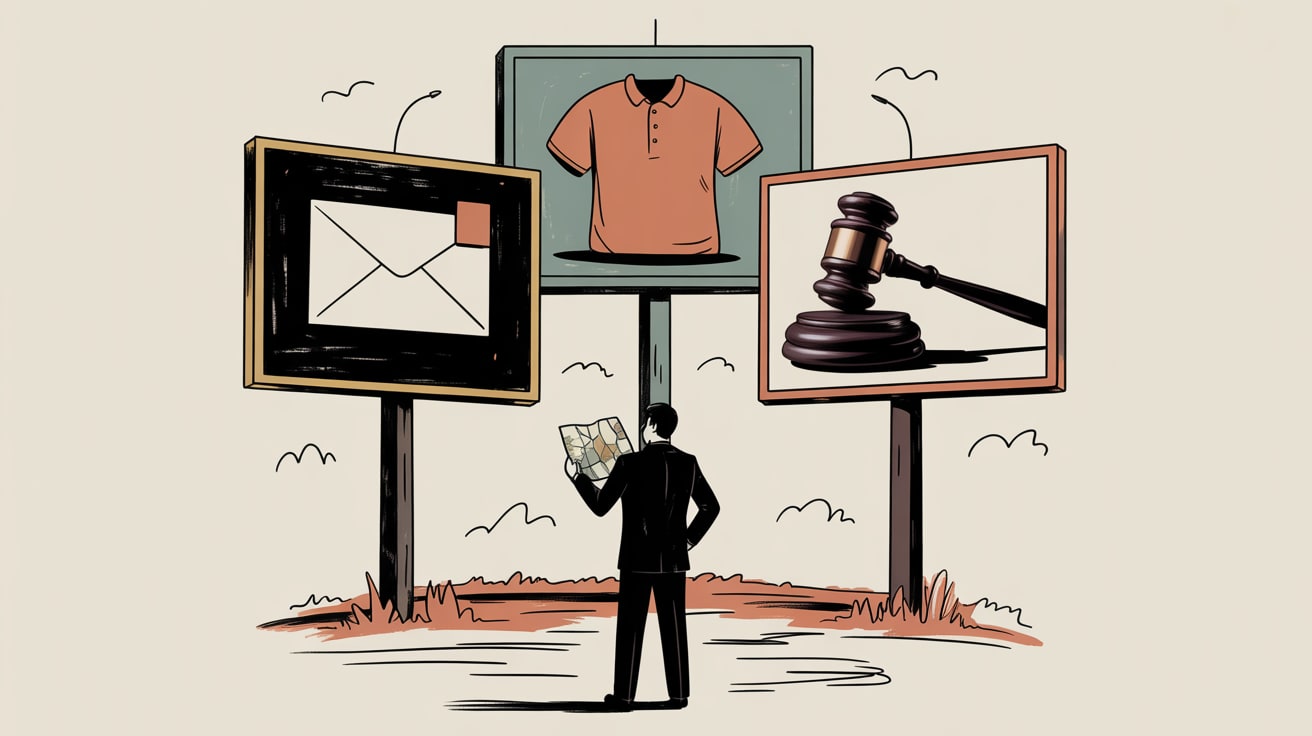
Three stories dropped this week that, read separately, look like routine industry noise. Read together, they sketch a coherent picture of where digital marketing authority is shifting — and who’s losing it.
Animated Emails: The ROI Case Is Real, but So Is the Misuse
Martech Zone’s Douglas Karr makes a point that any email marketer in Southeast Asia should bookmark: animated GIFs in email aren’t a trend, they’re a tested conversion tool — provided they’re deployed with discipline. The average professional now receives over 150 emails daily, which means attention is not just scarce, it’s nearly impossible to purchase with static creative alone.
The strategic case for animation rests on three mechanics: motion triggers peripheral vision, sequential frames can demonstrate product benefits without linking out, and subtle looping signals content richness before a single word is read. Shopee’s promotional emails in the region have long used countdown timers rendered as animated GIFs — a format that simultaneously creates urgency and survives across most email clients, including Gmail’s image-blocking defaults.
The failure mode worth naming: oversized files that delay render on mobile connections, which remain variable across Indonesia and the Philippines. Karr’s guidance is clear — keep GIFs under 1MB, front-load the first frame as the standalone message (for clients that block animation), and test systematically rather than assume animation always lifts open-to-click rates. It doesn’t. Context determines everything.
Football Shirt Sponsorship: When Regulatory Pressure Becomes Strategic Opportunity
The Premier League’s ban on front-of-shirt gambling sponsorships — phased in from the 2026–27 season — is generating exactly the kind of commercial rethinking that resets category norms. Campaign Live frames this as a potential golden age, and the argument holds: with gambling brands forced out of the most visible real estate in European club football, a cohort of endemic and non-endemic brands suddenly have access to audiences they previously couldn’t afford or couldn’t access at scale.
For Southeast Asian brands, this matters more than it appears. Regional fintech players — think GCash in the Philippines or regional BNPL operators — have been building international brand credibility incrementally. A Premier League shirt placement is one of the few marketing assets that translates simultaneously to a domestic audience watching a live broadcast and a diaspora audience consuming highlights on YouTube. The cultural relevance calculus is genuinely different from a banner buy.
The conventional wisdom in sponsorship is that shirt deals are vanity plays. The counter-evidence: when a brand’s target market is young, male, and mobile-first — which describes a significant slice of Southeast Asia’s consumer base — the emotional context of football fandom generates brand recall that digital retargeting cannot replicate at comparable cost. The question is whether regional CMOs are positioned to move fast enough when inventory opens.
Meta’s Ad Removal: A Case Study in Platform Governance Risk
The most strategically significant story of the week received the least commentary. Meta has removed ads placed by law firms seeking to recruit plaintiffs to sue Meta’s own platforms. The stated rationale — that lawyers shouldn’t “profit from its platforms while claiming they are harmful” — is legally defensible and commercially self-interested in equal measure.
Set aside the legal ethics debate. The operational signal for any brand running campaigns on Meta properties is unambiguous: the platform retains unilateral discretion over ad categories, at scale, with minimal notice. This is not new behaviour — Meta has removed political ads, financial product categories, and health-adjacent claims before. What’s new is the explicit framing around platform self-interest as a policy rationale.
For growth teams in Southeast Asia managing significant Meta spend, the risk register should include a scenario where an entire vertical loses access — not because of regulatory mandate, but because Meta decides the category conflicts with its litigation or reputational position. Insurance brands, legal services, certain health categories, and any brand adjacent to a Meta regulatory dispute are candidates. The mitigation is not complex: diversified channel architecture with TikTok, LINE, and programmatic as genuine alternatives rather than secondary afterthoughts. What’s complex is convincing finance to fund the infrastructure before the crisis, not after it.
The brands that built Shopee and Lazada native capabilities before Meta’s iOS 14 attribution changes hit in 2021 absorbed the disruption far better than those scrambling to rebuild measurement frameworks mid-campaign. Platform dependency isn’t a risk to manage in theory — it’s a cost to pay eventually.
What This Week’s Signals Add Up To
- Test animated GIFs in email with mobile-first file constraints — keep under 1MB, design the first frame as a standalone message, and measure click-to-open rate by segment before scaling.
- Map Premier League shirt sponsorship availability to your 2027 brand calendar now — inventory will be contested quickly once gambling brands vacate, and regional brands with the right audience profile have a genuine window.
- Audit your Meta spend concentration today — if a single platform accounts for more than 40% of your paid media budget, you’re carrying platform risk that one policy change can crystallise overnight.
The through-line across all three stories is the same: marketing leverage increasingly belongs to whoever controls the distribution layer. Email is the one channel you own outright. Sponsorship is a physical asset with cultural permanence. Meta is neither — and it’s telling you so.
The question worth sitting with: when was the last time your growth strategy was stress-tested against the assumption that your primary platform simply… removed your category?
At grzzly, we work with marketing teams across Southeast Asia to build channel architectures that don’t collapse when platforms shift the rules — and to move fast when genuine brand opportunities open up, like the sponsorship window that’s forming right now. If any of these signals landed somewhere useful, we’d enjoy continuing the conversation. Let’s talk

Sources

Written by
Plot GrizzlyDocumenting the campaigns, systems, and decisions that actually moved the needle — with the intellectual honesty to include what failed and why. Narrative rigour as a professional standard.