Three converging signals show how consumer trust is being rewired in 2026 — and what Southeast Asian marketers should do about it now.
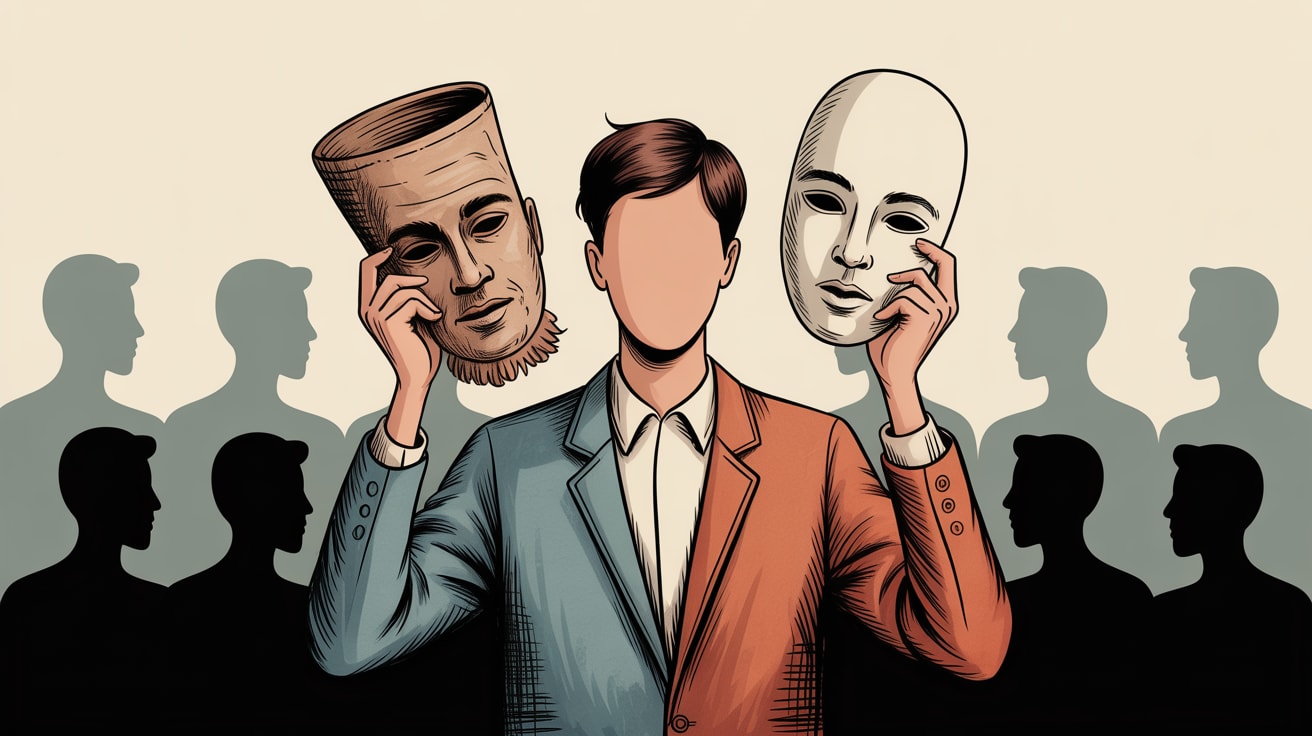
Roughly 6.8 million people were recently shown a real Monet painting and told it was AI-generated. A significant portion believed it — and reacted accordingly, with skepticism and mild contempt.
That single experiment, documented by HubSpot’s Phill Agnew, tells you more about the current marketing moment than most quarterly trend reports. Trust is no longer attached to quality. It’s attached to perceived origin. And that distinction is quietly reshaping every channel decision a brand makes in 2026.
The Monet Problem Is Already Your Problem
When HubSpot exposed 6.8 million users to an authentic Monet and framed it as AI output, the audience’s emotional response shifted — not because the art changed, but because the attributed source did. This is the trust paradox brands are now navigating: the content itself is secondary to the story of how it was made.
For Southeast Asian markets, where platform-native content moves at aggressive speed — think Shopee Live sessions, TikTok Shop drops, and LINE broadcast campaigns — the pressure to produce volume using AI tools is real and rational. But brands that flood these channels with AI-generated creative without disclosure are quietly accruing a trust deficit they won’t feel until a competitor exploits it. The smarter play is getting ahead of the disclosure conversation rather than waiting for audiences to reverse-engineer it themselves.
Why YouTube Influencers Are Winning the Authenticity Arbitrage
Sprout Social’s 2026 Content Strategy Report surfaces a pattern that practitioners in the region will recognise: consumers are actively migrating their trust toward long-form creator content, specifically on YouTube. This isn’t nostalgia for long-form — it’s a flight to perceived authenticity at a moment when short-form feeds feel increasingly synthetic.
YouTube influencer partnerships are structurally harder to fake. A 12-minute review with natural hesitation, genuine product interaction, and unscripted tangents reads as human in a way that a 15-second AI-assisted clip simply cannot. Brands like Samsung and L’Oréal have leaned into this by building multi-video creator series rather than one-off integrations — giving creators room to develop a genuine relationship with the product over time, which audiences can detect and respond to.
For Southeast Asian brands, the calculus is particularly sharp. YouTube penetration across Indonesia, Thailand, and the Philippines remains exceptionally high, and regional creators in categories like beauty, tech, and lifestyle command audiences that dwarf many traditional media buys. A mid-tier Filipino tech creator with 400,000 engaged subscribers often delivers better purchase intent signals than a six-figure programmatic spend.
Automation Isn’t the Threat — Misapplied Automation Is
Social Media Examiner’s coverage of Claude Cowork — Anthropic’s agentic AI platform designed for multi-step workflow automation — points to the other side of this trust equation. The brands getting AI right in 2026 aren’t the ones generating the most AI content. They’re the ones using AI to handle the operational substrate so that humans can show up more authentically where it counts.
Claude Cowork’s architecture allows teams to deploy AI agents across connected tools — CRM, social scheduling, analytics platforms — without requiring engineering resources. The practical application for a regional marketing team: automate the reporting, the briefing synthesis, the performance tagging. Free up the strategist to spend more time on the creative judgment calls that audiences are now actively trying to detect as human.
The failure mode to avoid is using automation to scale output without scaling intentionality. Brands that automate their way to higher posting frequency but lower creative distinctiveness are, in effect, training their audiences to disengage. In markets like Singapore and Malaysia where digital sophistication is high, that erosion happens faster than most brand dashboards will show.
Reading the Signal Before It Becomes the Consensus
The Monet experiment, the YouTube influencer data, and the rise of agentic AI tools are three separate stories that share a single underlying logic: the channel and the claimed origin of content now carry as much weight as the content itself.
Brands that map their content to the trust expectations of each channel — human-led, long-form creator partnerships for credibility-heavy categories; automated operational workflows running quietly in the background; and honest disclosure frameworks for AI-assisted creative — will find themselves ahead when this becomes the consensus conversation in 2027. Right now, most of the market is still treating these as isolated tactical decisions.
The question worth sitting with: if your audience could see exactly which parts of your marketing were made by humans and which by machines, would that transparency help you or hurt you — and are you building toward the answer you want?
At grzzly, we work with marketing teams across Southeast Asia to build digital strategies that are positioned ahead of where the market is heading — not just where it is today. If you’re thinking through how AI, creator partnerships, and trust dynamics intersect for your brand in this region, we’d enjoy that conversation. Let’s talk
Sources

Written by
Mystic GrizzlyReading the early signals — in consumer behaviour, platform mechanics, and competitive positioning — before they become the consensus. Writing for practitioners who want to act ahead of the curve.