Google's spam update, Claude Code for SEO, and a landmark antitrust ruling are reshaping search strategy. Here's what Southeast Asian teams need to act on now.
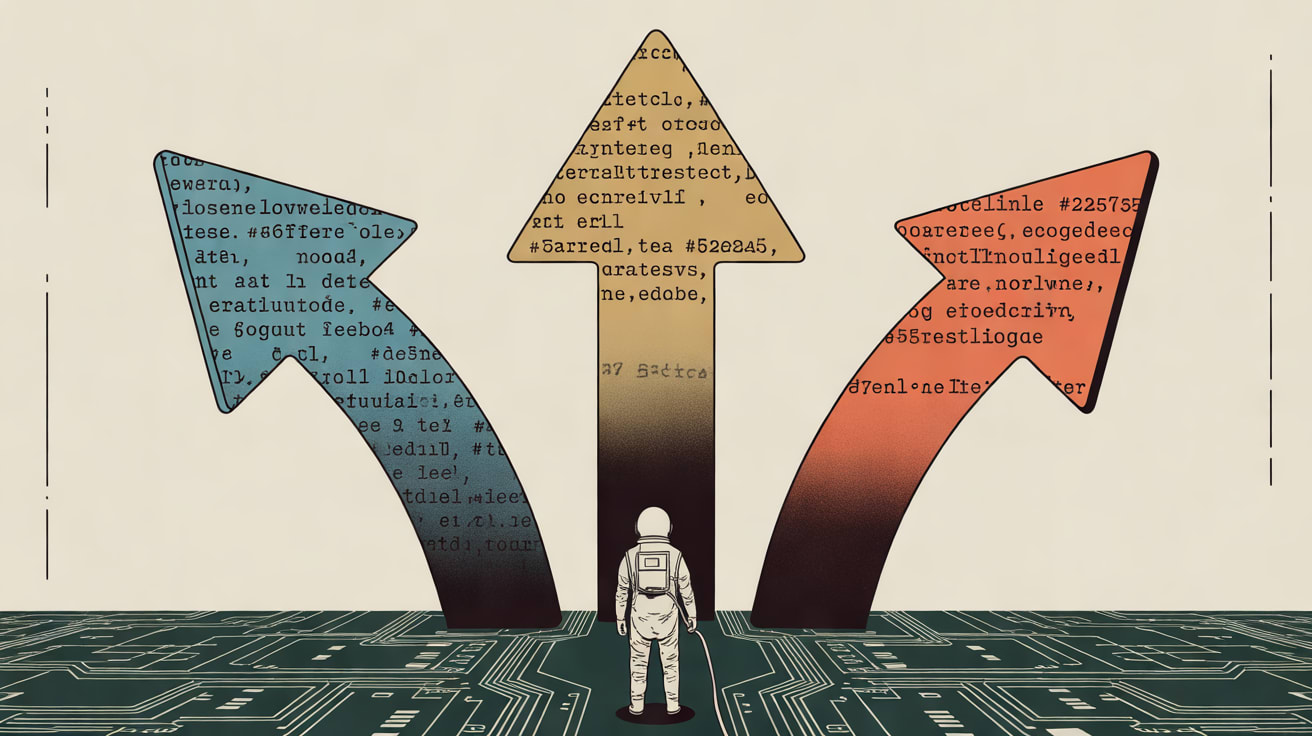
Three things happened in the last week of September 2026 that, taken separately, look like routine search news. Taken together, they describe the new operating environment every SEO team in Southeast Asia is now navigating — whether they know it yet or not.
Google’s Spam Update Is a Diagnostic Nightmare by Design
Google’s September 2026 spam update is mid-rollout, with SEMrush reporting it could take up to two weeks to fully propagate. That timeline is not a courtesy — it’s a trap. A traffic drop on day three tells you almost nothing about whether you triggered a spam signal, caught collateral damage from a competitor’s penalty, or simply hit normal volatility. Teams that panic-revert content changes during an active rollout often compound their problems.
The smarter posture: freeze major site changes for the full two-week window, document your baseline rankings before the rollout date, and segment your Search Console data by content type. If your drops are concentrated in programmatically generated pages or thin category content, that’s a signal worth acting on — after the dust settles. For regional brands running Shopee or Lazada-integrated product feeds that auto-populate landing pages, this is especially relevant: Google’s spam classifiers have grown considerably sharper at distinguishing dynamic content that serves users from dynamic content that serves crawlers.
Claude Code Is Quietly Restructuring the SEO Workflow
Ahrefs published a detailed breakdown of 35 practical applications for Claude Code in SEO workflows — and the list is less about novelty than it is about compressing the time between insight and execution. The standout use cases cluster around three zones: bulk content analysis (processing large Search Console exports to surface cannibalization patterns), technical diagnostics (writing custom scripts to audit internal link equity distribution), and content brief generation at scale.
What this actually means for in-house teams: the bottleneck is shifting from data collection to prompt quality. A growth lead who can write a precise, context-rich prompt will outperform one who simply knows which metrics to pull. The practical implication — especially for Southeast Asian teams managing multilingual sites across Thai, Bahasa, Vietnamese, and English — is that Claude Code can accelerate hreflang audits and cross-language canonical checks that previously required specialist contractor time. The caveat is discipline: AI-assisted content briefs still require editorial oversight, because the same automation that speeds production can, if left unchecked, produce exactly the kind of thin, repetitive output that Google’s spam classifiers are built to suppress.
The Antitrust Ruling Publishers Should Read Carefully
Search Engine Journal’s Roger Montti covered a federal court ruling that acknowledged real, measurable harm to publishers from Google’s market behaviour — and then dismissed the antitrust claims anyway. The legal reasoning is less interesting than the strategic signal it sends: the courts are not going to restructure search distribution. Publishers who were waiting for regulatory relief need to stop waiting.
What this means in practice is a portfolio approach to search visibility. Google remains the dominant surface, but zero-click results, AI Overviews, and generative search experiences are absorbing query intent that used to translate into referral traffic. For brands in Southeast Asia, this accelerates the case for AEO and GEO alongside traditional SEO — optimising for answer extraction by AI systems, not just ranking position. Brands that structure their content with clear entity definitions, authoritative sourcing, and concise answer blocks are better positioned to be cited by AI-generated responses, regardless of whether Google or a third-party model is doing the citing. The ruling confirms that market structure won’t change. So the only adaptation is tactical.
Stitching the Three Signals Into a Coherent Strategy
Here’s the uncomfortable synthesis: the same week Google rolled out a spam update penalising low-quality automation, the SEO community’s most-read trade publication ran a 35-case-study argument for automating SEO with AI. These aren’t contradictory — but they require precision to reconcile.
The through-line is quality signal density. Google’s spam systems are not anti-automation; they’re anti-thin. Claude Code used to generate schema markup, audit redirect chains, or model internal link equity doesn’t produce content at all — it produces infrastructure. That’s safe, and probably underused by most teams. Claude Code used to churn out 400-word FAQ pages at scale without editorial judgment is exactly what the September update is designed to catch. Meanwhile, the antitrust dismissal reinforces that structural dependence on a single search surface is a strategic liability — particularly for publishers and content-heavy brands who saw referral traffic erode through 2025 without a legal remedy in sight. The teams that come out of this period strongest will be the ones building content depth that earns citation in AI-generated answers, technical infrastructure that scales without sacrificing signal quality, and distribution models that don’t assume Google referral traffic is a right.
Key takeaways for Southeast Asian digital teams:
- Hold major site changes until Google’s September spam rollout completes — two weeks of patience beats a misdiagnosed panic revert
- Deploy Claude Code for SEO infrastructure tasks (audits, scripts, bulk analysis) before using it for content production; the risk profiles are completely different
- Treat AEO and GEO as parallel investment tracks to traditional SEO — the antitrust ruling confirms that platform dependency is a structural risk, not a temporary inconvenience
The deeper question isn’t which of these three signals to prioritise. It’s whether your team’s SEO capability is organised around the search engine of 2021 or the answer ecosystem of 2026 — because the gap between those two operating models is widening faster than most quarterly roadmaps account for.
At grzzly, we work with growth teams across Southeast Asia to navigate exactly this kind of inflection point — building search strategies that hold up across algorithm updates, AI-generated results, and shifting platform dynamics. If your team is trying to figure out where to place its bets in this environment, Let’s talk.
Sources

Written by
Cosmic GrizzlyMapping the evolving cosmos of search — from traditional SERP dominance to answer engine optimisation and AI-cited authority. Obsessed with how machines decide what the world deserves to read.