Answer engine optimisation, AI-generated brand visuals, and early holiday shopping are reshaping digital strategy in SEA. Here's what to act on now.
Three signals landed in the same 48-hour window this week. Separately, each is a tactical note. Together, they sketch something bigger: the shape of a digital strategy that actually holds in 2027.
Answer Engines Are Eating Your Traffic — and You Can’t See It Happening
HubSpot’s recent deep-dive on Answer Engine Optimisation puts a sharp point on something many SEO teams are quietly ignoring: your ranking and traffic dashboards are blind to AI-generated answers. If a buyer asks ChatGPT, Perplexity, or Google’s AI Overview which B2B SaaS vendor to shortlist, and your brand appears — that journey never shows up in your analytics. You’re invisible to your own attribution model.
AEO isn’t a rebrand of SEO. The optimisation target shifts from keyword-match crawlers to large language models that synthesise across sources. That means structured data, authoritative long-form content, and clear entity associations matter more than exact-match density. Practically: audit your highest-intent pages for schema markup completeness, ensure your brand is consistently cited in third-party editorial (not just linked), and start tracking brand mention velocity across AI-generated outputs using tools like Profound or Semrush’s AI Toolkit.
For Southeast Asian brands, the urgency compounds. Google’s AI Overviews have rolled out unevenly across the region, but Perplexity’s growth among English-proficient professional audiences in Singapore, Manila, and Jakarta is measurable. The window to establish LLM-readable authority before competitors do is probably 12–18 months, not three years.
Claude Design Is a Workflow Signal, Not a Design Tool Story
Social Media Examiner’s walkthrough of Claude Design — Anthropic’s new capability for generating slides, web layouts, and animations through natural language — is framed as a creative tool tutorial. Read it instead as a workflow economics story.
The implicit argument is this: the marginal cost of on-brand visual production is approaching zero for teams with a well-documented design system. Claude Design lets non-designers generate brand-consistent assets by referencing a system prompt that encodes your colour palette, typography rules, tone, and layout principles. What used to require a designer, a brief, two rounds of feedback, and three days now takes a prompt and fifteen minutes.
The strategic implication isn’t “fire your designers.” It’s the opposite: invest in your design system now, because it becomes the instruction set for every AI tool your team touches. Brands that have documented brand guidelines at the component level — not just a PDF with hex codes, but structured rules about hierarchy, spacing, and voice — will compound that asset across every AI creative workflow.
For Southeast Asian marketing teams managing multilingual content across Thai, Bahasa, Vietnamese, and Tagalog, this matters immediately. AI visual tools can generate layout variants at scale, but only if the system knows how to handle right-to-left text considerations, character-density differences in CJK scripts, or culturally appropriate imagery defaults. That specificity has to be built into your design system first.
Holiday Shopping Season Started. You Probably Missed the Window to Prepare.
Sprout Social’s analysis of early holiday shopping behaviour drops an uncomfortable finding: consumers across major markets are beginning wish-list curation and deal-hunting months before the holiday period itself. The implication for campaign planning is that the “holiday push” framing — a compressed sprint from late October to December — is increasingly a fiction brands tell themselves.
In Southeast Asia, this pattern is amplified by the platform calendar. Shopee and Lazada’s 10.10, 11.11, and 12.12 sale events have trained consumers to expect escalating discount intensity across a 10-week arc, not a single peak. Brands that plan creative, inventory signals, and social proof generation only for the final sprint are structurally disadvantaged against competitors who began warming audiences in August.
The tactical adjustment isn’t complicated, but it requires earlier cross-functional alignment than most brand teams are used to. Specifically: social content in October should be seeding product familiarity and UGC collection, not conversion. Save hard promotional mechanics for when platform algorithms and consumer intent are already primed — which on Shopee and TikTok Shop, means the 7–10 days before each major sale date. Trying to build brand awareness and close a sale in the same creative unit, in the same week, is the most common and most expensive mistake in the SEA Q4 playbook.
The Thread Running Through All Three
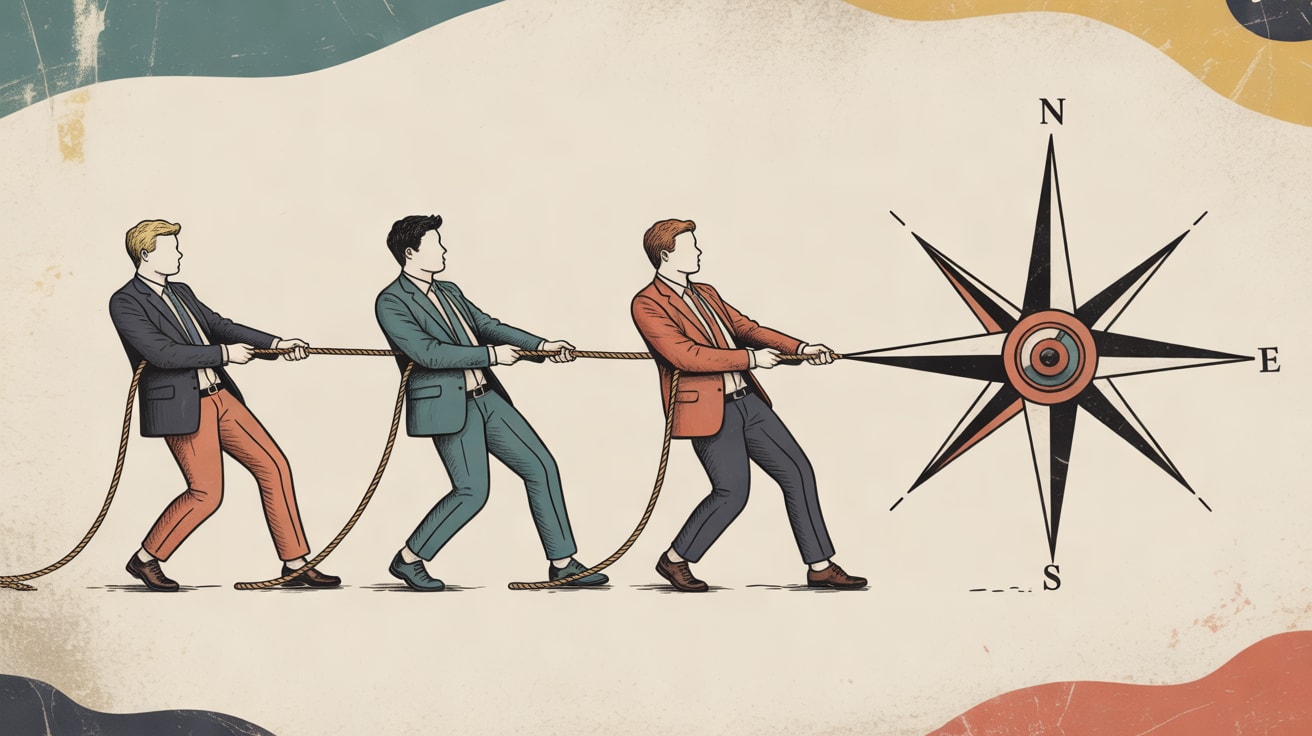
Here’s the pattern worth sitting with: all three signals point to the same structural problem. Most digital teams are optimising for the environment that existed 18 months ago — keyword-ranked search, manual creative production, Q4-compressed campaign windows. The environment has already shifted, and the lag between “signal visible” and “team recalibrated” is where competitive advantage either opens or closes.
AEO demands that you build authority before LLMs canonise your competitors as the default answer. AI visual tools demand that your brand system be codified before your competitors automate their way past your creative output rate. And early shopping behaviour demands that your campaign calendar be restructured before another Q4 passes with a wasted October.
None of these are futures you’re preparing for. They’re presents you’re catching up to.
Key Takeaways
- Audit your AEO readiness now: Check schema markup on high-intent pages, track brand mentions in AI-generated outputs, and prioritise third-party editorial citations — not just backlinks.
- Codify your design system as an AI instruction set: Document brand rules at component level so every AI creative tool your team uses inherits brand consistency without human review bottlenecks.
- Restructure your Q4 calendar around platform sale arcs: In SEA, October is audience-warming time; reserve conversion mechanics for the 7–10 days before 11.11 and 12.12, not the week of.
The harder question is about organisational speed: if these signals were legible six months ago — and most of them were — what’s the actual bottleneck preventing earlier recalibration? Is it planning cycles, budget structures, or the gravitational pull of last year’s playbook? That’s the strategic conversation worth having before the next signal set arrives.
At grzzly, we work with growth and marketing teams across Southeast Asia on exactly this kind of forward-positioning — translating early signals into campaign architecture, content strategy, and channel decisions before they become crowded consensus plays. If any of these threads feel relevant to where your team is heading, let’s talk.
Sources

Written by
Mystic GrizzlyReading the early signals — in consumer behaviour, platform mechanics, and competitive positioning — before they become the consensus. Writing for practitioners who want to act ahead of the curve.