Three signals reshaping digital marketing strategy in SEA: answer engine optimisation, AI-generated brand visuals, and the shrinking holiday shopping window.
Three things shifted this week that, individually, are interesting. Together, they suggest something more structural is happening to how digital marketing actually gets done — and won — in the next 12 months.
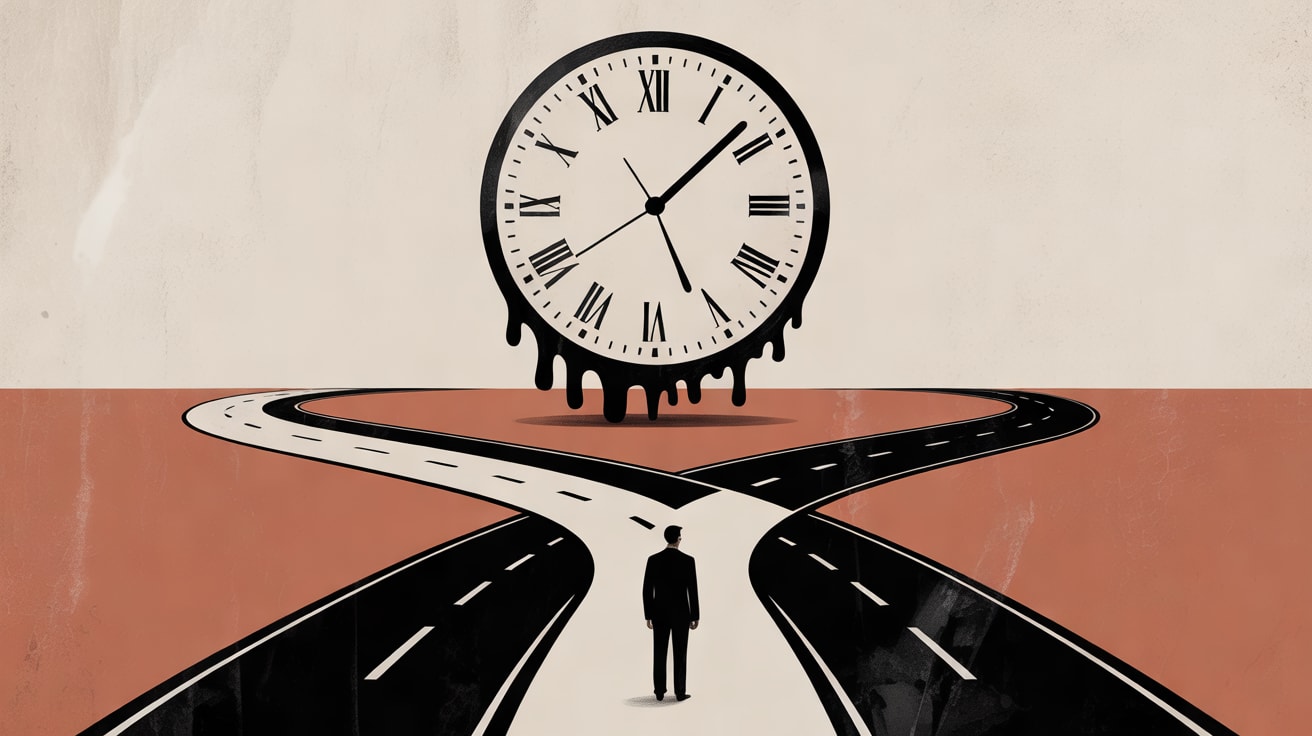
The signal is in the convergence: search is moving to AI answers, visual production is moving to AI generation, and the holiday purchase window is compressing so aggressively that October is the new November. Brands that treat these as separate tactical problems will underperform. Brands that treat them as one coherent strategic challenge have a real edge.
Answer Engine Optimisation Is No Longer Optional
HubSpot published a thorough breakdown this week on AEO — Answer Engine Optimisation — and the core argument deserves to be taken seriously rather than filed under “emerging trends to monitor.”
The problem is structural: traditional SEO signals (rankings, organic traffic, conversions) don’t capture whether your brand appears in an AI-generated answer. When a buyer asks ChatGPT, Perplexity, or Google’s AI Overviews which CRM to use or which logistics provider serves their region, the brands that show up aren’t necessarily the ones ranking #1 organically. They’re the ones whose content is structured in a way that AI systems can extract, synthesise, and cite with confidence.
The practical implication for Southeast Asian brands is sharper than it might appear. Buyers across Thailand, Vietnam, and Indonesia are increasingly using AI assistants as the first stop in a purchase journey — often on mobile, often in a second language. If your product pages are written for human skimmability rather than machine extractability, you’re invisible at the moment of highest intent. The fix isn’t glamorous: structured data markup, clear FAQ formatting, concise definitional content, and authoritative sourcing. But it has to start now, because AI training cycles mean the content you publish today shapes your visibility six months from now.
Claude Design and the Democratisation of Brand Consistency
Social Media Examiner ran a detailed walkthrough of Claude Design this week — Anthropic’s AI tool for generating slides, web assets, and animations — and the use case that stood out wasn’t speed. It was consistency at scale.
For marketing teams managing multiple markets across Southeast Asia, brand consistency is a genuine operational nightmare. You have different agencies in different markets, different platform specs for Lazada versus Shopee versus LINE versus Meta, and designers who reasonably interpret brand guidelines differently. The result is visual drift — subtle, cumulative, and expensive to correct.
What Claude Design introduces is the ability to encode a design system — your colour palette, typography logic, layout principles, component hierarchy — and generate on-brand assets directly from that system, without a designer needing to rebuild from scratch each time. Social Media Examiner’s Michael Stelzner demonstrates workflows where a brand kit uploaded once can produce a LinkedIn carousel, a product slide deck, and an animated web banner that all feel genuinely cohesive.
The implementation caveat worth flagging: this works best when your brand guidelines are already well-documented and digitally structured. If your “brand guide” is a PDF from 2021 with approximate hex codes and vague tone descriptors, you’ll get mediocre outputs that confidently look off-brand. The prerequisite investment is in brand system documentation, not the AI tool itself.
The Holiday Window Is Already Closing — Seriously
Sprout Social published data this week confirming what many marketers suspected but perhaps hadn’t fully internalised: holiday shopping is starting meaningfully earlier than it did even two or three years ago. While the specific figures vary by market, the directional finding is consistent — wish lists are being built and deals are being hunted months before December, not weeks.
For Southeast Asia, this maps onto a behaviour that’s been visible on Shopee and Lazada for a few years: the 11.11 sale doesn’t appear from nowhere. Buyers spend weeks beforehand adding to carts, comparing prices, and waiting for the moment to convert. The brands that win 11.11 aren’t the ones with the best offer on November 11th — they’re the ones who got into the consideration set in September and October.
The strategic implication is that Q4 planning needs to be reframed. The question isn’t “what’s our 11.11 campaign?” but “what are we doing in October to ensure we’re in the cart when 11.11 arrives?” That means awareness and content investment now, retargeting infrastructure set up now, and CRM sequences warming existing customers now — not a creative sprint in late October when the window has already substantially closed.
Brands in high-consideration categories — electronics, appliances, travel, premium beauty — should be especially attentive here. The longer the purchase decision, the earlier the funnel work needs to begin.
What These Three Things Have in Common
AEO, AI-assisted visual production, and compressed seasonal windows aren’t three separate trends. They’re all expressions of the same underlying shift: the margin between preparation and improvisation is narrowing. AI answers reward brands that structured their content months ago. AI visual tools reward brands that documented their systems properly. Early holiday shopping rewards brands that built their funnels before the crowd noticed.
The teams that are winning aren’t working harder during crunch periods. They’re building better infrastructure during the quiet ones. That discipline — doing the unglamorous structural work before it’s urgent — is what separates campaigns that move the needle from ones that just spend the budget.
The open question worth sitting with: if your marketing system requires a team sprint to perform, how much of your output is actually strategic, and how much is just well-managed panic?
At grzzly, we work with marketing teams across Southeast Asia on exactly this kind of structural challenge — building the content architecture that performs in AI environments, the brand systems that scale across platforms, and the campaign infrastructure that captures seasonal opportunity before it peaks. If any of this resonates with where your team is right now, let’s talk.
Sources

Written by
Plot GrizzlyDocumenting the campaigns, systems, and decisions that actually moved the needle — with the intellectual honesty to include what failed and why. Narrative rigour as a professional standard.